
Goal:
To increase ecosystem resilience by restoring apex predator and prey populations and habitat connectivity in the Osa Peninsula and across a conservation corridor connecting it with the high-elevation Parque Internacional La Amistad in the Talamanca Mountains.
We are not requesting support for this project at present.
(Support is welcome for other projects)
Conservation Value:
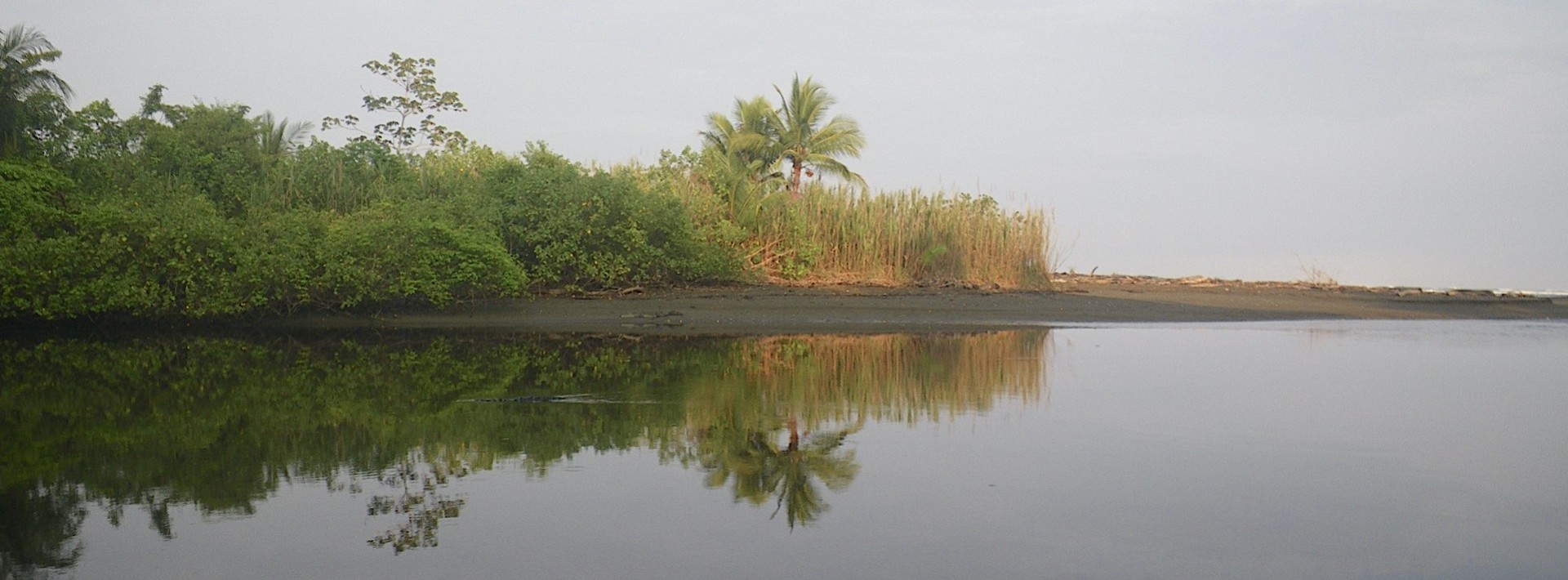
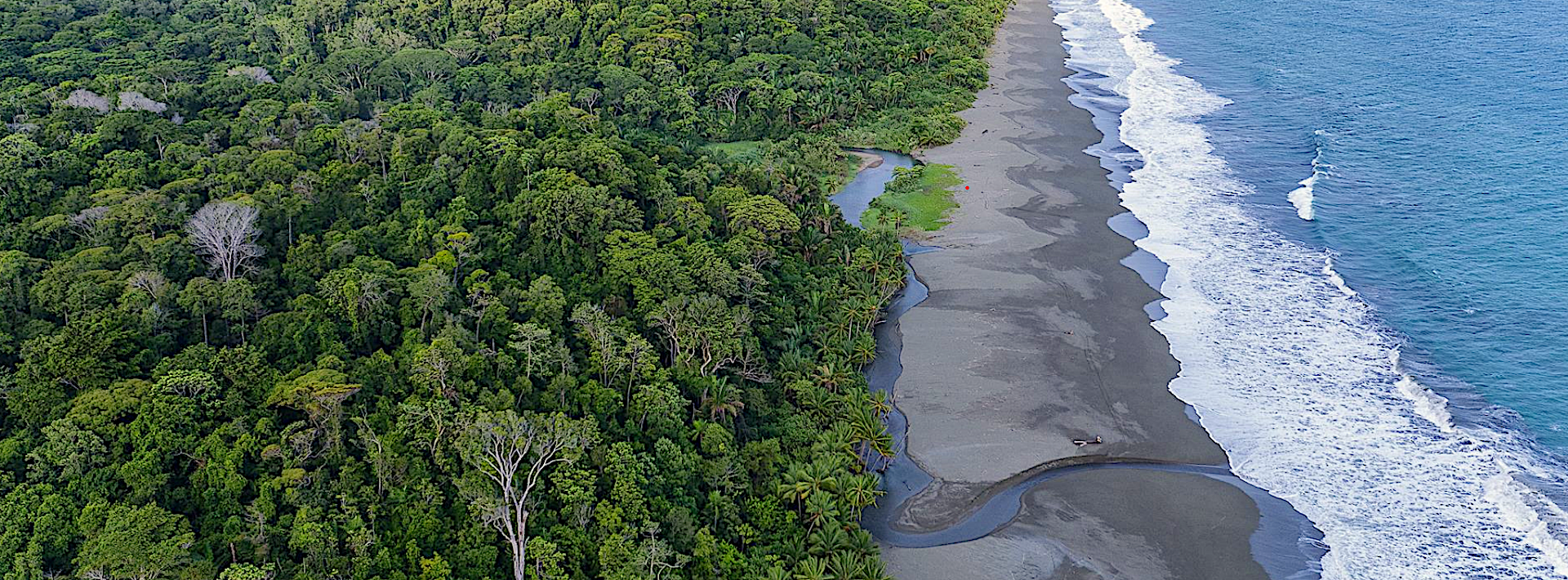
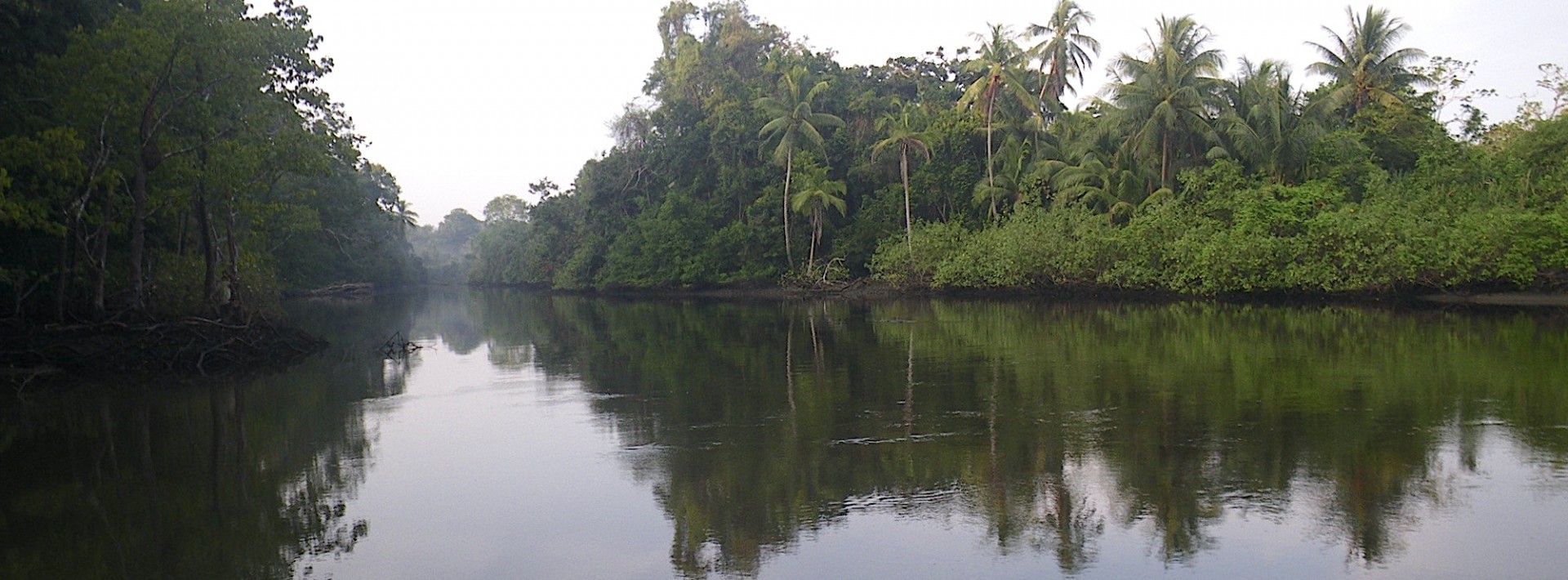
The Osa Peninsula contains the largest mesic rainforest remaining on the Pacific slope of Central America, largely within Corcovado National Park. It has the largest expanse of mangrove wetlands on the Pacific slope of Central America and a unique coastal marine ecosystem—the Golfo Dulce tropical fjord. The Osa is estimated to house 2.5% of the world’s biodiversity while covering less than 0.001% of its total surface area, and was described by National Geographic in 2016 as “the most biological intense place on earth”.
Threats:
The main threat in the Osa Peninsula is illegal hunting, which is still prevalent in the region. The concern is greatest with respect to the lowland paca (Cuniculus paca), white-lipped peccary (Tayassu pecari) and collared peccary (Pecari tajacu). Other species are hunted to a lesser degree, including game birds such as: tinamou (Tinamus major and Tinamus major castaneiceps) and great curassow (Crax rubra). Research has identified key areas of hunting pressure, however no concerted effort had been been made to reduce illegal hunting on the peninsula. A presentation at the 21st Mesoamerican Congress in San Jose in 2017 revealed that bushmeat offtake could be around 28.5 kg per year for each family hunting in the peninsula.
Actions & Results:
Osa Conservation (OC) is leading a conservation effort that mobilizes citizen scientists, community members, ecotourism operators, park administrators and multiple NGOs to preserve the globally significant biodiversity of the Osa Peninsula in the face of climate change.
In recent years this expanded into a Ridge to Reef initiative in order to restore ecological connectivity and climate resilience across an altitudinal gradient from the southern Pacific tropical lowlands of the Osa Peninsula through agricultural land to the high-elevation Parque Internacional La Amistad in the Talamanca Mountains.
In 2025, 294,971 trees were planted (166,971 terrestrial and 128,000 mangrove). This was Osa Conservation’s biggest planting season to date. The cumulative total since 2022 is 839,414 trees planted.
OC’s Restoration Network had by mid-2025 grown to 372 members, led by small- and mid-sized landowners committed to regenerative practices and biodiversity-friendly production.
To address barriers to wildlife movement, OC has created canopy connectivity with (at last count) 36 arboreal bridges of various designs. The data from the first phase of the project was presented to the local government with a plan for additional arboreal bridges in the AmistOsa region.
OC is instilling civic responsibility for conservation, including biodiversity monitoring and mitigating human wildlife conflicts, in the Osa Peninsula and Piedras Blancas National Park. Workshops and events such as the first International Jaguar Day and an Environmental Festival emphasized the importance of predators and their habitats.
A cornerstone of these efforts is the AmistOsa Biodiversity Survey, which builds local capacity for biodiversity monitoring using citizen science tools like iNaturalist. In 2025, 27 workshops in 5 communities engaged 158 participants, generating 10,529 new biodiversity entries and 593 newly recorded species.
Also in 2025, Osa Conservation delivered training with a practical guide for environmental crime reporting, including a workshop for 44 park rangers. Training included real-time documentation via EarthRanger of trespass and threats like illegal gold-mining and illegal fishing.
Since its formation in 2021, OC’s Youth Nature Club has provided youth with an immersive nature-based learning experience, fostering the next generation of conservation stewards. The club has established twelve chapters across six communities and six educational centers reaching over 500 students annually. OC has built partnerships with elementary, middle, and high schools to enhance natural history education for underprivileged rural youth. A big thank you to the Paul W. O’Leary Foundation for making this possible.
Zero in on one community involved in this project in this short video from the Our Planet series.
See more videos below.
Location:
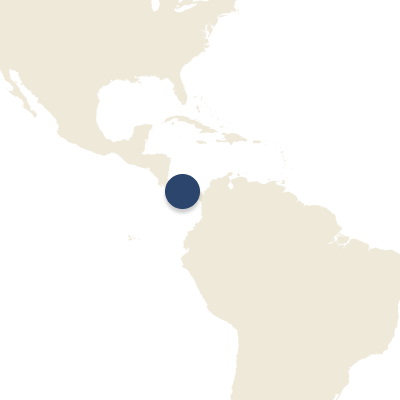
Osa Peninsula, southwest Costa Rica
Size of Area Involved:
109,300 hectares (1,093 km²)
Project Field Partner:
Our Investment to Date:
Cost to Biome, (Ridge to Reef program (2018-2025): CA$1,657,567
Cost, Osa Youth Nature Program (2021-2025): CA$763,772 (thank you to the Paul W. O’Leary Foundation!)
(funds are not needed for 2026)
Gallery

In More Depth...
Videos: Rainforest Heroes of the Osa
Osa SAFER – Rainforest Heroes of the Osa Peninsula: Tomas Ridings Muñoz
Osa SAFER – Rainforest Heroes of the Osa Peninsula: Marvin López Morales
Video: Listen to the Trees
Highlights from 2018 to 2020
• Twelve forest acoustic monitoring devices were deployed in 2018. Three of these are streaming live and you can get the Rainforest Connection App on iOS or Android to listen to the calming noises of the rainforest at Osa Verde Biological Station, Golfo Dulce Forest Reserve, and Corcovado National Park. In addition, 25,000 native forest trees and over 13,600 mangrove trees (of four species) were planted, and 280 bird boxes were also installed in 2018.
• Monitoring and enforcement activities conducted in 2018, in collaboration with local Community Biological Monitoring Groups, the Department of Protection and Control of the Ministry of Environment and Energy of Costa Rica (MINAE), and Special Police Units, resulted in two police operatives around Corcovado National Park that led to the arrests of several people carrying out illegal gold mining and hunting activities in the region.
• Thanks to the expansion of the Osa Camera Trap Network (OCTN), major strides were made in 2019 in deterring illegal human activities and augmenting the ability of government officials and private landowners to respond to illegal incursions. The OCTN monitors 8,650 hectares that border protected areas – land that is owned by OC, eco-lodges and private finca owners.
• OC’s rapid-response rangers (COVIRENAS) completed 1,649 km of patrols in 2019, leading to the arrest of 13 illegal gold miners within Corcovado National Park.
• OC planted over 20,000 mangrove trees and initiated wildlife monitoring in its program to kick-start regeneration in degraded forest patches.
• Over 2,000 participants received tropical rewilding education through a wide variety of experiential activities and workshops, and OC provided citizen science and conservation technology training to four local biological monitoring groups in forest dependent communities. All of this is bringing a noticeable cultural transformation towards conservation in the Osa Peninsula.
• OC launched its Ridge to Reef Program, expanding its camera trap network across the newly designated AmistOsa Biological Corridor in 2020. The plan is to monitor biodiversity and work with local communities to conserve and restore the biological corridor connecting the highland forests of the Talamanca Mountains to the lowland forests on the Osa Peninsula. Phase 1 involved deploying 234 camera traps, 41 acoustic devices and 41 temperature loggers (iButtons) along a 190 km transect (ranging in elevation from sea level to 2,900 m).
• In 2020, the Osa Restoration & Rewilding Community Network planted over 18,000 trees, bringing its total to 350,000 trees planted in the past seven years.
• Although schools were closed due to the pandemic (2020), students and community members took part in outdoor small group activities and over 20,000 students were reached through virtual education events.
• OC’s rapid-response rangers (COVIRENAS) completed 2,020 km of patrols in 2020 and received drone pilot training.