Goal:
To maintain and enhance biodiversity conservation at Mukutan Nature Conservancy

Conservation Value:
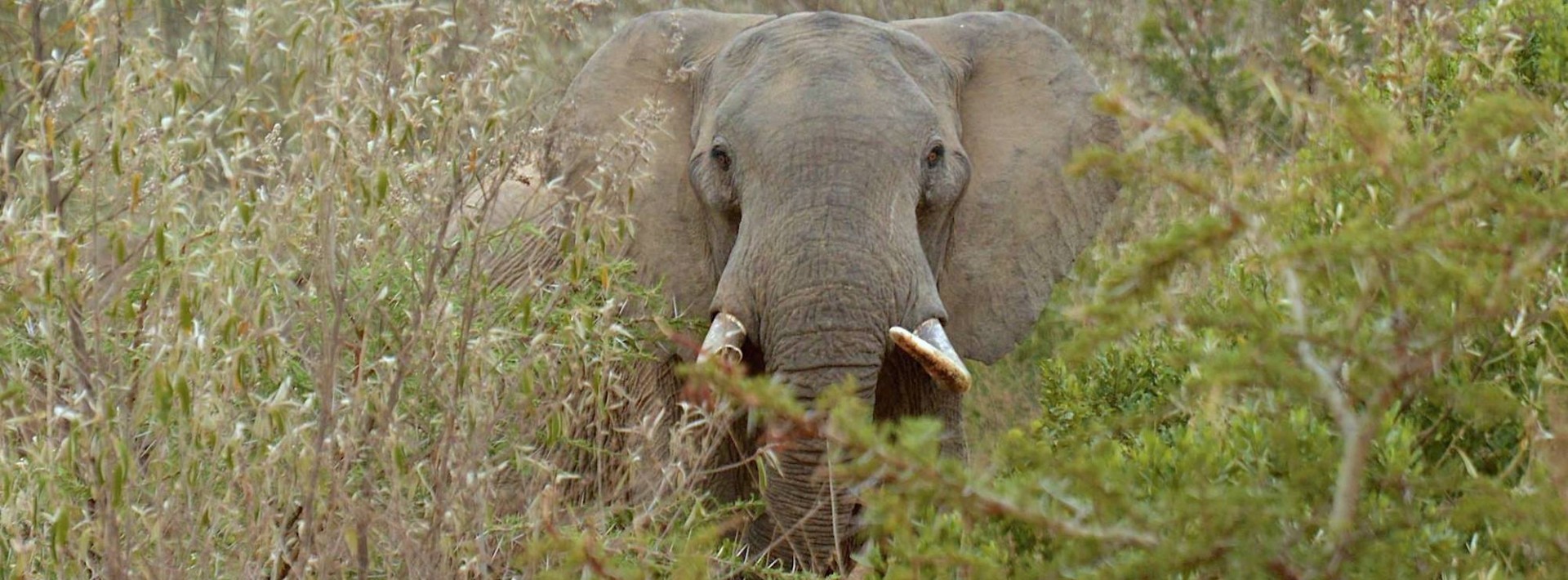
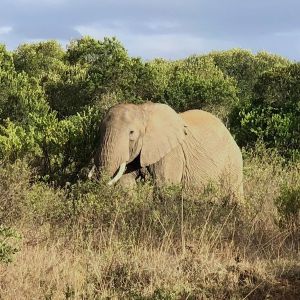
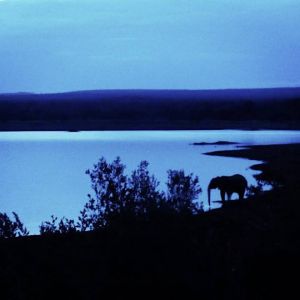
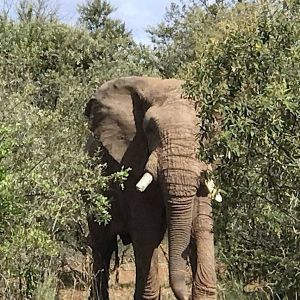
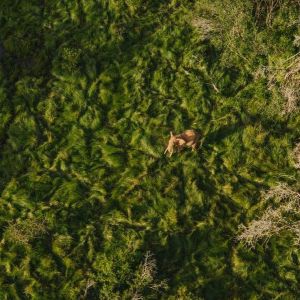
The 365-sq-km Mukutan Conservancy (formerly Laikipia Nature Conservancy; aka Ol Ari Nyiro) on the edge of the Great Rift Valley provides an important sanctuary for wildlife and is a favoured breeding ground for elephants, which migrate from other areas to give birth there.
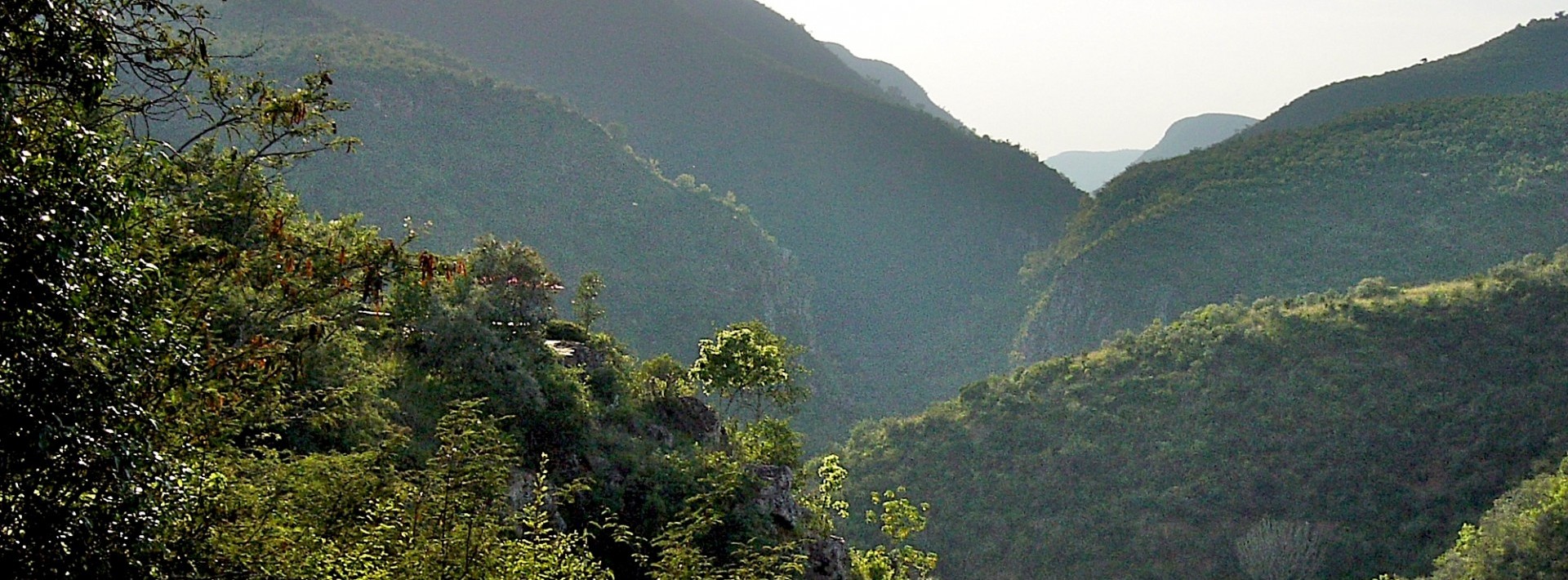
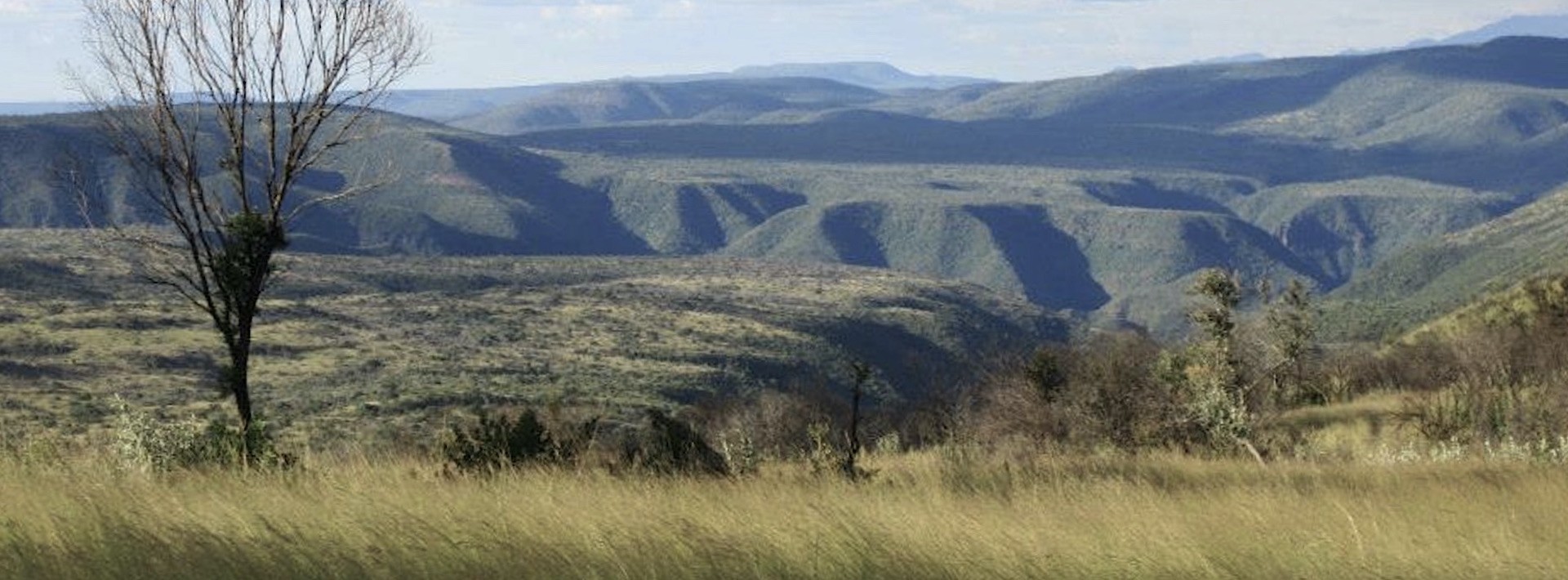
Located on the Eastern wall of the Rift Valley on the Laikipia Plateau, the Conservancy is the most important water catchment area for two major lakes (Bogoria and Baringo). It is part of the Eastern Afromontane Biodiversity Hotspot and harbours an invaluable remnant of the diverse flora and fauna that once covered vast areas of the Laikipia Plateau and the eastern Rift Valley escarpment.
Read more
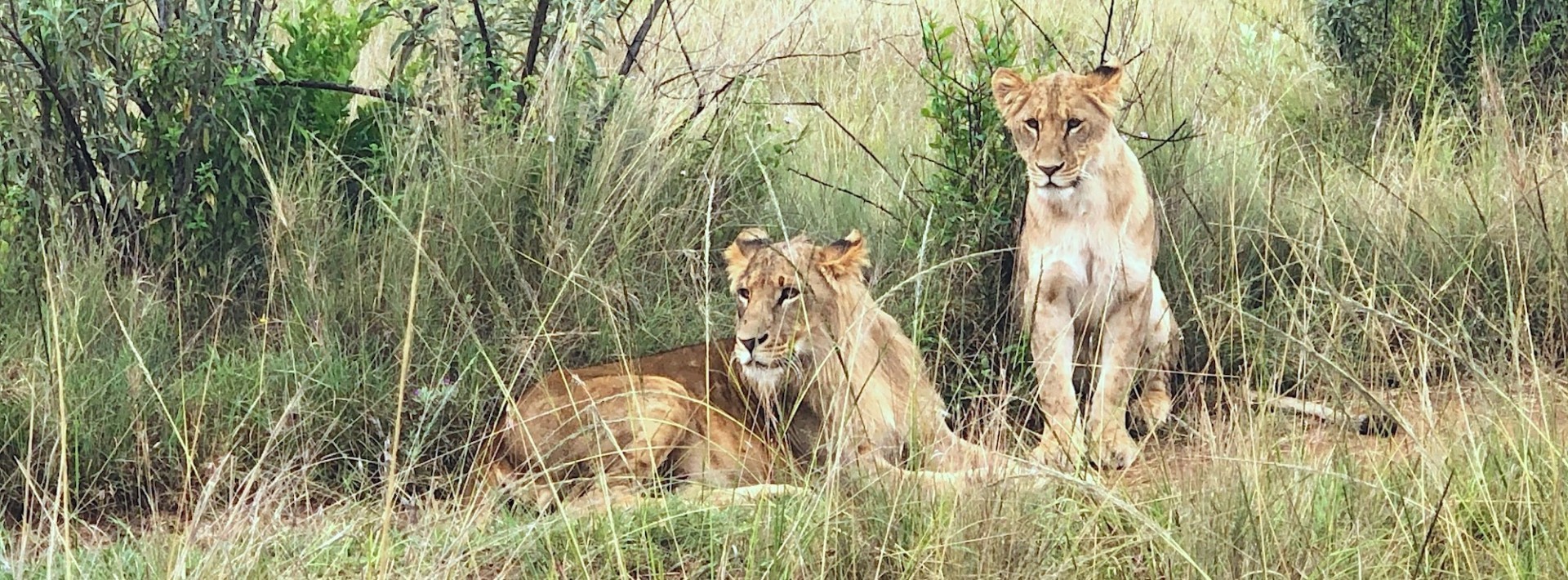
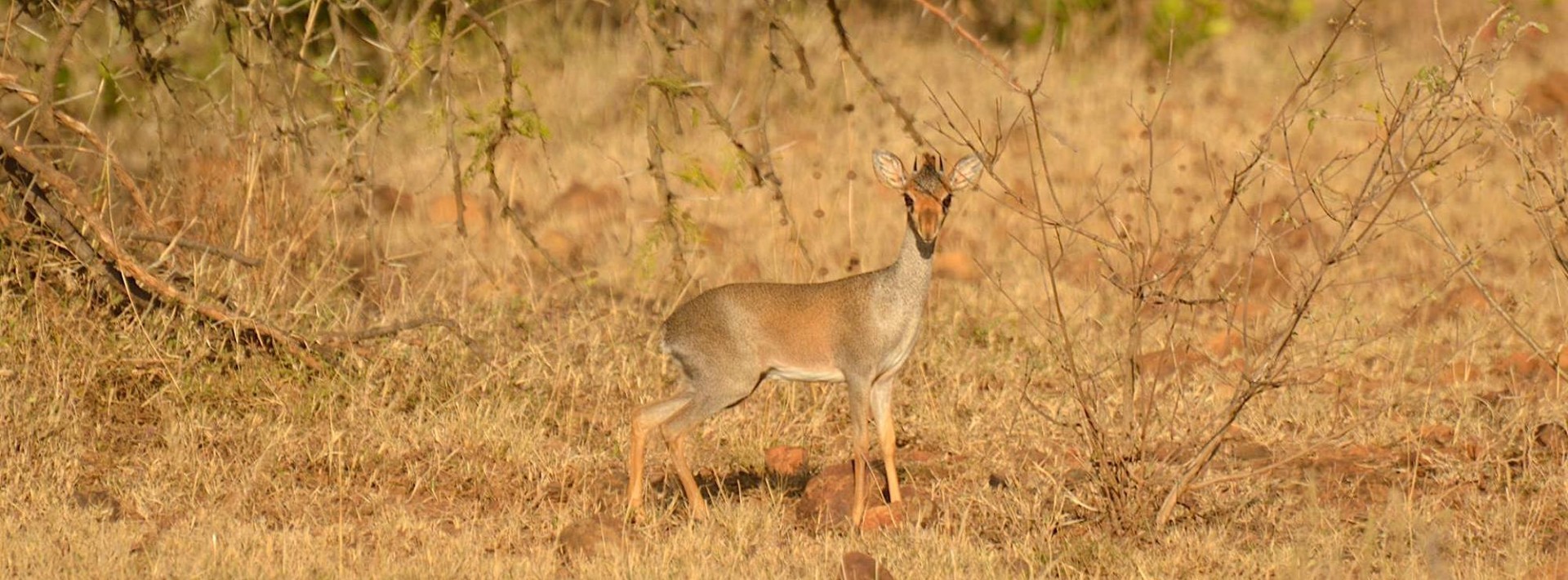
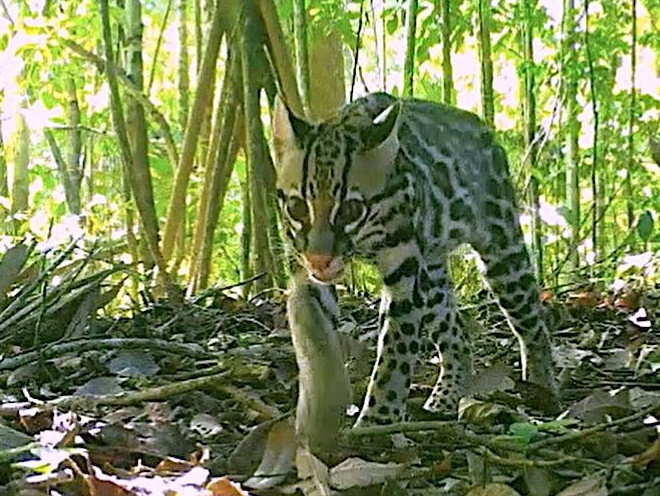
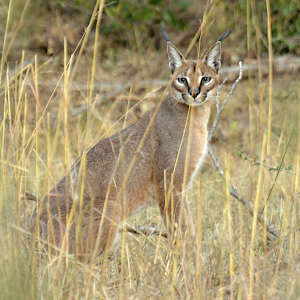
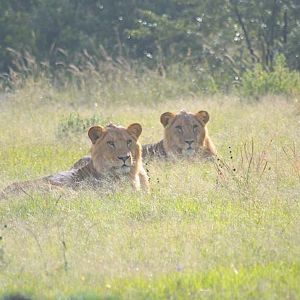
The diverse topography, ranging in elevation from 1260 to 2400 m, supports varied vegetation from dry marginal forests to semi-arid bushland. The reserve is home to the critically endangered wild dog (Lycaon pictus), cheetah, reticulated giraffe, greater kudu, African elephant, a large population of lions, 14 amphibian species, 55 reptiles, 477 birds, more than 800 vascular plants and 755 macro-invertebrates. Of note are two endemic species – a plant (Aloe francombei) and an invertebrate (Aslauga gallmannae) and one frog that is new to science (Tomopterna gallmanni). There is a large remote part of the Conservancy that has not been studied yet, so the species list is expected to increase. The Conservancy provides important migration and wintering habitat to various species and has been designated as an Important Bird Area and a Key Biodiversity Area.
Threats:
The key local threats are agricultural expansion, land degradation due to overgrazing, poaching, and human-wildlife conflict.
See details
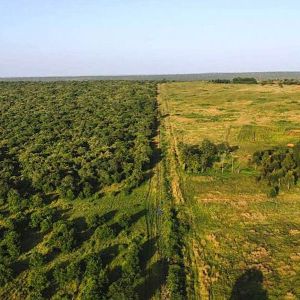
Land Use Change: Agricultural expansion is an ongoing threat to the natural landscape. Cropland in Laikipia county has increased by 50% in the past decade. The growing population of Laikipia continues to drive land use change.
Land Degradation: Repeated droughts and poor land-use practices has resulted in overgrazing, soil erosion, and land degradation. When growing conditions fail because of drought or degradation, pastoral livestock compete for resources normally shared with wildlife.
Human-Wildlife Conflicts: Elephants and plains wildlife consume or damage nearby crops, while big cats threaten livestock. People protecting crops and livestock are at odds with the wildlife that raid farms.
Poaching: Illegal wildlife trade is an ever-present threat. The proliferation of firearms exacerbates the situation.
Finance: Effective law enforcement and adequate funding is crucial. Currently, ranger salaries, allowances, transportation, security bases, radios, and other communication equipment are funded by philanthropy. There is a need for other sources of sustainable revenue.
Actions & Results:
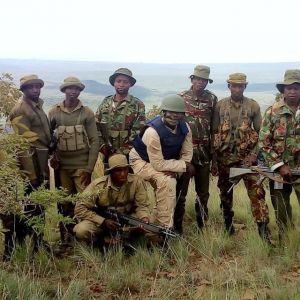
1. Recruiting and training rangers and equipping ranger bases along the border of the Conservancy has improved security dramatically. With increased protection, populations of key species, including elephants, lions, leopards and buffalo, are rebounding. Using real-time data from EarthRanger, a high-tech monitoring system, rangers record patrols, wildlife movements and other activities.
2. Local enterprise is being developed for communities surrounding the conservancy. As examples, improved cultivars of avocado are being distributed to local farmers, and an annual livestock fattening program is optimizing revenue per head of cattle for local herders.
See 2025 highlights
Biodiversity:
- Completed translocation feasibility study for zebra, eland and Thompson’s gazelle
- A study of grass and tree species at 23 Laikipia conservancies found that Mukutan has the highest species diversity
- New genus of moth discovered
Community:
- Mshipi (inter-community forum) meetings continue to be well attended and valuable
- Dental clinic provided
- Livestock: 8,000 cattle (including 2,000 calves) were accommodated by the grazing program
- 9 tonnes of avocado were harvested (with another 3 tonnes pending harvest)
- Wild honey helped generate $10,000 CAD in community group honey sales
Conservancy:
- Hired an Operations Manager – a key position
- more than 100 acres of invasive Leleshwa were cleared to open up grassland for ungulates
- Rangers received training in system management, report handling, patrol tracking, data integrity, ProTrack integration monitoring
- Land Management Plan revamped
- Conservation easements drafted
- “Expression of Interest” sent out to tourism operators
Location:
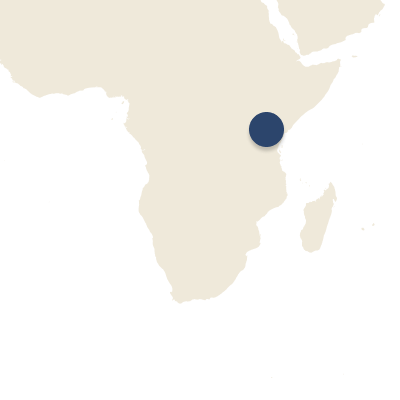
Laikipia County, Kenya
Size of Area Involved:
36,500 hectares (365 km2)
Project Field Partner:
The Gallmann Memorial Foundation
Our Investment to Date:
Cost (2017-2025): CA$3,593,101
Budget in 2026: CA$782,640
Gallery

In More Depth...
Kuki Gallmann and the creation of the reserve
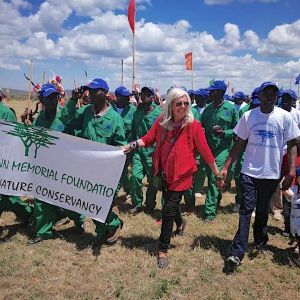
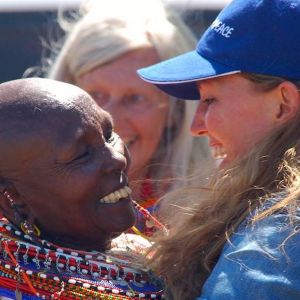
Below: Kuki Gallmann at Laikipia Highland Games, 2018. Italian born Kuki Gallmann has dedicated her life to transforming Ol Ari Nyiro from a degraded cattle ranch to its natural state after the tragic deaths of her husband and young son. It is now Kenya’s largest private reserve and an important sanctuary for wildlife. Her memoir, I Dreamed of Africa, brought her international recognition and has given her a platform to speak against elephant poaching and in support of conserving natural ecosystems. Her daughter Sveva and Sveva’s husband Nigel Croft Adams are carrying on the work of the Conservancy
More images
Wildfires are a problem in drought years. This 2015 fire stopped just short of the Makena Hills retreat. Biome Conservation has helped the conservancy buy a tractor to build fire breaks.Wildfires are a problem in drought years. This 2015 fire stopped just short of the Makena Hills retreat. Biome Conservation has helped the conservancy buy a tractor to build fire breaks.

Similar Projects
Halting the deforestation and degradation of Kijabe Forest
Find Out More