Goal:
To conserve forests and the extraordinary biodiversity of Papua, Indonesia, working with Indigenous people.

Conservation Value:
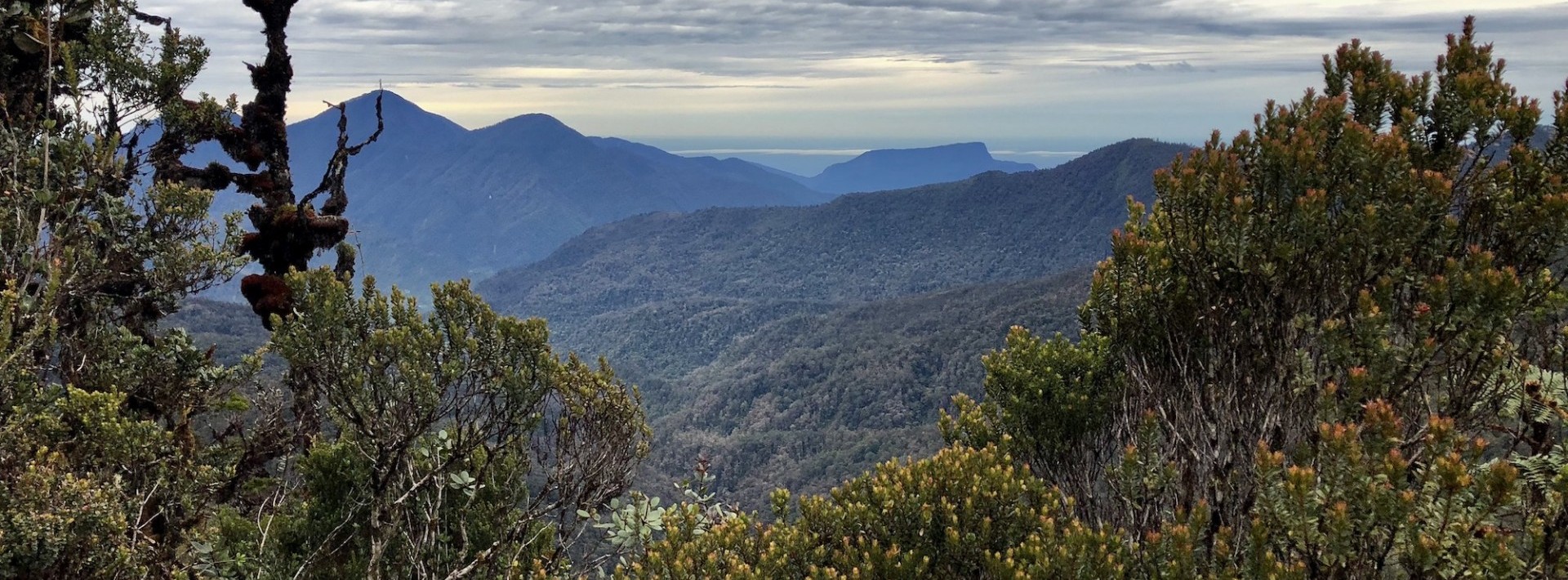
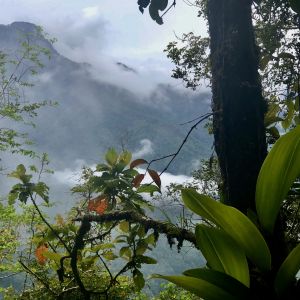
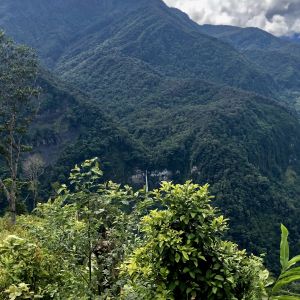
The island of New Guinea is the most floristically diverse island in the world (Cámara-Leret et al. 2020). An estimated 10% of the planet’s biodiversity is found there. This is Asia Pacific’s largest area of primary forest; an estimated 92% of its original forest cover is still intact (amounting to 33.8 million hectares).
Read more
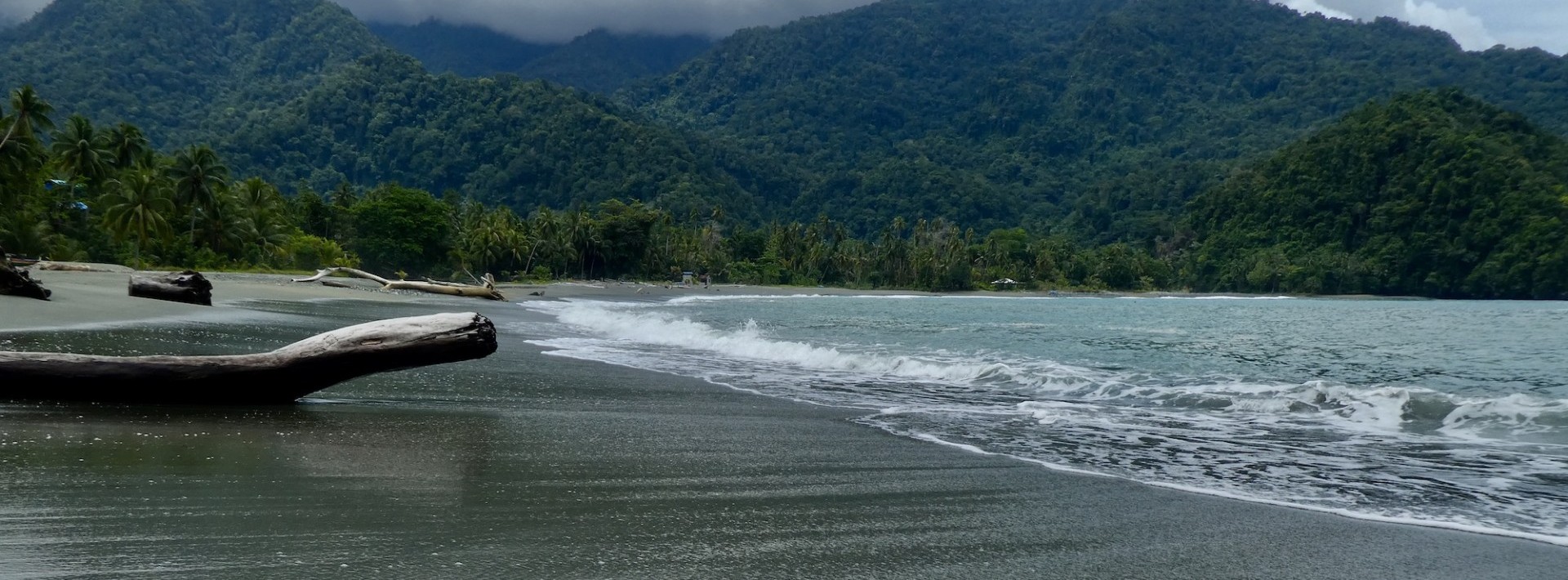
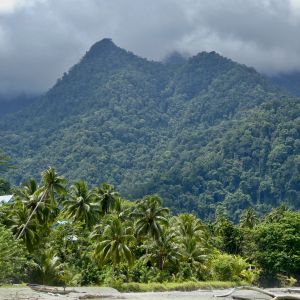
Indonesian New Guinea harbours 8.5% (1.17 Mha) of the world’s mangrove forests (13.58 Mha; Gaveau et al. 2021), a larger percentage than other leading nations of Brazil, Nigeria, or Australia (Wilkie and Fortuna 2003). It is home to more than 600 species of birds, including 27 bird-of-paradise species, many of which are endemic. Our project sites have rare and endemic species such as the recently rediscovered Attenborough long-beaked echidna (Cyclops Echidna; CR) and the Sentani rainbowfish (Chilatherina sentaniensis, CR).
Threats:
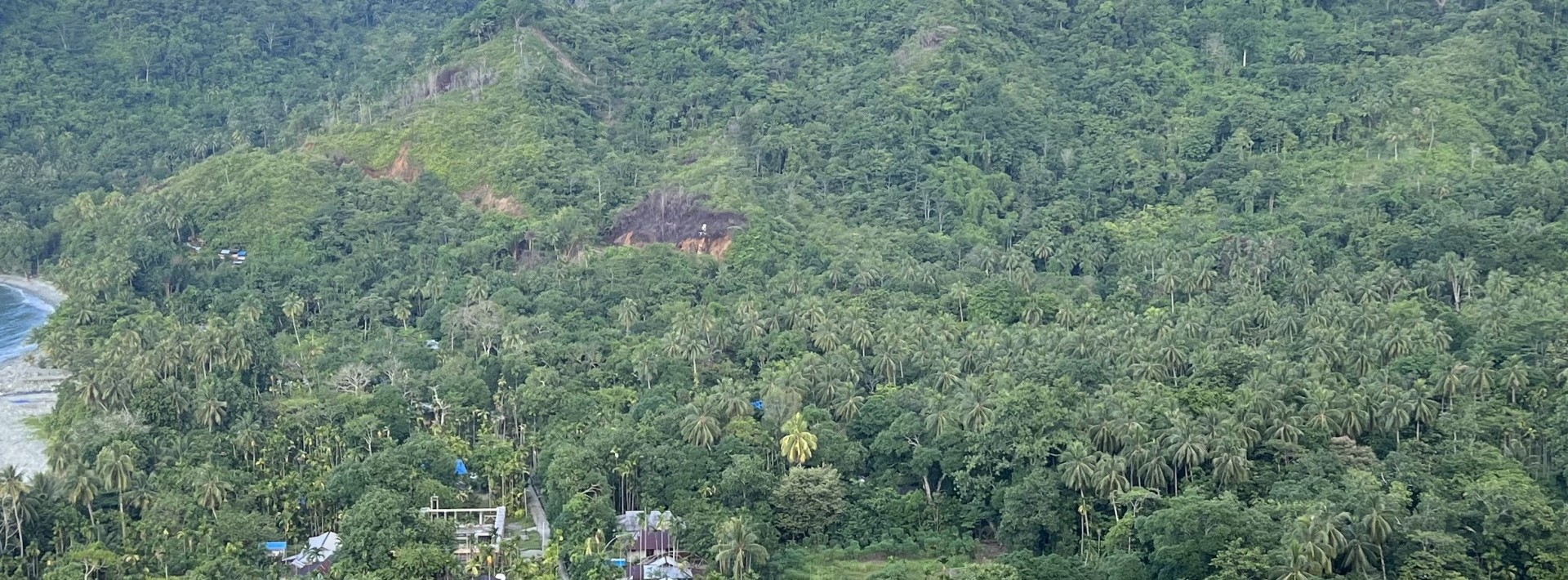
Logging (illegal and legal), mining and other forms of natural resource extraction threaten rare and endemic species of Tanah Papua. Over the past two decades, the Papua region lost 663,443 hectares (1.6 million acres) of natural forest cover. Aside from forest loss, deforestation can increase the likelihood of erosion and landslides. Deforestation is being perpetuated by a lack of viable alternative economic opportunities.
Actions & Results:
We are taking measures that will protect biodiversity, provide sustainable livelihood opportunities, and reduce unsustainable resource extraction:
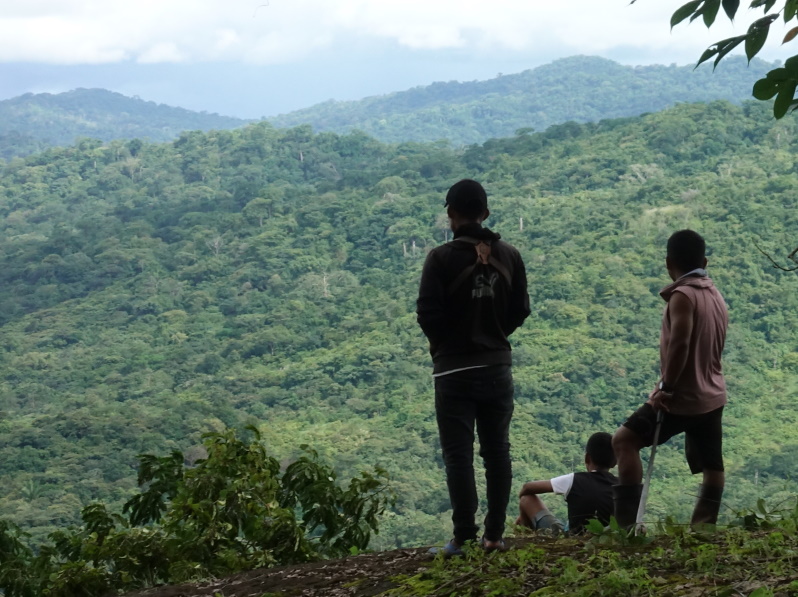
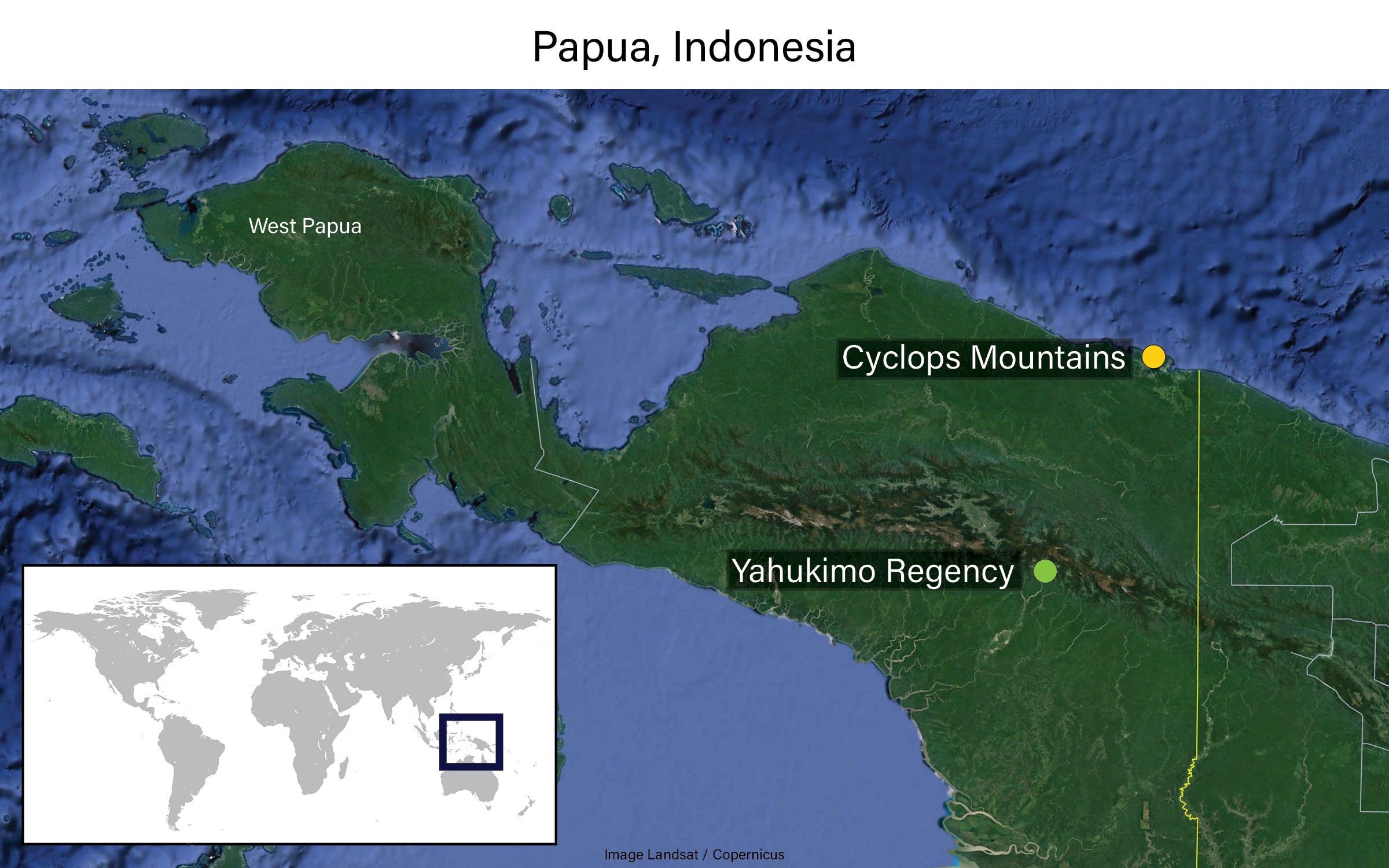
- reforestation in Yahukimo Regency and Jayapura Regency, with forests owned and managed by the local community
- establishing tree nurseries and composting facilities in scattered locations throughout highland Yahukimo and coastal Jayapura regencies
- establishing a Learning Center in Sentani, Jayapura Regency. The facility will be a hub for conservation-related research and public education.
- developing a satellite research station in Yahukimo Regency
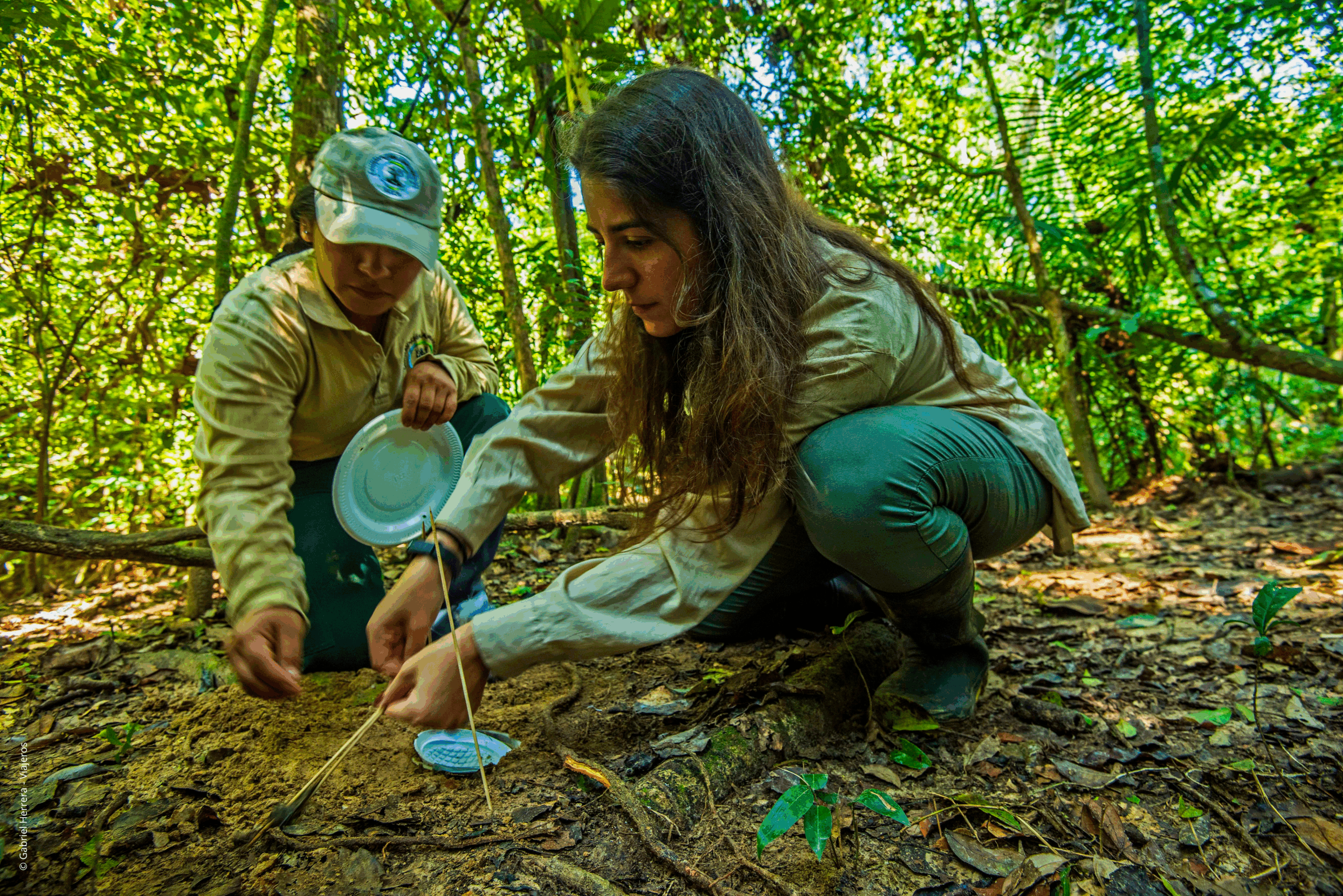
Scientific field research is vital for developing human capacity for biodiversity conservation in Papua, as was demonstrated in Papua New Guinea. Locally hired field assistants end up as researchers and decision makers. A mission-critical advance for YAPPENDA was the signing of an MoU with the National Research and Innovation Agency. This affords YAPPENDA the legal framework for its research operations, including the ability to arrange research permits.
Location:
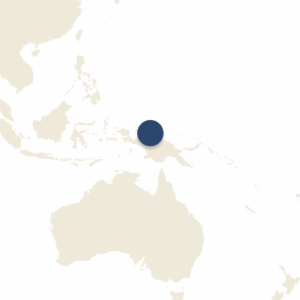
Papua province, Indonesia
Size of Area Involved:
working within a region of 75,000 ha
Project Field Partner:
Yayasan Pelayanan Papua Nenda (YAPPENDA)
Our Investment to Date:
Cost (2022-2025): CA$1,441,624
2026 budget: CA$284,000
Gallery

In More Depth...
Project Partner
Yayasan Pelayanan Papua Nenda (Foundation for the Love and Service of Papua, YAPPENDA)
YAPPENDA is an Indonesian NGO that was started in 2022 by two brothers, Iain and Malcolm Wilson. YAPPENDA was founded to protect and restore the flora and fauna of Tanah Papua while empowering indigenous Papuans.
Project Area
Jayapura and Yahukimo regencies, Papua Province, Indonesia

Similar Projects
Halting the deforestation and degradation of Kijabe Forest
Find Out More
Conservation of elephants and other wildlife at Mukutan Conservancy
Find Out More