
Goal:
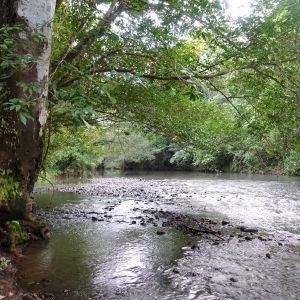
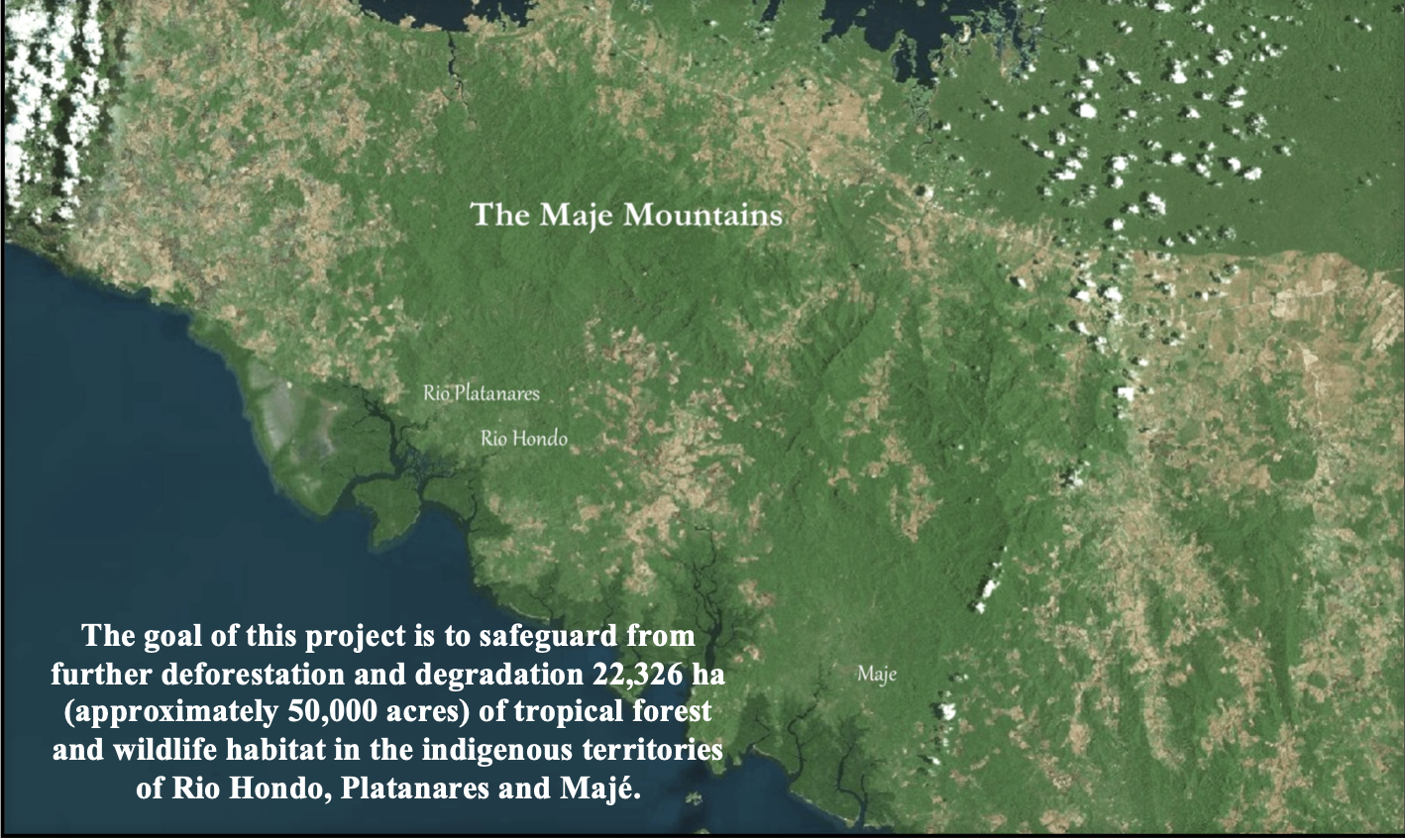
To conserve species and habitats within the forested and riparian habitats of three Wounaan Indigenous territories, totalling 22,326 hectares.

Conservation Value:
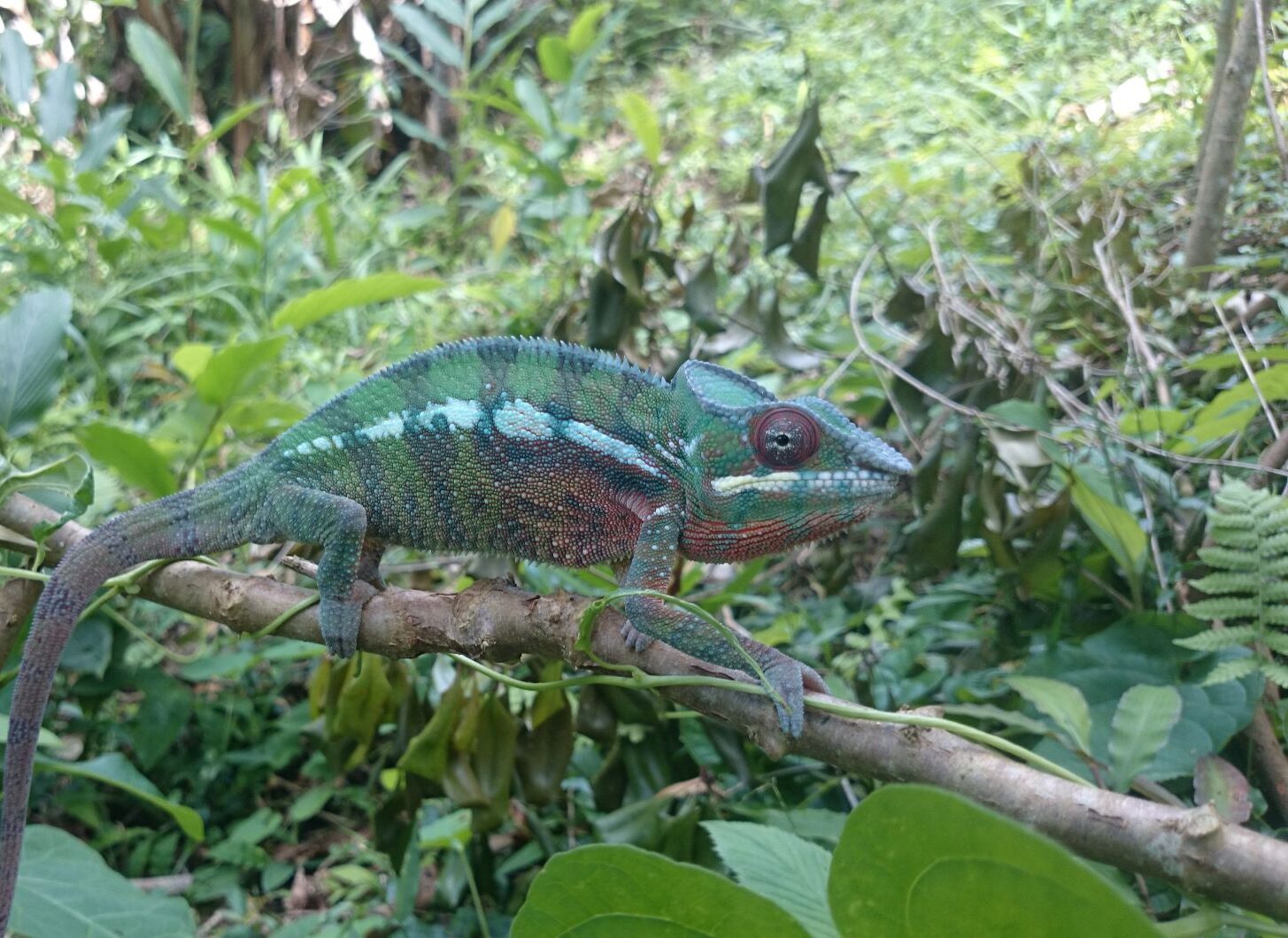
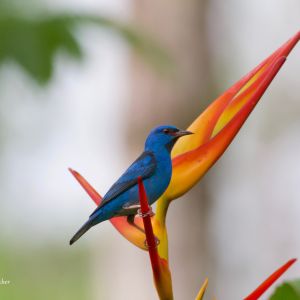
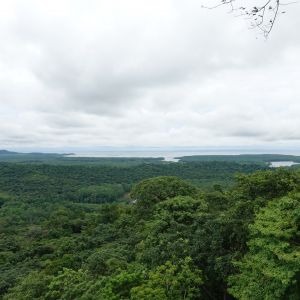
Wounaan Indigenous territories harbour intact forest and species already extirpated outside this region. The location is the 60-km-long Majé Mountain range, which, from its mountain tops to the Pacific coast, has some of the highest biodiversity in the world. The landscape is the winter home to at least 65 Neotropical migratory bird species, including the Prothonotary and Canada warblers. It supports globally threatened species such as the Great Green Macaw, Harpy Eagle and Great Curassow. In the eastern-most highland of the range, research at the Chucantí Reserve (established with support from Biome), found a high level of endemism and discovered new species, including: a staghorn beetle, a lungless salamander, a centipede snake, Anthurium (a plant), a Heliconia plant, a Pierid butterfly, a climbing rat and a beetle.
Threats:
Outside Wounaan territories, forests are being logged and cleared for cattle ranching and farming at one of the highest rates in Panama and there has been widespread destruction of coastal mangroves. With access from the Pan American Highway, settlers have cleared 40% of the land in eastern Panama. The remaining forest – starkly seen from satellite imagery – is found in national parks and Indigenous territories, including Indigenous territories still without legal recognition like Rio Hondo, Platanares and Majé. The threats extend to these lands.
Actions & Results:
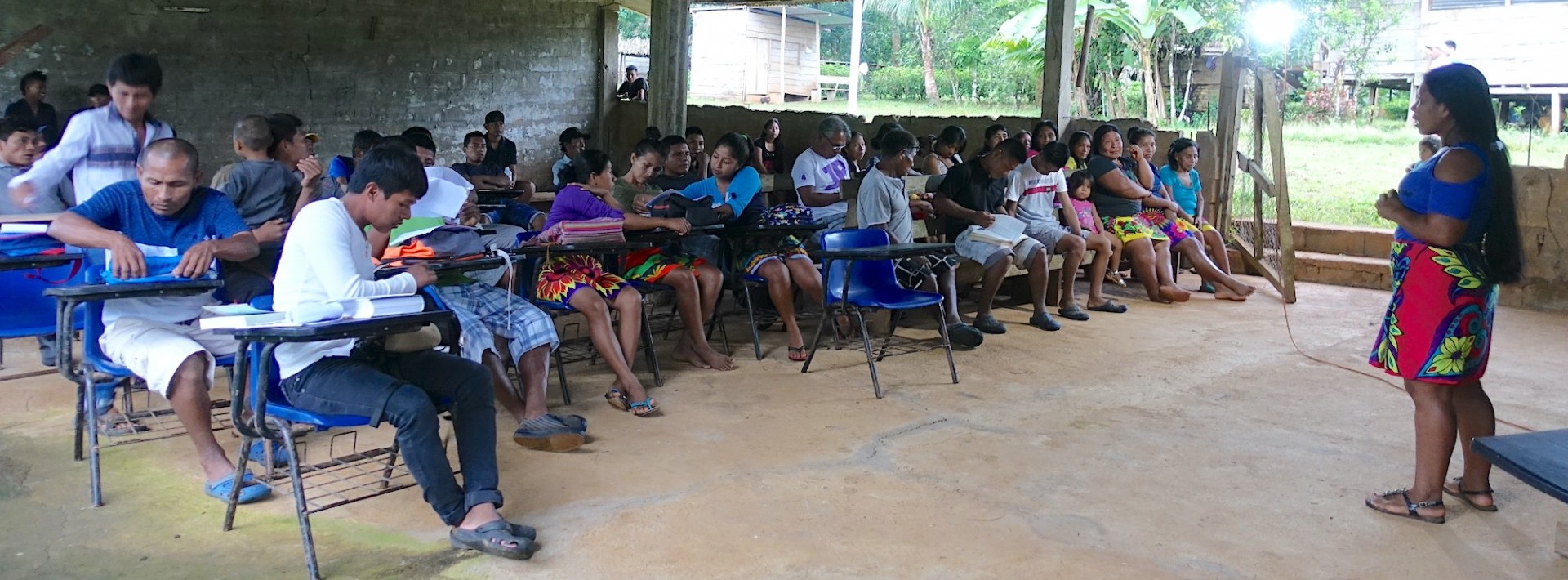
Biome works with Native Future and Wounaan communities to protect their traditional lands (35,000 hectares) from the Majé Mountains to Panama Bay. A successful strategy led by the Wounaan has been a game-changer: it combines live satellite monitoring, border monitors, drone operators, and legal representation. This has led to documented illegal incursions and ecological damage being brought before the Panamanian government and then into the courts. Since 2017:
- 24 individuals have been penalized or prosecuted for environmental damages to Wounaan territories since the monitoring program began.
- $121,647 USD in fines have been levied against those who committed illegal deforestation of almost 200 hectares of forest.
- Protection and enforcement have proved a strong deterrent.
The project has worked to optimize protection effectiveness through improved use of technology and training in fire fighting. Training in tree climbing and seed collection accompanied the planting of native trees on Wounaan lands.
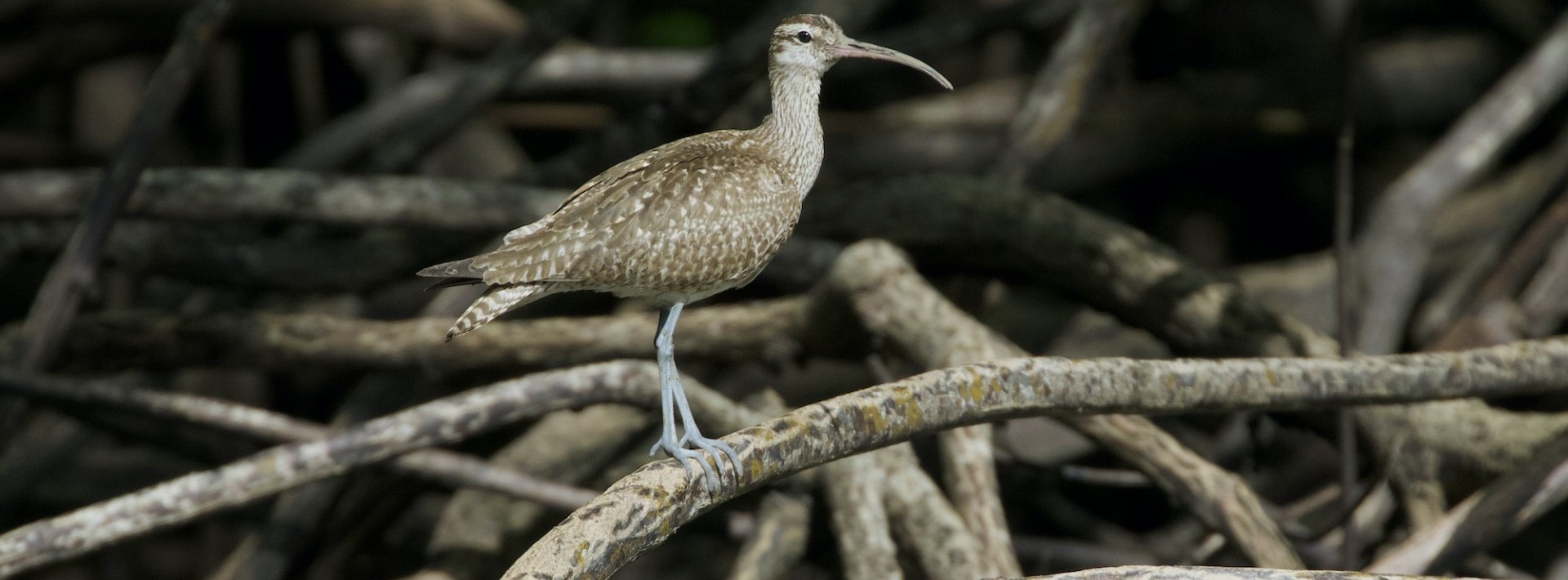
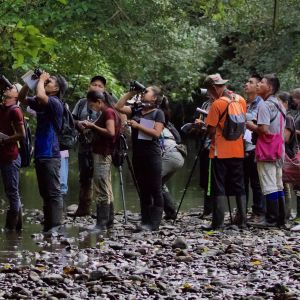
The Wounaan are developing bird-centered ecotourism focused on North American wintering songbirds and shorebirds (notably, whimbrels) and over 100 resident breeding species.
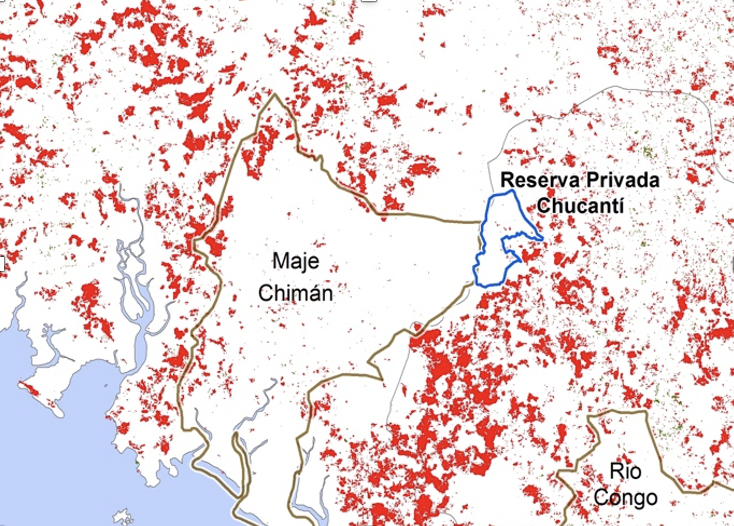
Wounaan lands and the adjoining Chucanti reserve have undergone minimal deforestation (shown in red) in contrast to surrounding lands.
Location:
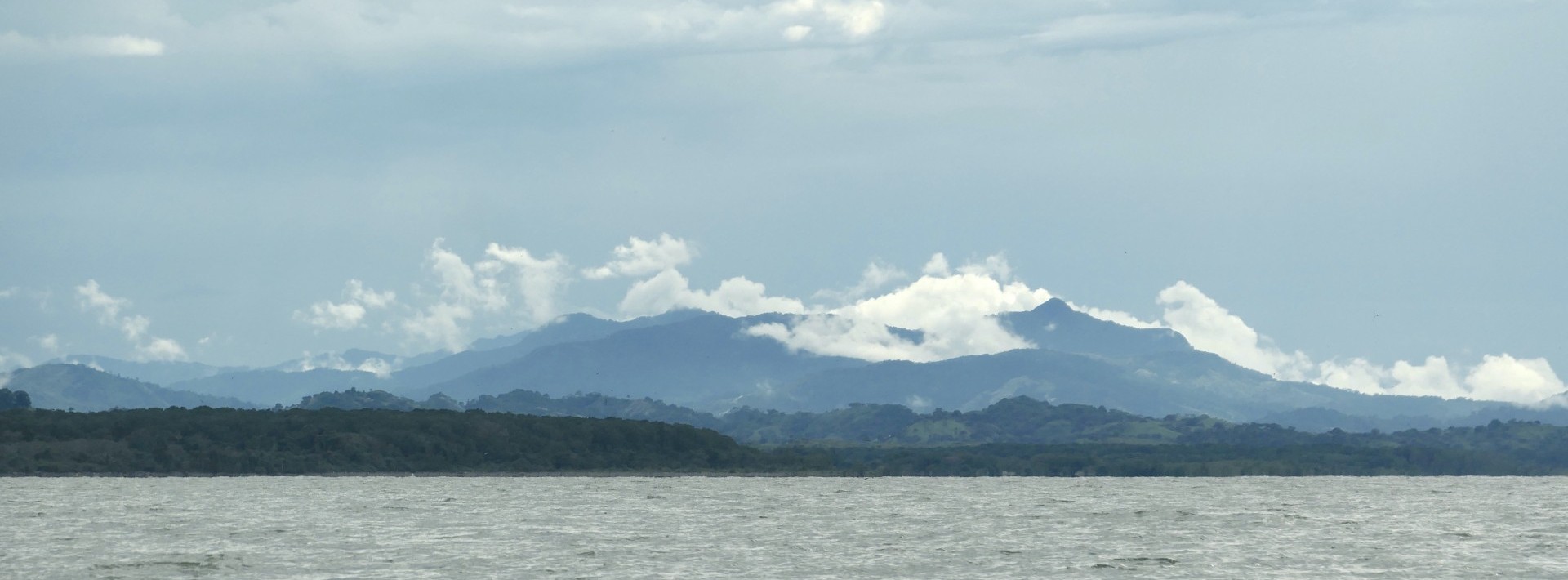
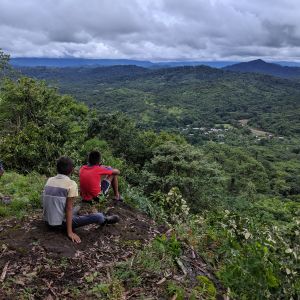
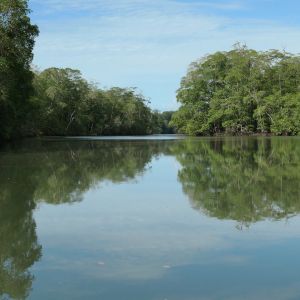
Eastern Panama from the Pacific ridge of the Majé Mountains (1,432 m elevation) down to the mangrove forests of the Panama Bay Wildlife Refuge (Refugio de Vida Silvestre Humedal Bahía de Panamá).
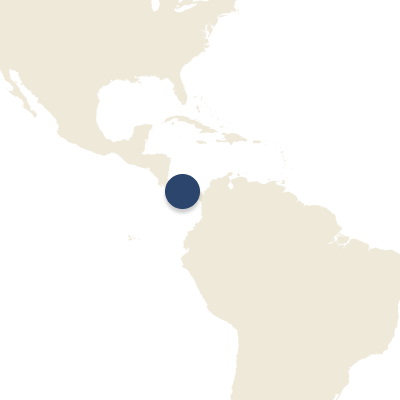
Size of Area Involved:
22,326 hectares (223 km2)
Project Field Partner:
Our Investment to Date:
Cost (2021-2025): CA$304,594
Budget in 2026: CA$92,300
Gallery



In More Depth...
Current work plan
Territorial Monitoring and Enforcement:
- Employ next generation technology and support community-based monitors and local authorities to defend their territories from encroachment, deforestation and degradation.
- Wounaan territorial alerts, map updating and coordination with community-based monitors.
- Community-based monitoring in 3 communities
- The purchase of drones, trap cameras, telecommunications and other equipment that will enable faster and Covid-19-safe gathering of evidence to substantiate legal complaints.
- Shepherding legal complaints by Wounaan authorities and lawyer.
- Putting in place permanent boundary demarcation (cairns and signs).
Community Ecotourism and Conservation Agreement:
- Align conservation and ecotourism development; outline benefit sharing agreements and natural asset protection.
- Conduct up to 6 workshops in Rio Hondo and Platanares to develop community agreements on plan future bird conservation and ecotourism.
- Complete legal review of the community agreements.