
Goal:
To conserve red panda populations and their forest habitat by restoring degraded watersheds and promoting red panda stewardship among communities in Nepal.

Conservation Value:
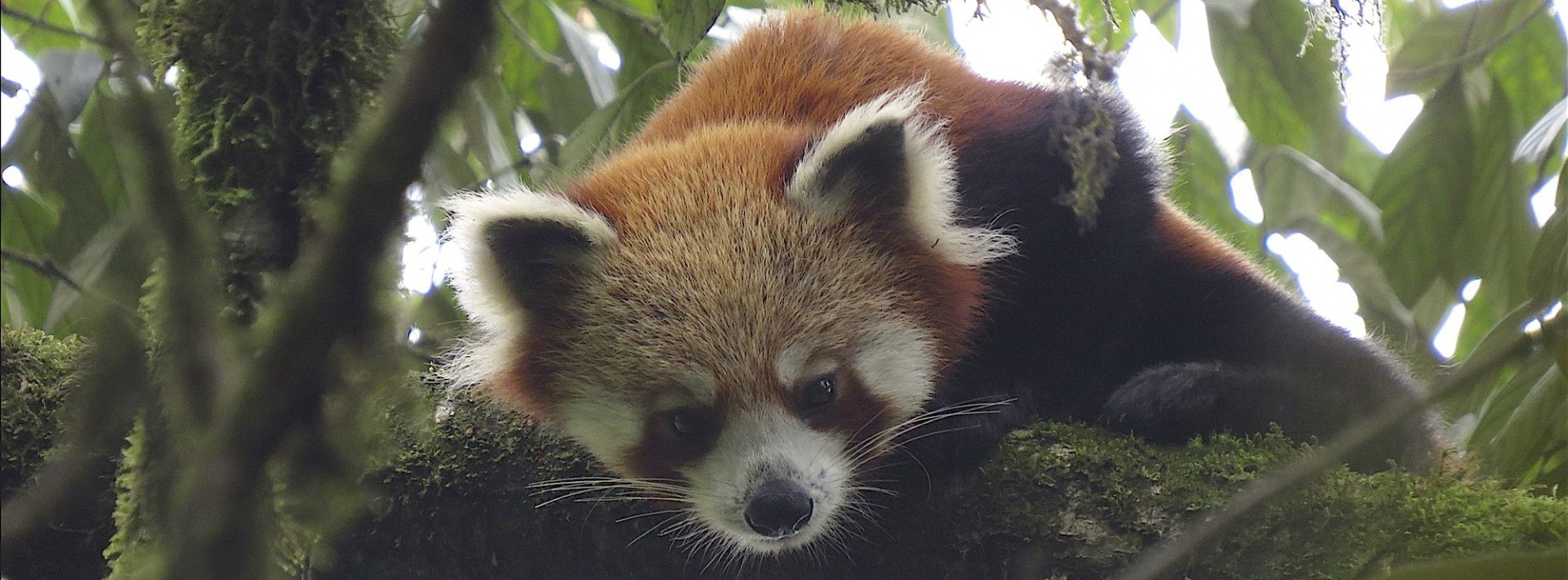
The red panda has been classified as Endangered by the IUCN because its wild population is estimated at less than 10,000 mature individuals and continues to decline. The project area covers nearly 30% of the potential red panda habitat of Nepal. The project also conserves and restores forest and benefits pangolins and other species.
Threats:
Habitat loss and fragmentation, poaching, and inbreeding are all taking a toll on the red panda population in Nepal. This species has poor survival rates in fragmented habitat as they do not readily find new feeding grounds in a highly fragmented landscape and are exposed to other threats when crossing unsuitable habitat. Poaching in Nepal and Myanmar is fuelled by Chinese demand for the species as wild meat, for medicine and for skins. The smaller local populations of Nepal can support little or no off-take. A growing human population in the Himalayas means more people are moving into red panda habitat to pursue their livelihoods.
Actions & Results:
We began supporting work in the eastern part of the country and are now forcusing on western Nepal.
Some of the key results from 2025:
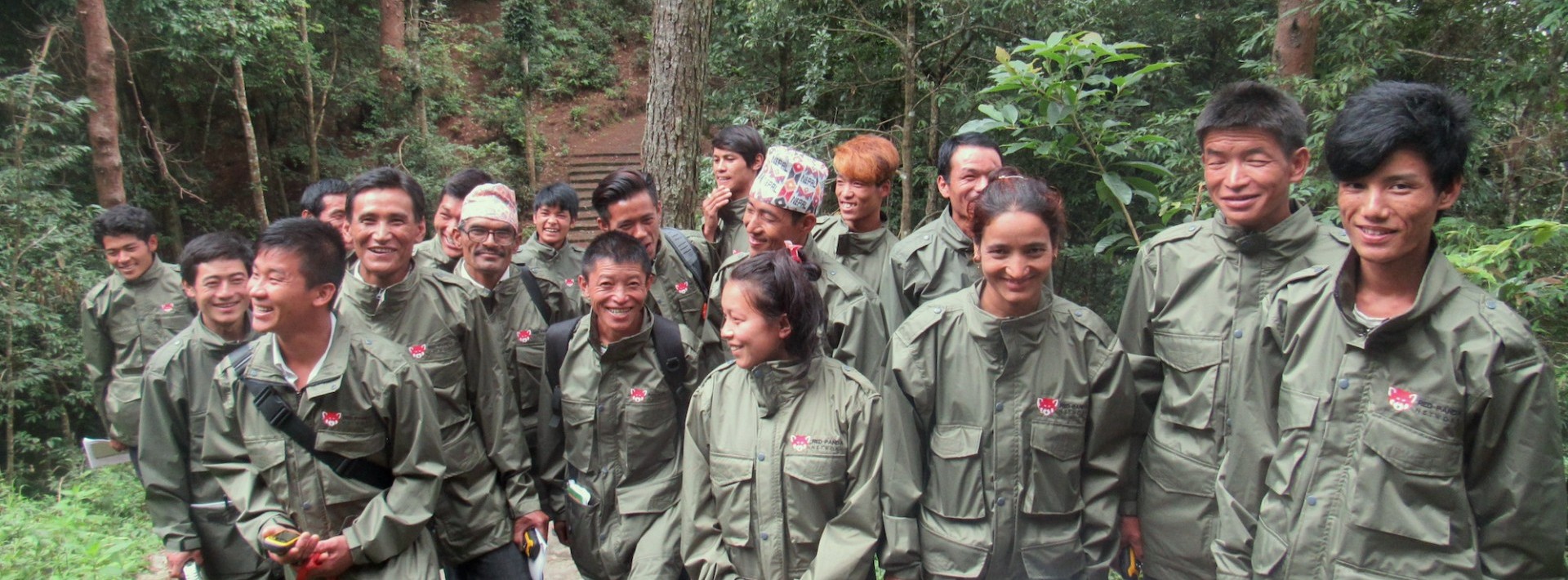
- Regular monitoring completed in 19 Community Forests by 34 Forest Guardians.
- The anti-poaching patrolling conducted covering 76.5 km across 77 hours.
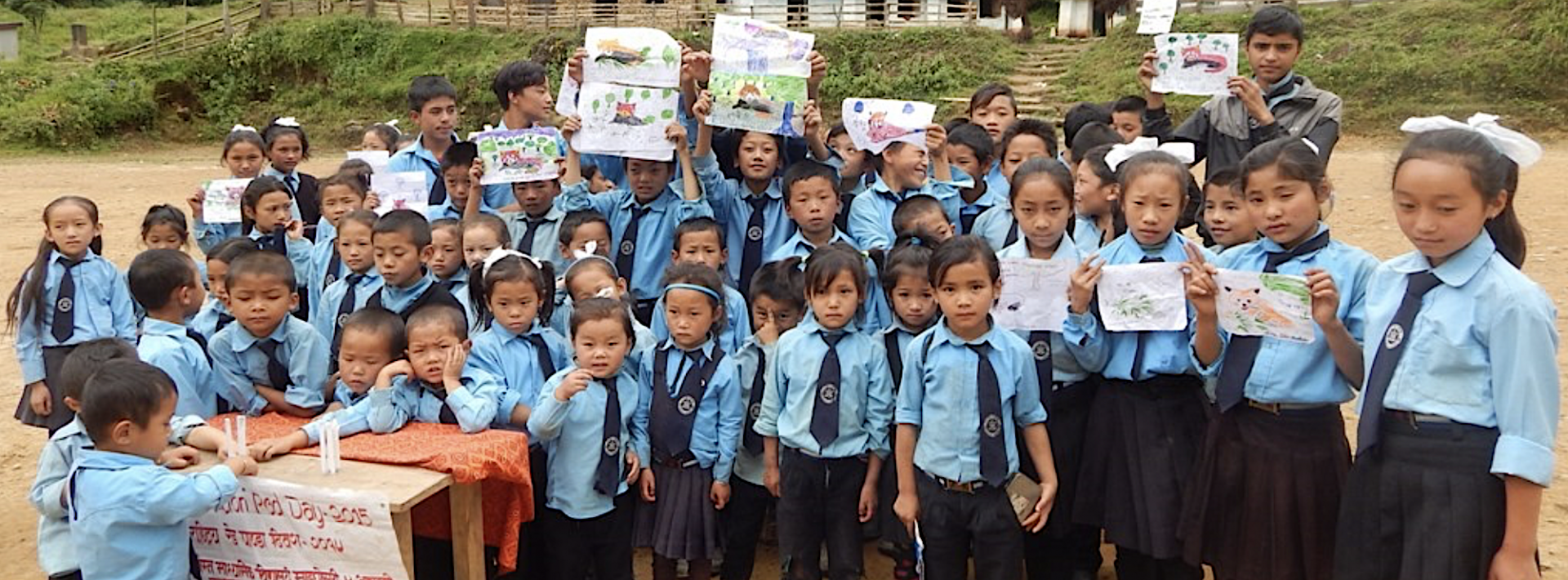
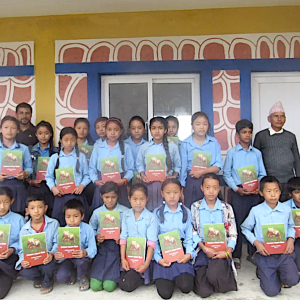
- Support for educational materials and sports equipment provided to one school in Kalikot – Durga Secondary School.
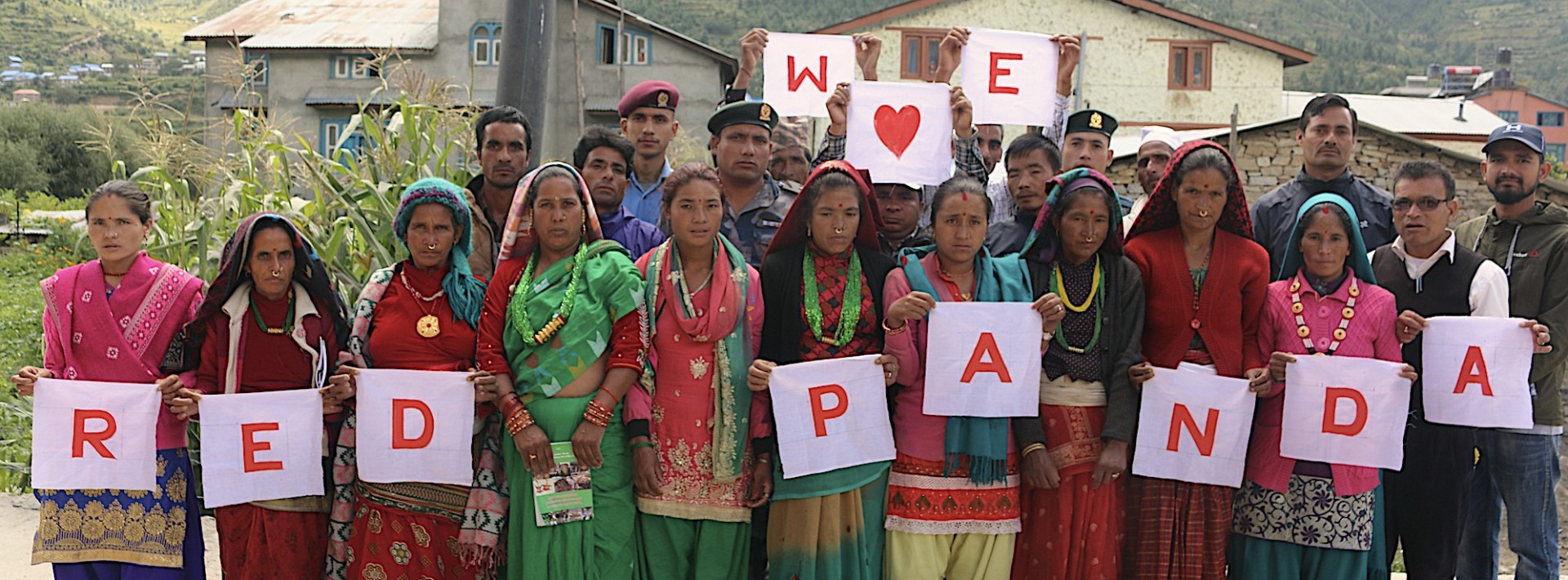
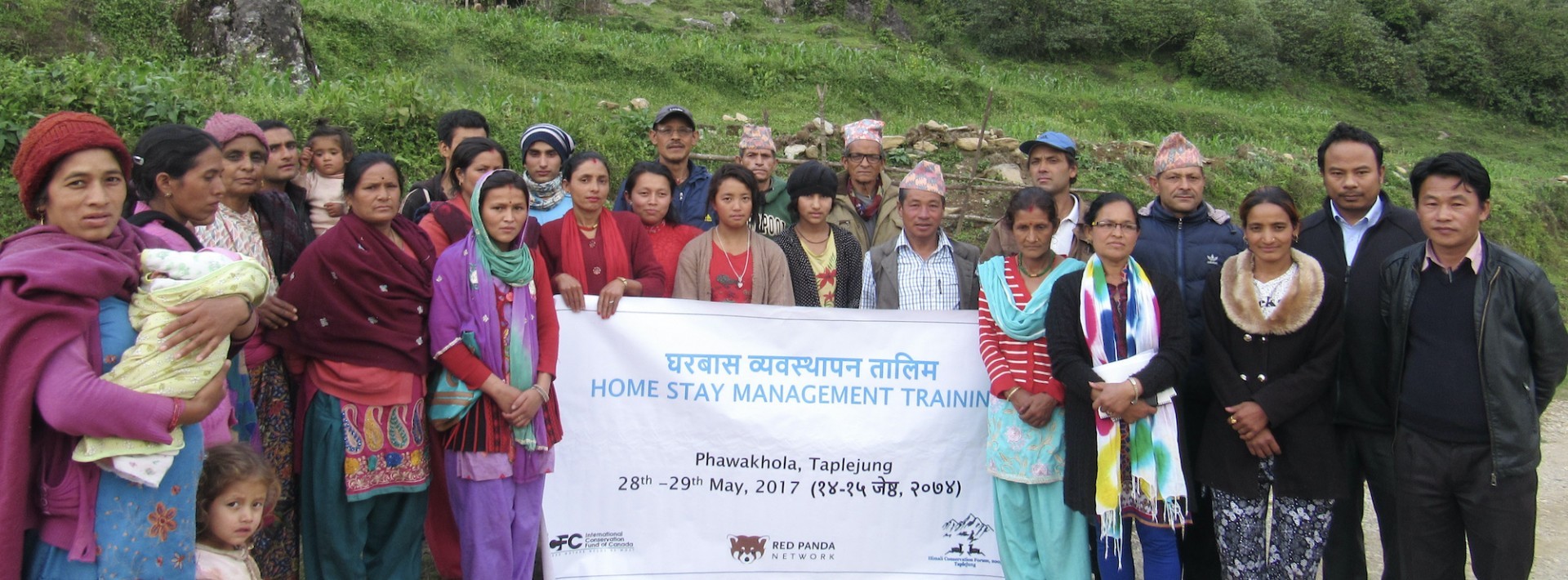
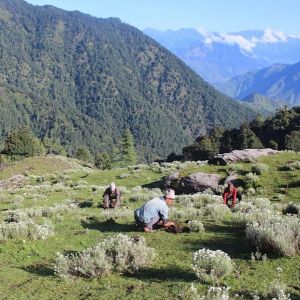
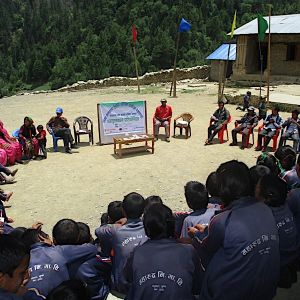
- A total of 23 participants (12 males and 11 females), primarily with occupations in livestock grazing, actively participated in a conservation awareness workshop jointly organized with the Division Forest Office of Kalikot, .
- Two water holes restored in Maharudra and Mahadev Dhuska CFs of Jumla District. This activity provided 36 man-days worth of work to 11 males and one female.
- Forest fire management training was provided to the locals and the police officers from Urthu Police station. After the training, essential wildfire-fighting tools and personal protective gear were given to police.
- 20 restoration monitoring plots were established in the restoration site in Jumla district, and first set of data on the number of planted seedlings, their height, and basal diameter were recorded.
- Improved cook stoves distributed to 80 households in three districts: 20 in Jumla, 25 in Jajarkot, and 35 in Kalikot.
- A women-led (sheep’s) wool enterprise group was formally established and registered in compliance with government acts and regulations.
Location:
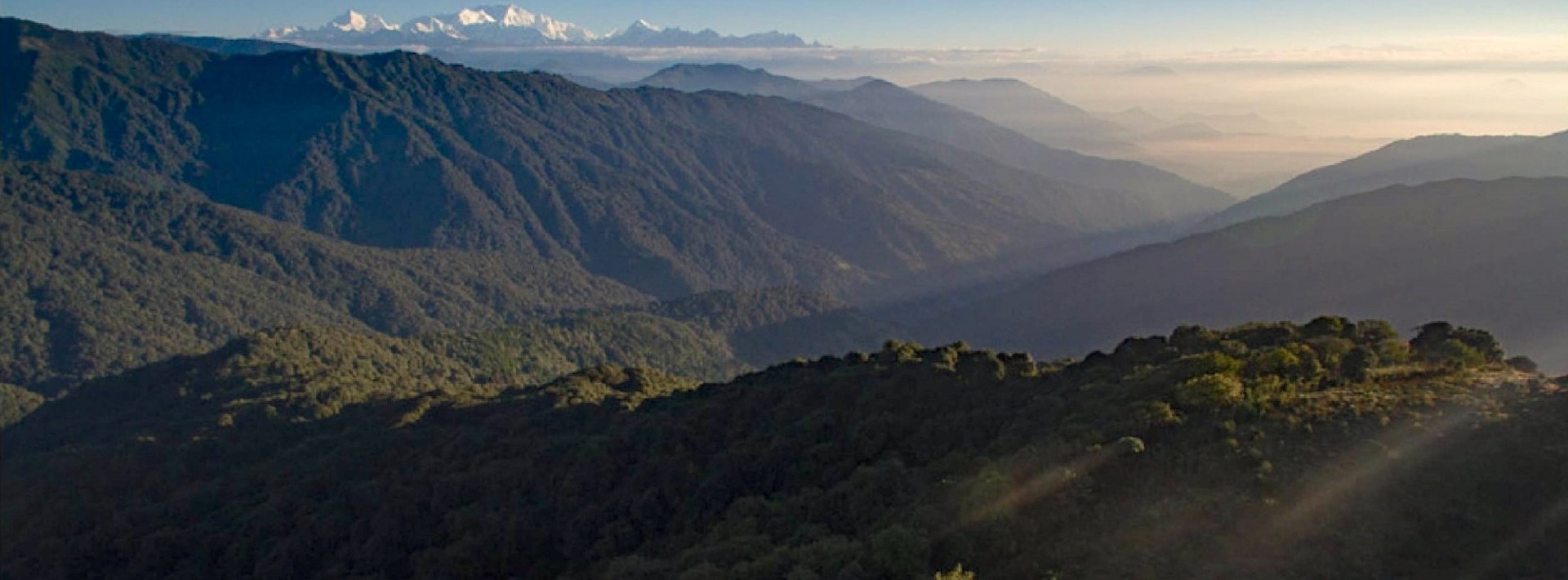
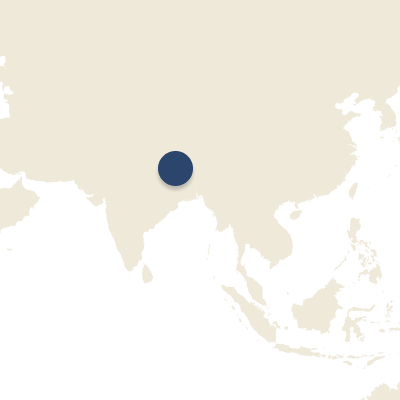
Kangchenjunga Singhalila Complex in eastern Nepal and three protected areas in western Nepal.
Size of Area Involved:
261,600 hectares (2,616 km2)
Project Field Partner:
Red Panda Network in Nepal
Our Investment to Date:
Cost (2022-2025): CA$461,170
Budget in 2026: CA$156,200
Gallery







Video
The Forgotten Panda
In More Depth...
Map of new project area in western Nepal
Images from the field
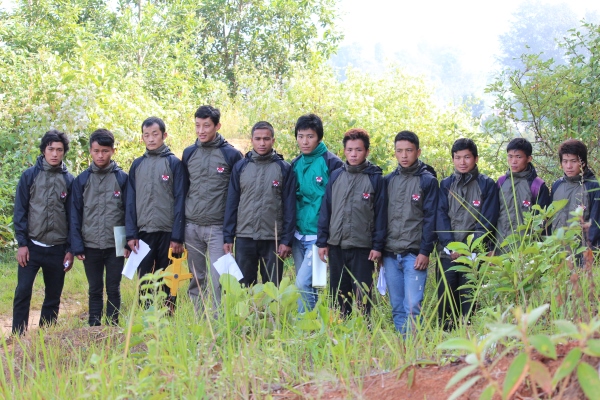
Forest Guardians during training

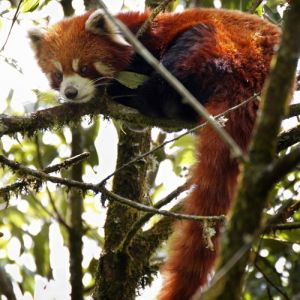
Feeding red panda. photo: Axel Gebauer

Similar Projects
Deploying strategic security and technology to save rhinos
Find Out More
Mali Elephant Landscapes – Paysages des éléphants du Mali
Find Out More