Goal:
Conserve Farankaraina Forest and its wildlife and restore degraded areas within it.

Conservation Value:
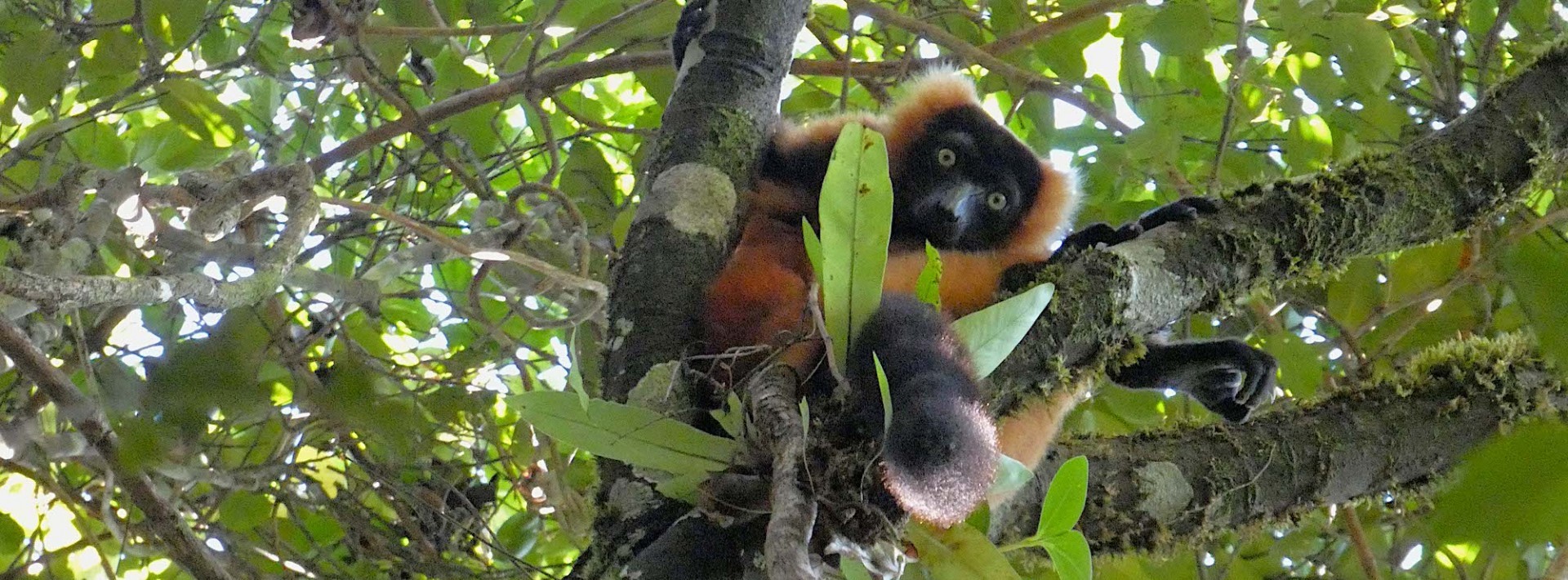
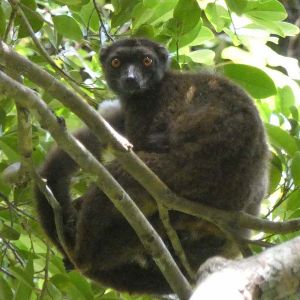
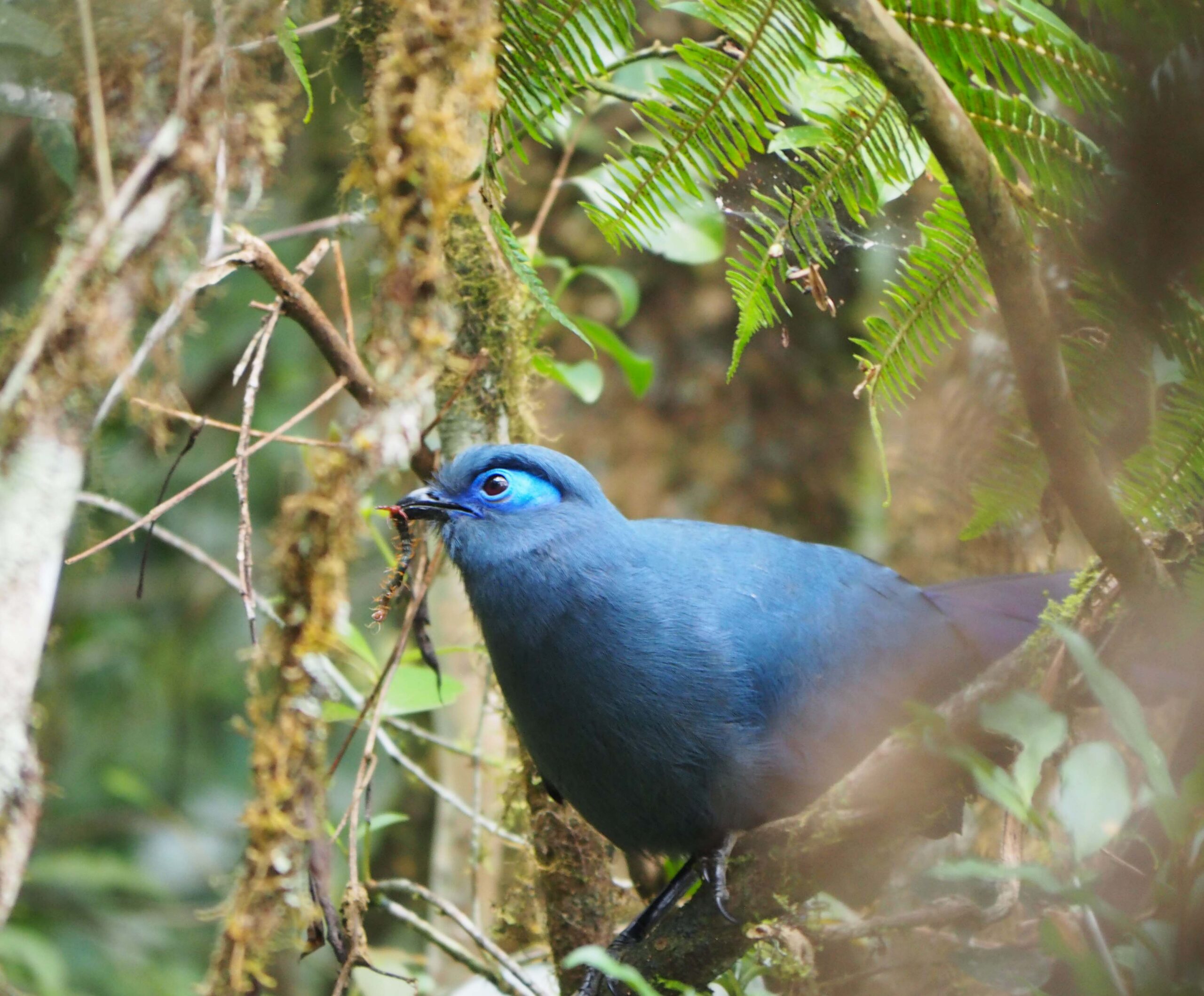
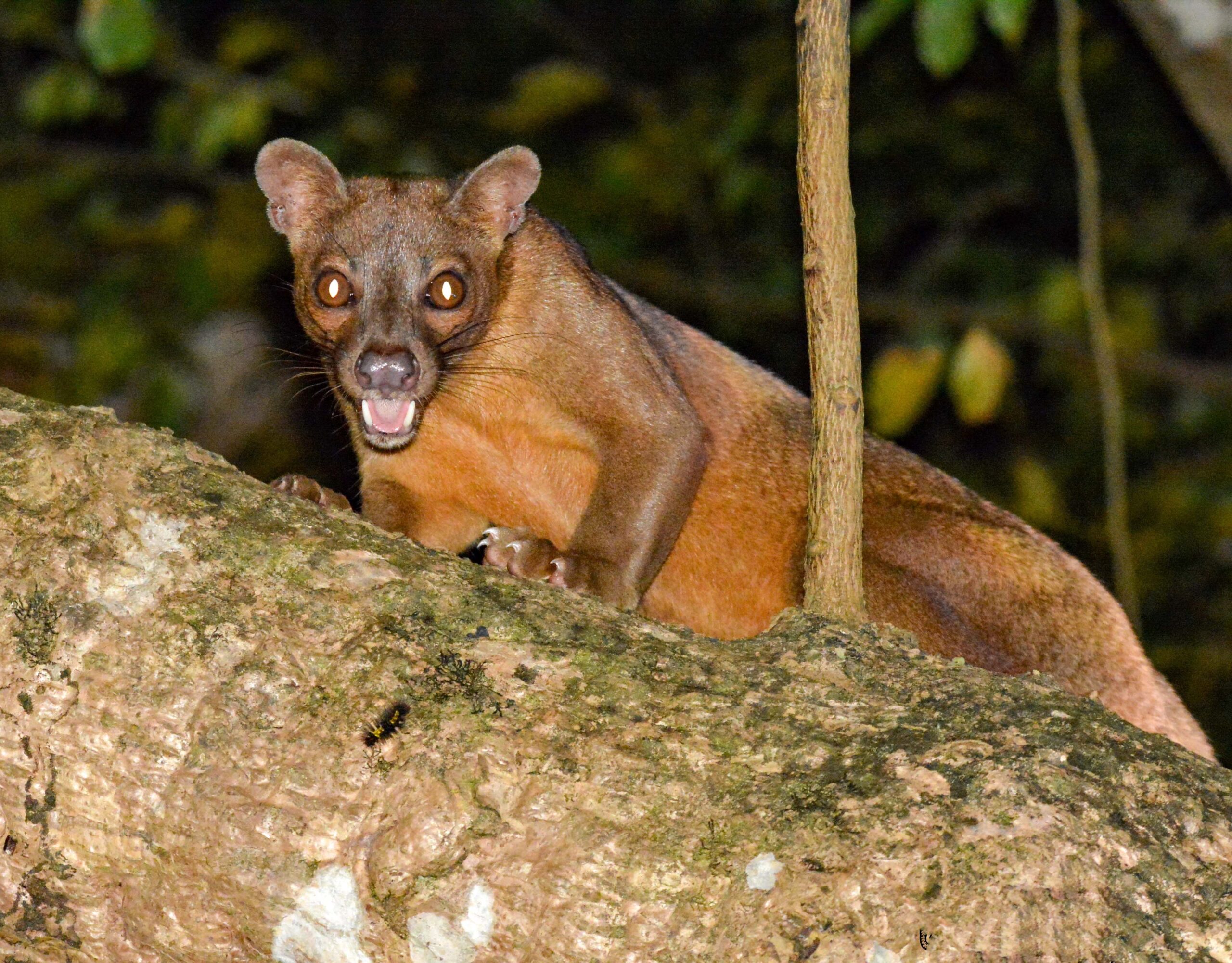
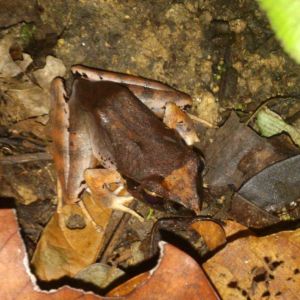
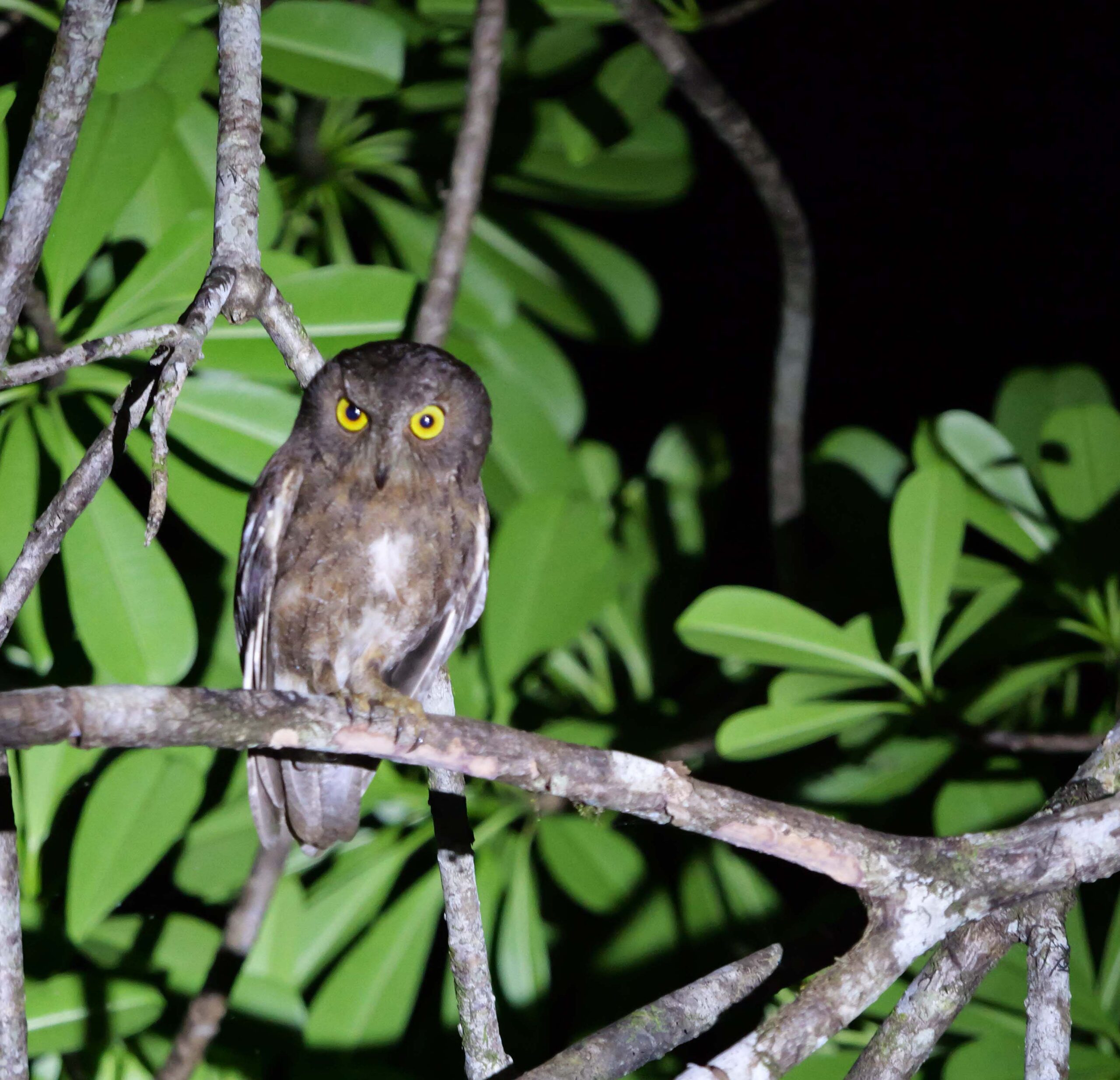
The Farankaraina Forest, located on a priority area for conservation within Madagascar, includes 1,000 ha of primary rainforest within its 2,770 ha, extending inland from the ocean to an interior elevation of 410 meters above sea level. The forest has proximity to Makira natural park (the largest protected area in Madagascar) and Masoala national park (the country’s largest national park). The Antongil Bay area contains an estimated 50% of Madagascar’s biodiversity while covering only 2% of its surface area. The region is home to the highest diversity of Madagascar’s emblematic lemur species and more than half of all the known endemic species in the island, including the Endangered aye-aye and the Critically Endangered red-ruffed lemur.
Threats:
Forests in northeastern Madagascar experience pressure from increasing population and poverty. There are nine communities with about 20,000 people living around the Farankaraina Forest. The main threats to the forest are the growing demands for land for subsistence farming (slash-and-burn agricultural practices), illegal logging for charcoal and precious woods (e.g., Madagascar rosewood), unsustainable collection of non-timber resources (e.g., honey, wax, tubers, bark, and medicinal plants), some artisanal mining, and poaching.
Actions & Results:
Fandroakando works with two village associations (VOIs) to protect and restore Farankaraina Forest.
Fandroakando’s rangers patrol the forest each day, playing a vital role in protecting the flora and fauna in the reserve. Rangers vary their patrol routes and times to ensure they are unpredictable. During patrols, they take notes and photos and report the location of any newly damaged areas to the VOI and local minister of the environment. The VOI then investigates and takes action.
At least once per month, members of the local VOI join the rangers on patrol.
Patrols are now tracked using the Spatial Monitoring and Reporting Tool (SMART), improving the effectiveness of patrols.
In 2025:
- VOIs restored forest and riverbank areas by planting native tree seedlings, and two tree nurseries were established to provide seedlings for planting in 2026.
- To improve local livelihoods and relieve pressure on the forest, Fandroakando established a Village Savings and Loans Association. It also supported communities by supplying vegetable seeds to 443 farmers for planting outside Farankaraina forest to provide income but also for their consumption.
Location:
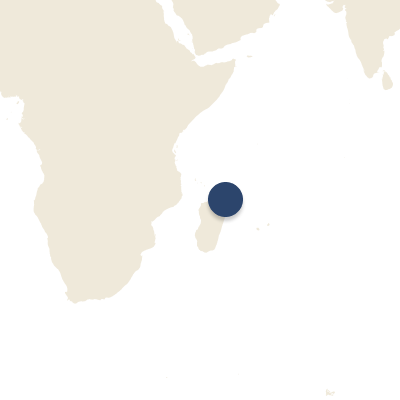
Antongil Bay in northeastern Madagascar
Size of Area Involved:
2,770 hectares
Project Field Partner:
Our Investment to Date:
Cost (2021-2025): CA$541,109
Budget in 2026: CA$47,336
Thanks to Re:wild for co-funding this project. We are seeking additional support in 2025 (your support is welcome!).
Gallery
Video
In More Depth...
More images (courtesy Fandroakando)
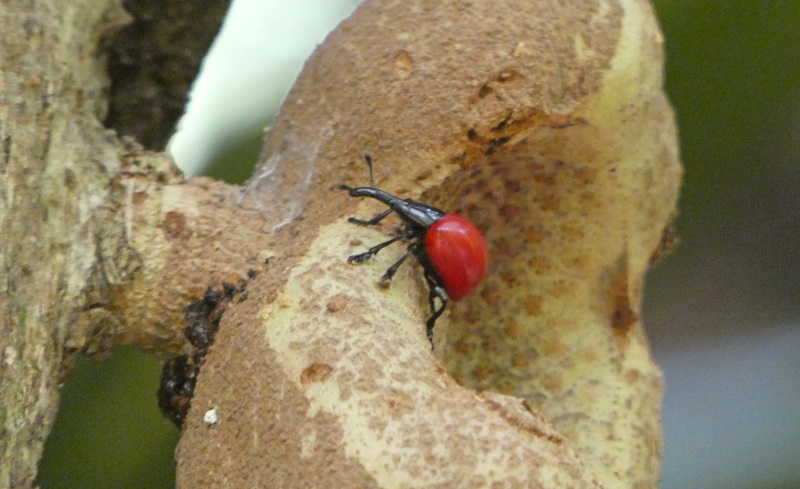
Giraffe weevil (aka giraffe-necked weevil)
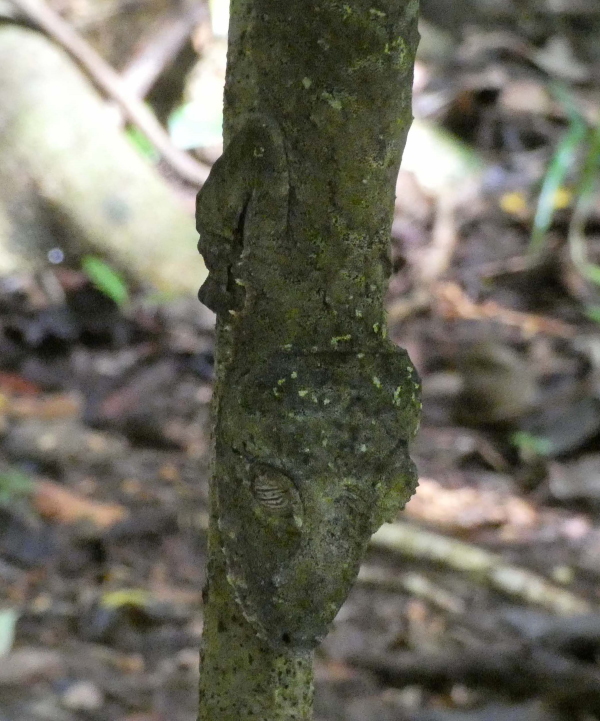
Leaf-tailed gecko (a very cryptic animal!)
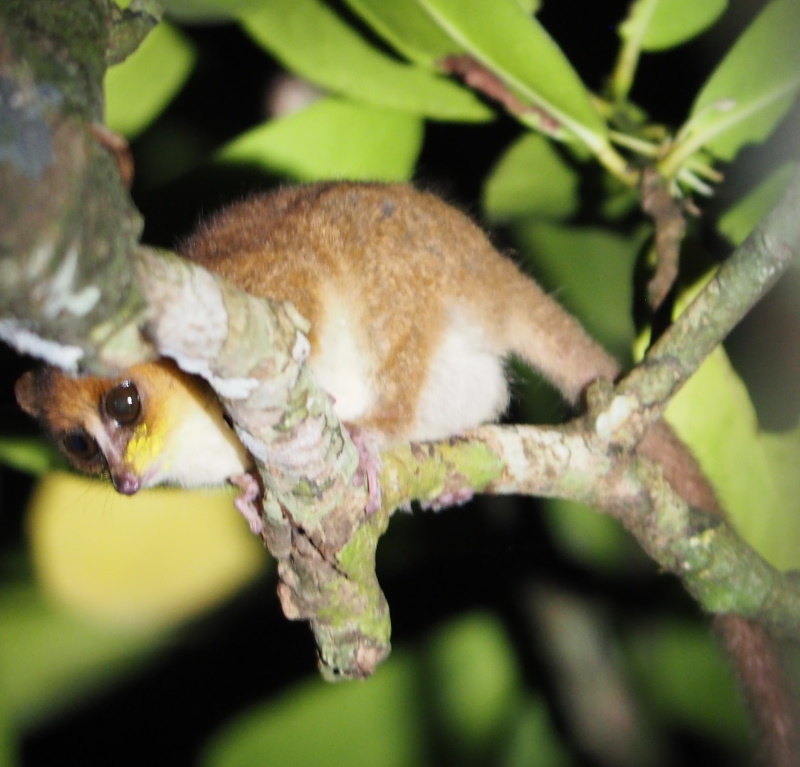
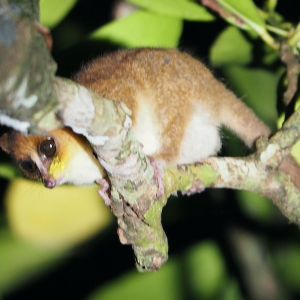
Mouse lemur
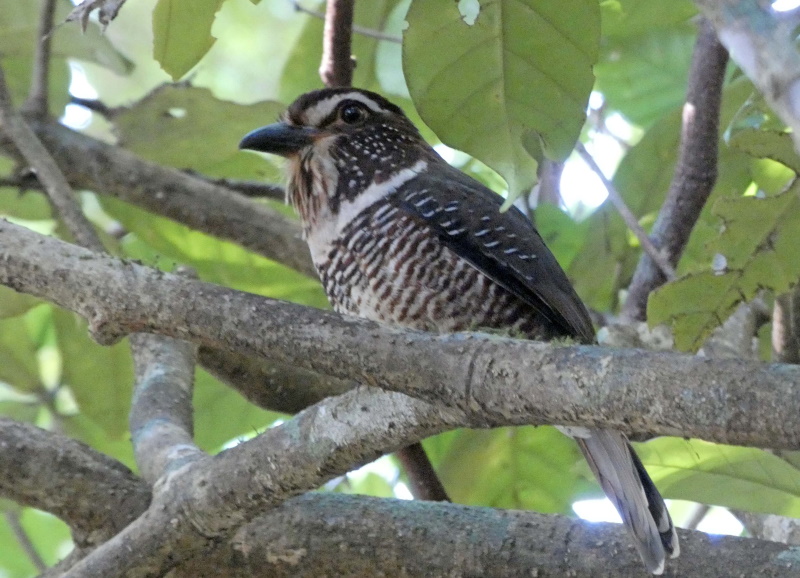
Short-legged ground roller

Similar Projects
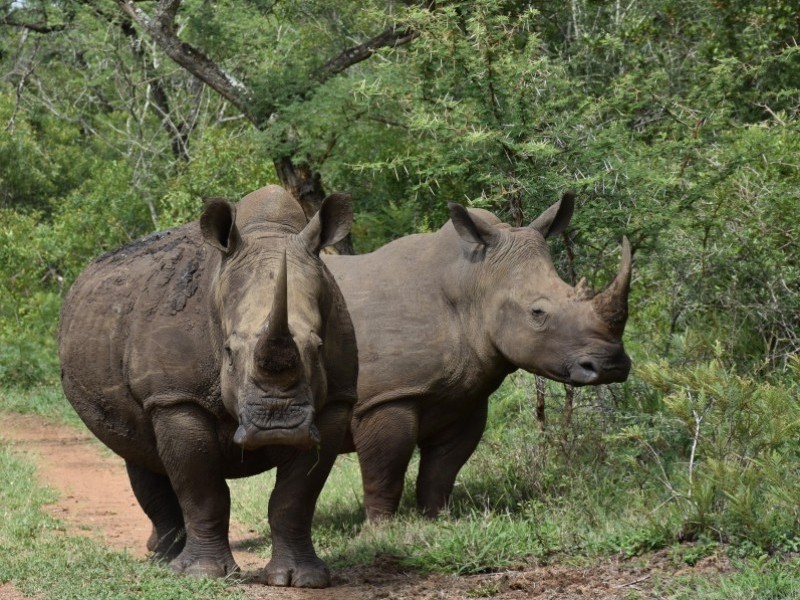
Deploying strategic security and technology to save rhinos
Find Out More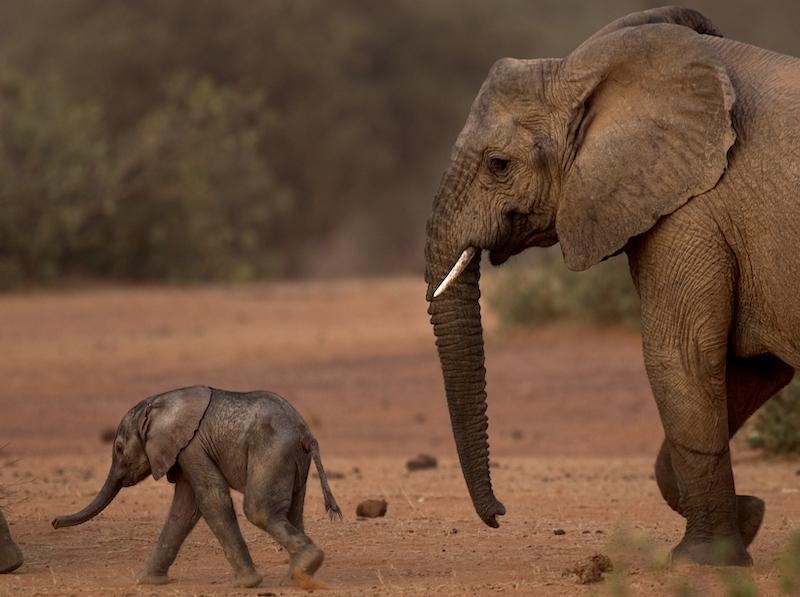
Mali Elephant Landscapes – Paysages des éléphants du Mali
Find Out More