


Goal:
Stop and reverse the population decline of the Critically Endangered spoon-billed sandpiper
This project is fully funded at present.
(Support is welcome for other projects)
Conservation Value:
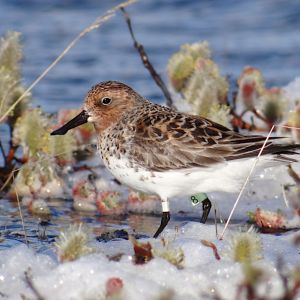
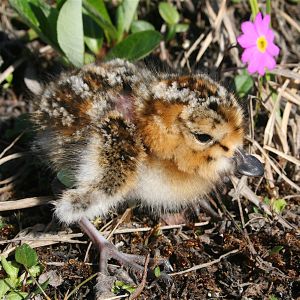
The Spoon-billed Sandpiper (CR), which breeds in Russia and winters in Southeast Asia, is one of the world’s most threatened shorebirds. Conservation efforts underway, including this project, give hope for the species. Intertidal mudflats along the East Asian-Australasian Flyway support more than 50 million migratory birds each year, including 33 globally threatened species, hence efforts for this species provide broader benefits. At present, 80 percent of the known population of the spoon-billed sandpiper winters in Myanmar, Bangladesh, China, and Thailand.
Threats:
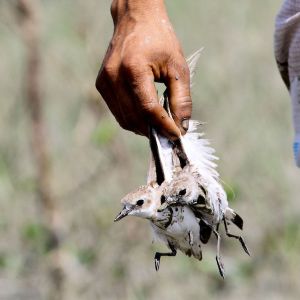
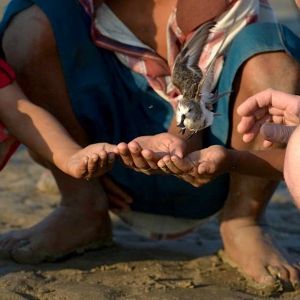
Throughout its migratory range, invertebrate-rich tidal flats are being converted for industrial use and adult birds are being hunted for food. There are no known immediate threats on its breeding grounds, climate change may emerge as a threat in breeding areas and sea level rise would impact coastal non-breeding habitats. Many other shorebird species occupying these same habitats face the same threats.
Actions & Results:
The project is protecting more than 100 “Spoonies” — out of a population estimated at 350–550. Also protected at these sites in 2025 were 85,000 shorebirds representing 68 species, including globally endangered and near-threatened species such as Nordmann’s Greenshanks, Great Knots, Red-necked Stints, Curlew Sandpipers, Eurasian Curlews, Asian Dowitchers, Red Knots, and Bar-tailed Godwits.
At stopover and wintering sites in four countries (China, Thailand, Myanmar and Bangladesh), sites used by Spoonies and other shorebirds are being protected. Along stretches of coast field teams have removed hundreds of illegal mist nets (which are used to trap birds) and carried out effective conservation outreach work in communities throughout the Spoon-billed Sandpiper winter range. Key project activities:
- guarding sites to protect birds from hunting
- developing livelihoods in farming and fishing as an alternative to hunting
- establishing no-hunting bylaws among Village Conservation Groups
- supporting local non-governmental organizations to increase awareness of hunting’s impact on this endangered bird.
Spoonie population surveys show a continued annual decline of ~5%, which is a much lower rate of decline than before 2010, but not yet where we need to be. We remain dogged in our efforts to reverse declining population trends. The recently published 2025–2035 Action Plan is cutting edge and will provide meaningful guidance.
Location:
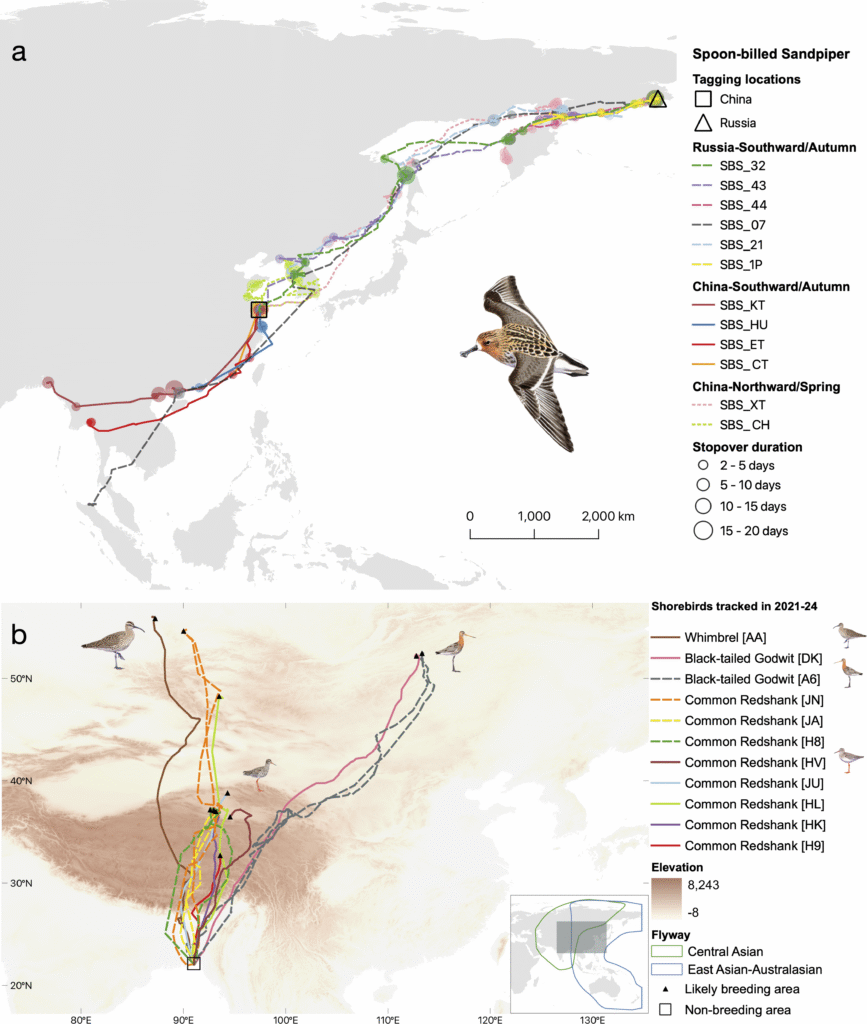
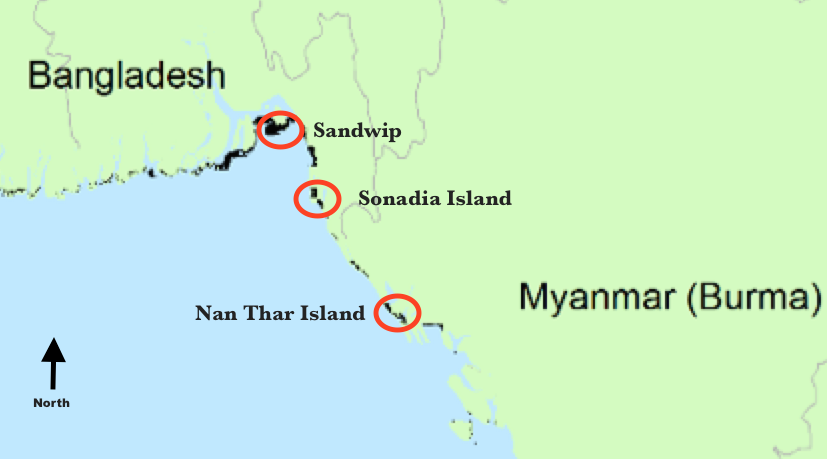
Sandwip Island and Sonadia Island in Bay of Bengal, Bangladesh; Nan Thar Island in Rakhine state, Myanmar; Leizhou, Guandong province, China; and Pak Thale, Thailand.

Project Field Partner:
Project field coordinator Sayam U. Chowdhury, Assitant Coordinator of the Spoon-billed Sandpiper Recovery Task Force, works with several partner organizations in Bangladesh, Myanmar, Thailand and China.
Our Investment to Date:
Cost (2016-2025): CA$854,588
Budget in 2026: CA$50,938
Gallery





In More Depth...
Program Partners and Personnel
Project field coordinator Sayam Chowdhury works with four local partners: the Spoon-billed Sandpiper Conservation Project (BSCP) in Bangladesh. the Biodiversity and Nature Conservation Association (BANCA) in Myanmar, the Bird Conservation Society (BCST) in Thailand, and also with Vivian Fu of the Hong Kong Bird Watching Society in China. Village Conservation Groups are also key to this effort. Other supporters of this work are the Royal Society for the Protection of Birds (RSPB) and the Disney Wildlife Conservation Fund.
Images from the field
Photo credit: Sayam U. Chowdhury, except where indicated.
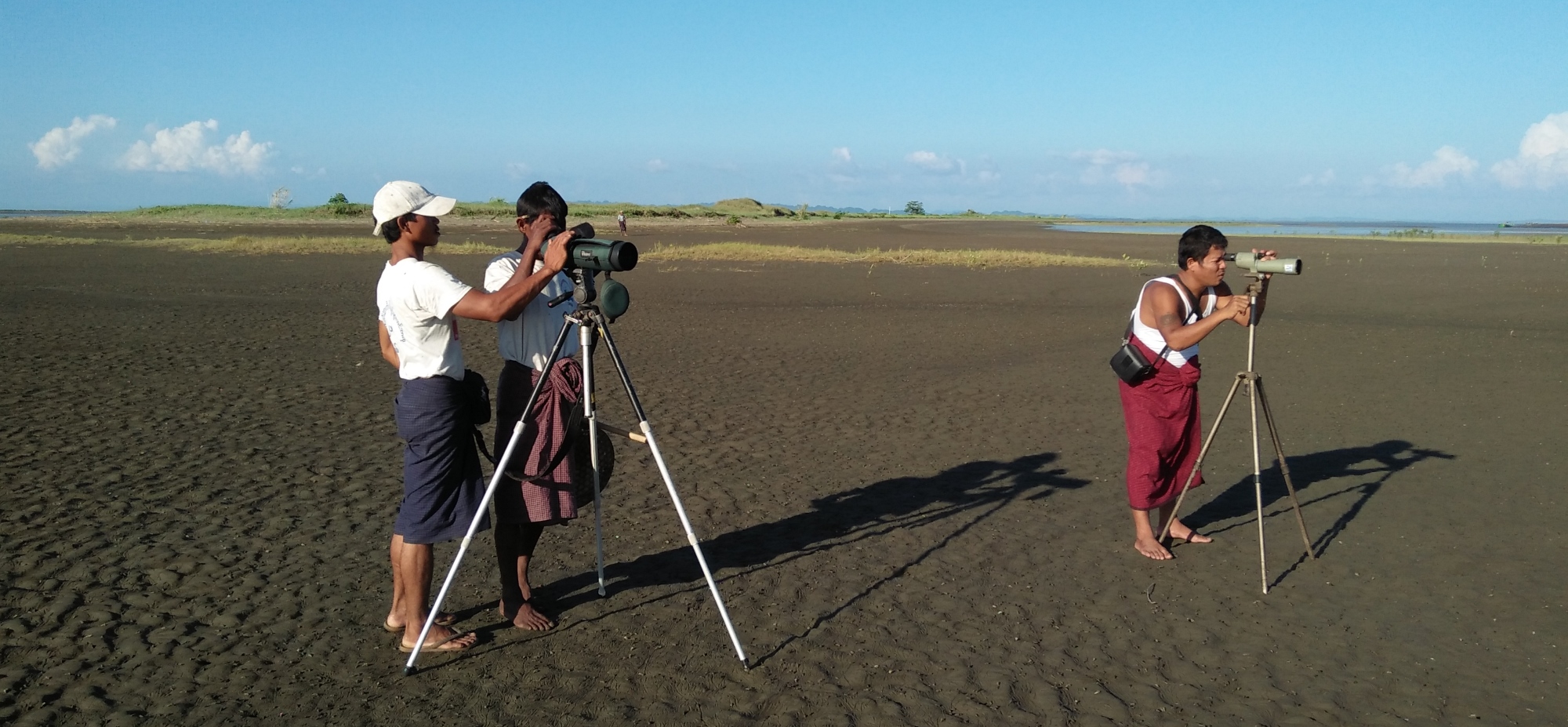
Project personnel search for spoonbills and other shorebirds. Photo credit: BANCA
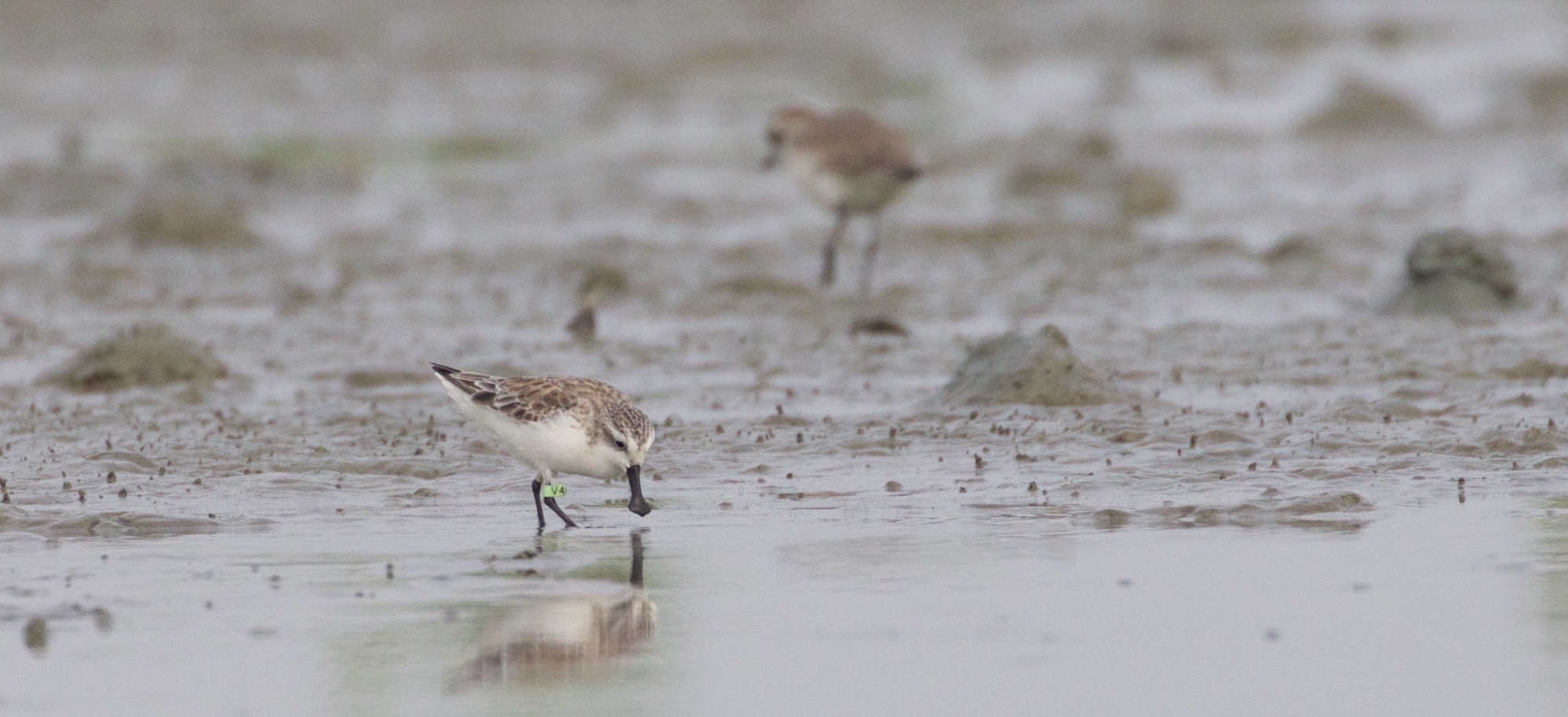
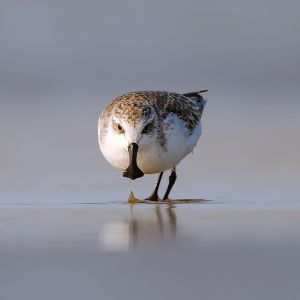
Spoonbills feeding at their wintering areas.
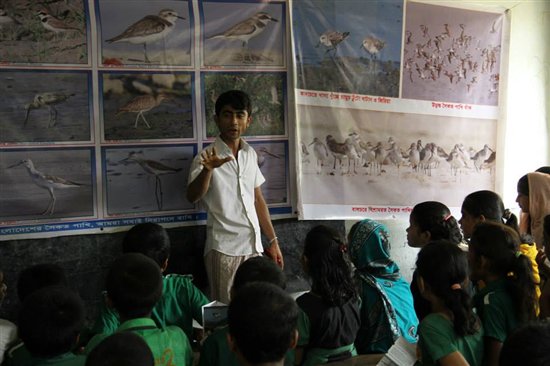
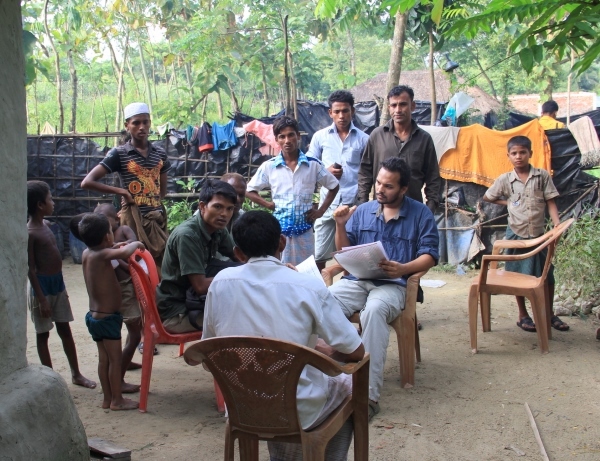
A former hunter instructs students on shorebirds and their conservation needs.

A former hunter has a new means to earn his livelihood. photo credit: BSCP
Map of project locations
Videos
Children in 8 countries learn about the critically endangered Spoon-billed Sandpiper and help make an animated video about it.
A superb 5-minute unnarrated video by the Cornel Lab:

Similar Projects
Deploying strategic security and technology to save rhinos
Find Out More
Mali Elephant Landscapes – Paysages des éléphants du Mali
Find Out More