
Goal:
To halt deforestation and reverse degradation of the Kijabe Forest by improving forest management and working collaboratively with local communities.

Conservation Value:
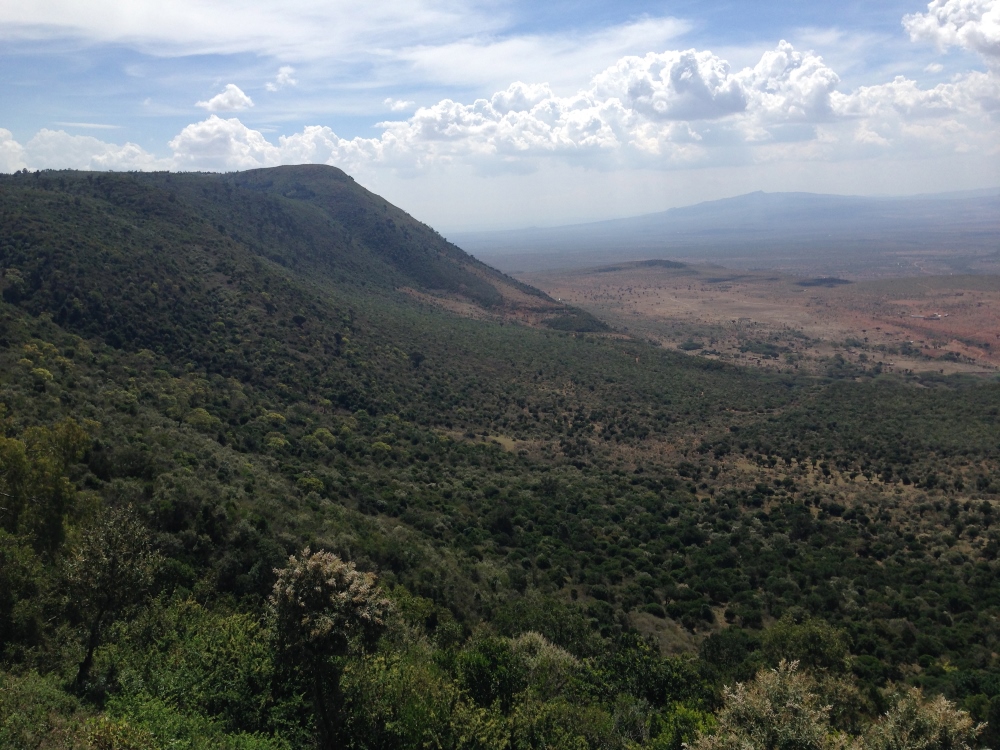
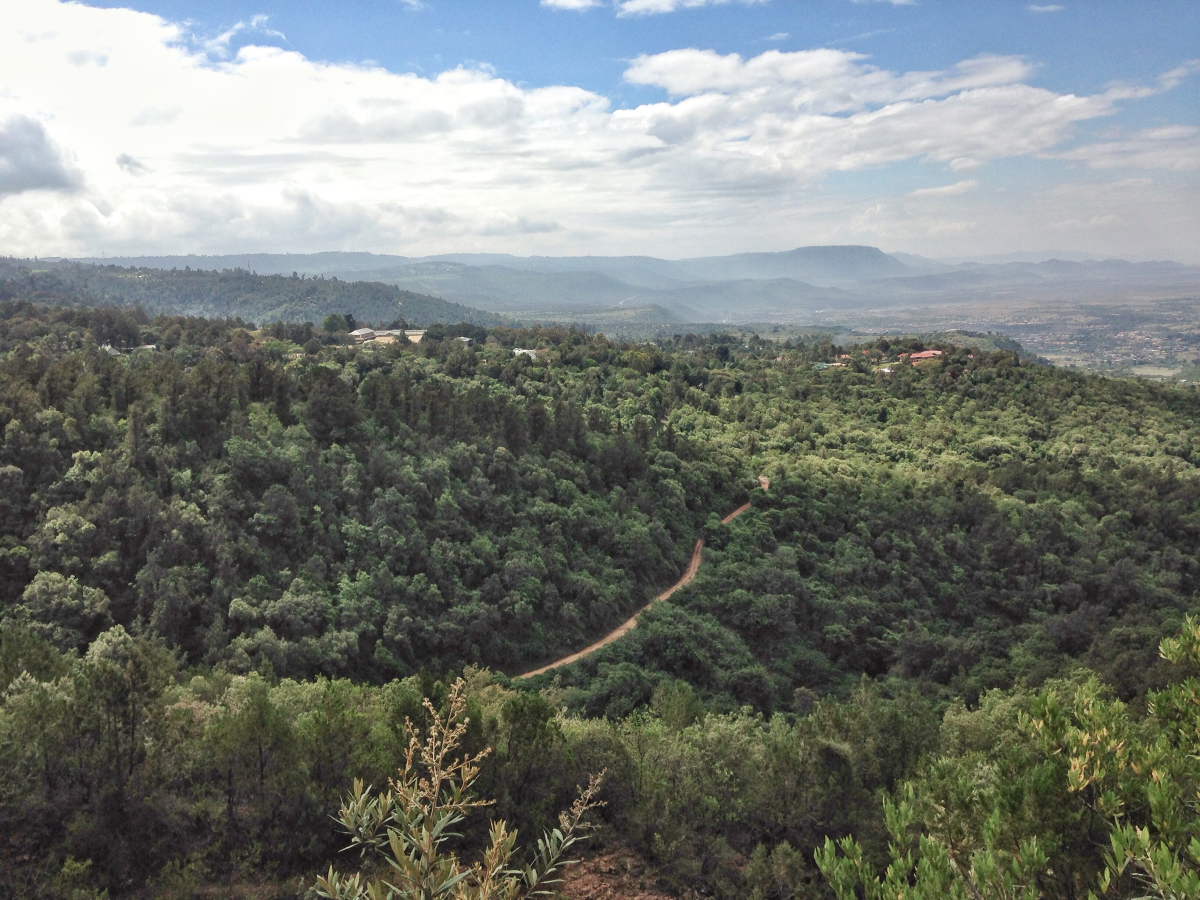
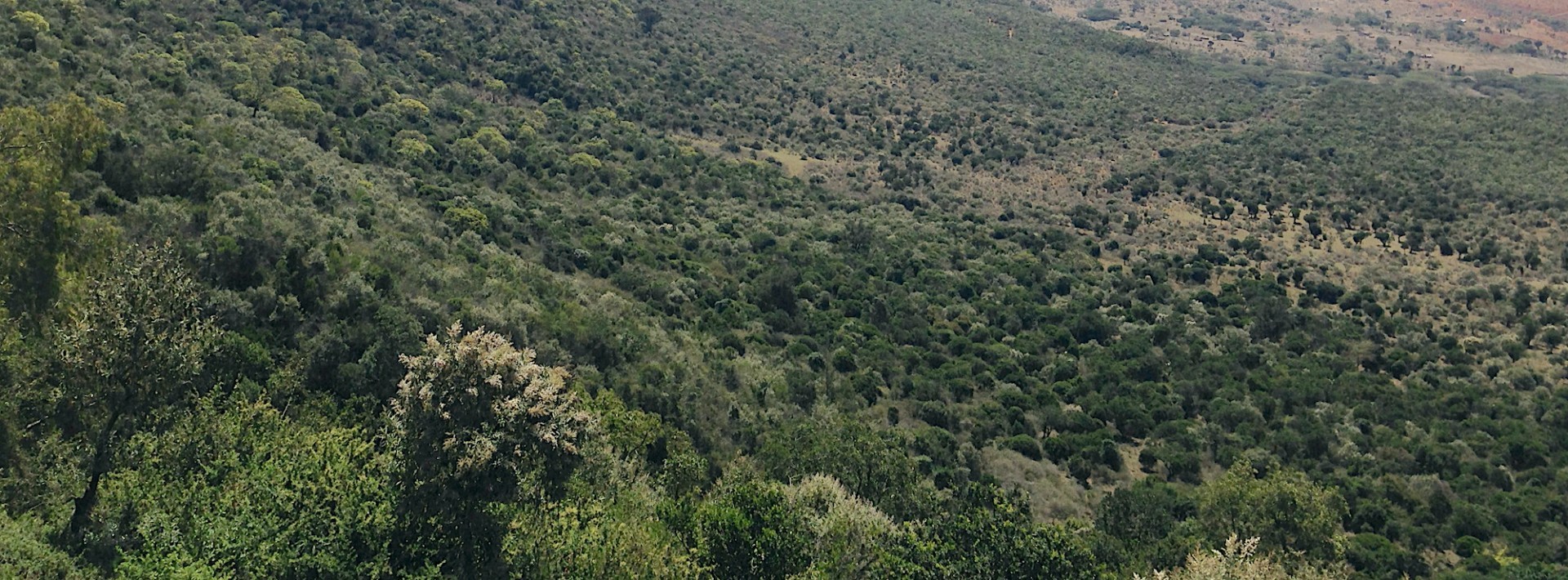
As part of the eastern Afromontane biodiversity hotspot, this dry upland forest is home to a wide array of flora and fauna and is a key transition zone between the mesic upland forests and the drier savannah ecosystems of eastern Africa. Straddling the eastern wall of the Great Rift Valley, the altitudinal variance of roughly 1,000 metres is reflected in floral communities. Key species for conservation include East African sandalwood, African olive, and African pencil cedar.
Read more
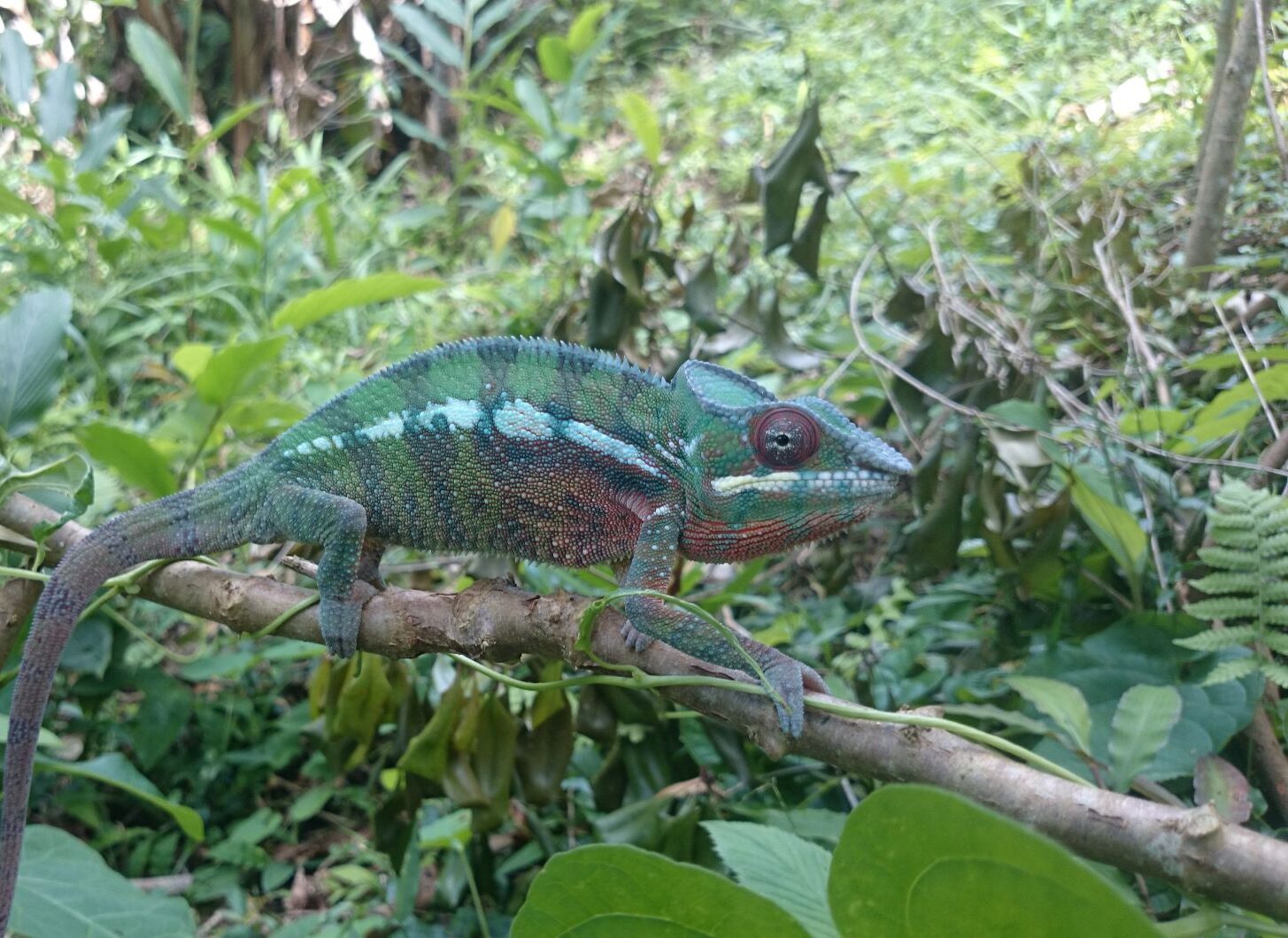
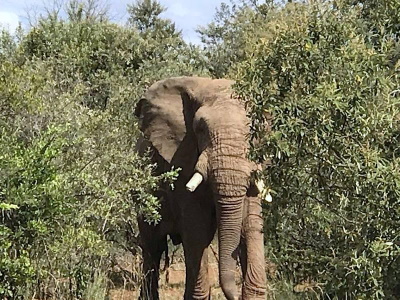
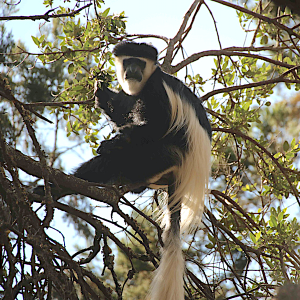
A wide variety of mammals, reptiles and birds have been recorded, including larger mammals such as leopard, spotted hyaena, Maasai bushbuck, suni, eland, honey badger, aardvark, and black and white colobus. Kijabe Forest is part of the Kikuyu Escarpment Forest Important Bird Area, designated by Birdlife International. The forest also provides significant ecosystem services to surrounding communities. These include hydrological services to an estimated 200,000 people in the catchment area, as well as carbon cycling, soil stabilization, and forest products such as fuelwood, seeds, and honey.
Threats:
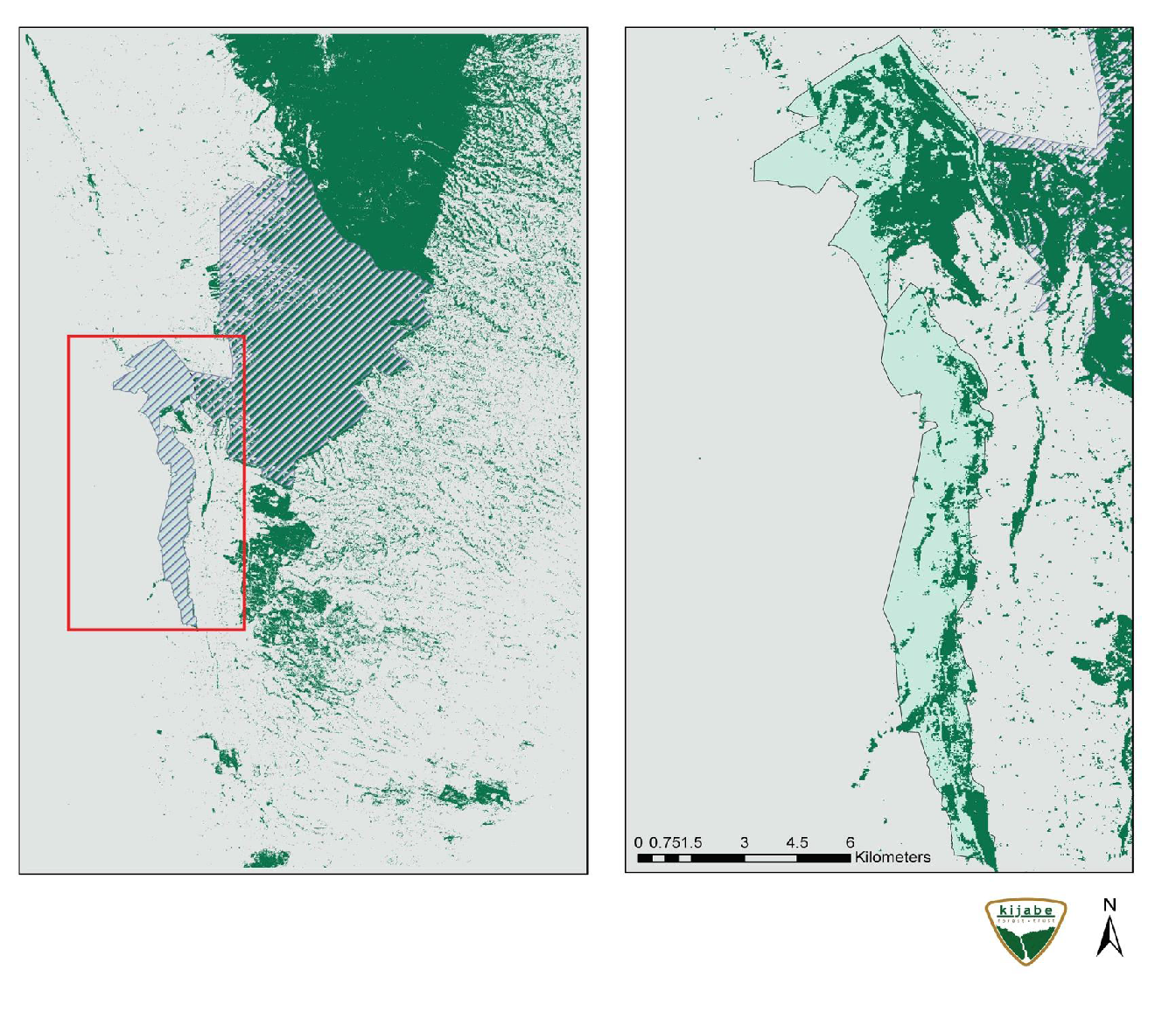
The Kijabe Forest was historically connected to the Kikuyu Escarpment Forest Reserve, however, the Kijabe Forest strip has become geographically isolated due to encroachment, resource pressures, and land use change. Kijabe Forest falls under the management of the Kenya Wildlife Service, but due to geographic and financial constraints, the forest had largely been unmanaged in recent decades.
Actions & Results:
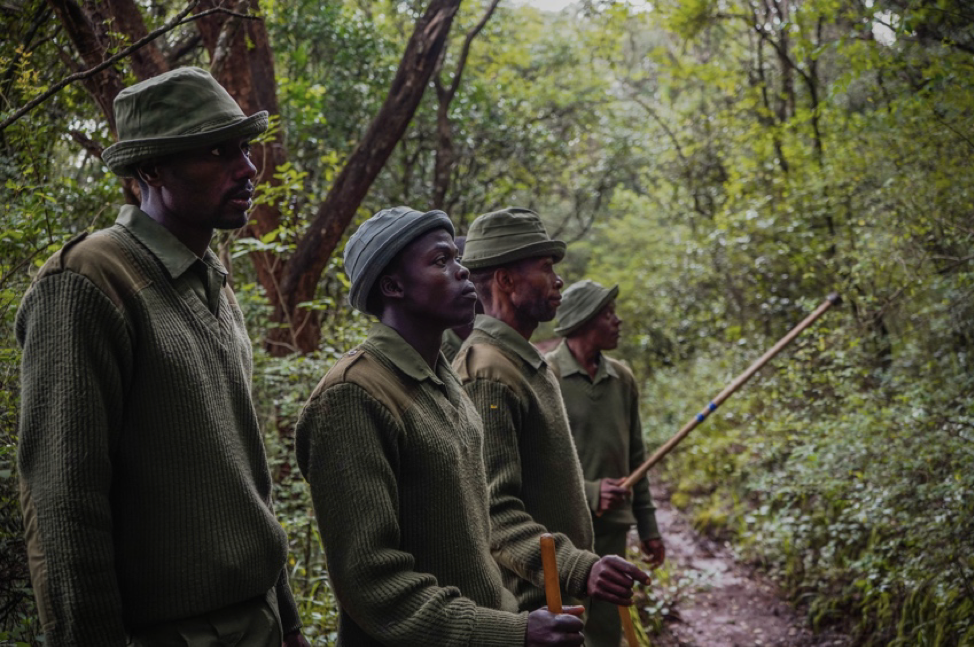
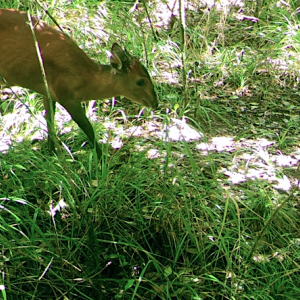
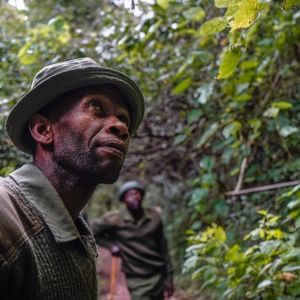
- Ranger teams have patroled daily since 2017, and continue to maintain a positive presence throughout the landscape. Their daily logs record increased sightings of plains game such as bushbuck, dik-dik, duiker, and warthog, as well as predators such as hyena and leopard. These sightings demonstrate the benefits of the greater level of surveillance from patrols.
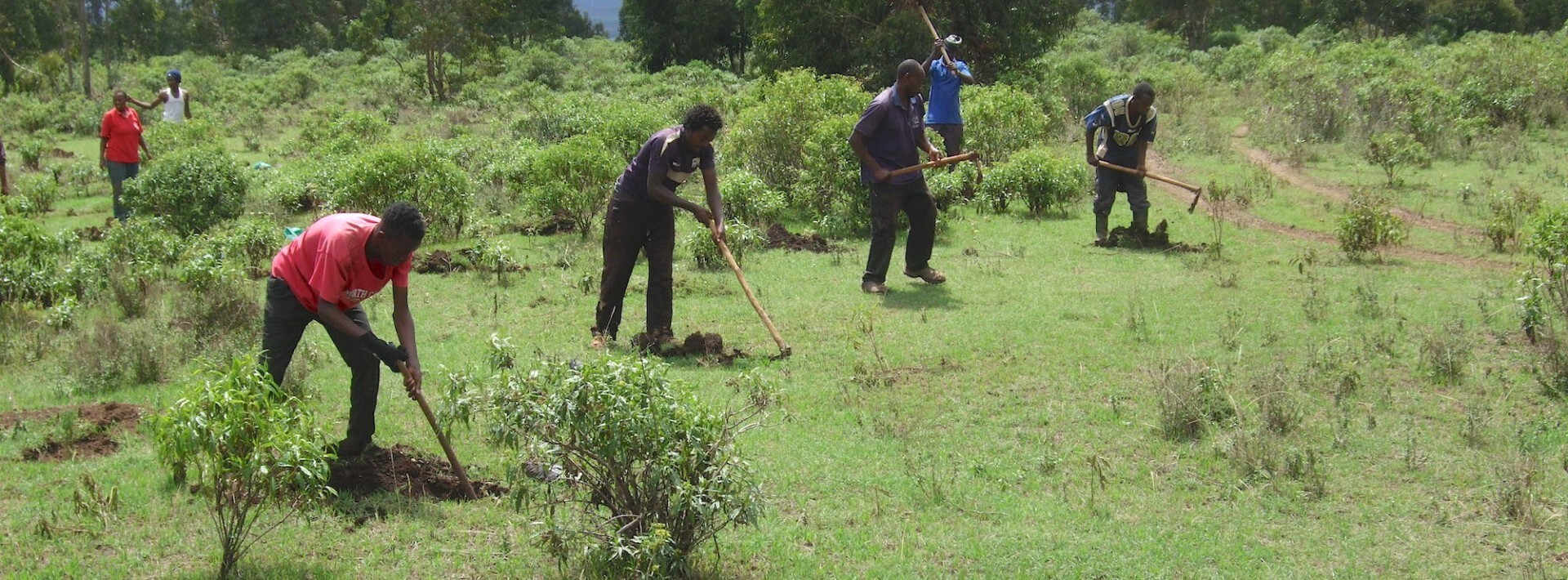
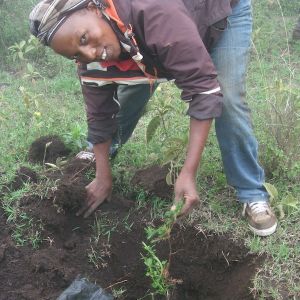
- Habitat restoration is ongoing and rangers and planting teams ensure that previous plantings are being maintained. Restoring the degraded areas helps return the forest to a healthy state enabling it provide the crucial ecosystem services such as carbon sequestration, clean water and habitat provision.
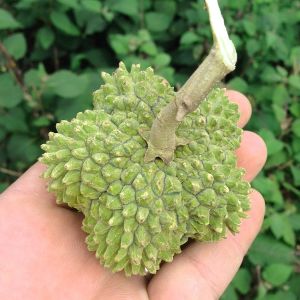
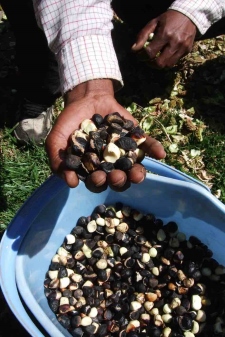
- The project is developing non-timber forest product enterprises with the surrounding communities, including leleshwa oil, pine resin, croton nuts and juniper berries.
- Eco-tourism is starting to take hold in the area, with hikers, rock climbers and mountain bikers bringing income to the neighboring communities.
See 2025 results
2025 Highlights:
- Forest rangers patrolled logged 24,236 km, with rangers removing 294 snares on the way.
- Rangers arrested an illegal poacher carrying 81 snares in his backpack, four charcoal kilns were destroyed, and three suspects who were involved in illegal logging and charcoal production were arrested and handed over to the police.
- Forest fires are collateral damage of charcoal making. The rangers were trained on forest fire management by officials from Kenya forest service fire department. Community members were sensitized on fire handling especially during the fire risk seasons. The fire management system was put to the test this year when rangers used fire stations to battle a forest fire.
- KFT planted indigenous tree seedlings in the degraded areas of the forest, restoring close to 120 hectares. While planting, rangers monitored the forest health and its natural regeneration rate. They were also on the lookout for any alien tree or invasive plant species that might be growing within the forest or on the forest boundary.
- KFT established an essential oils extraction program for women, who are now actively producing and selling essentials oils from different plant materials.
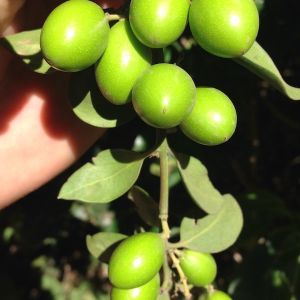
- The procera trees that the project has planted in the past are now producing more berries. The community harvest berries and sell them to the gin making industries, earning substantial income.
Location:
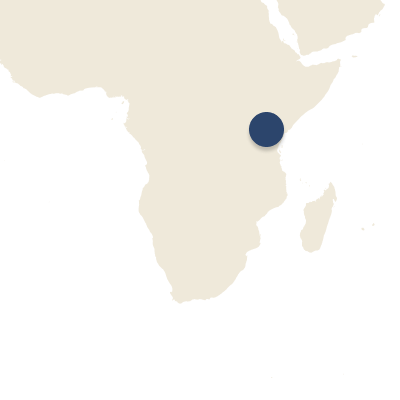
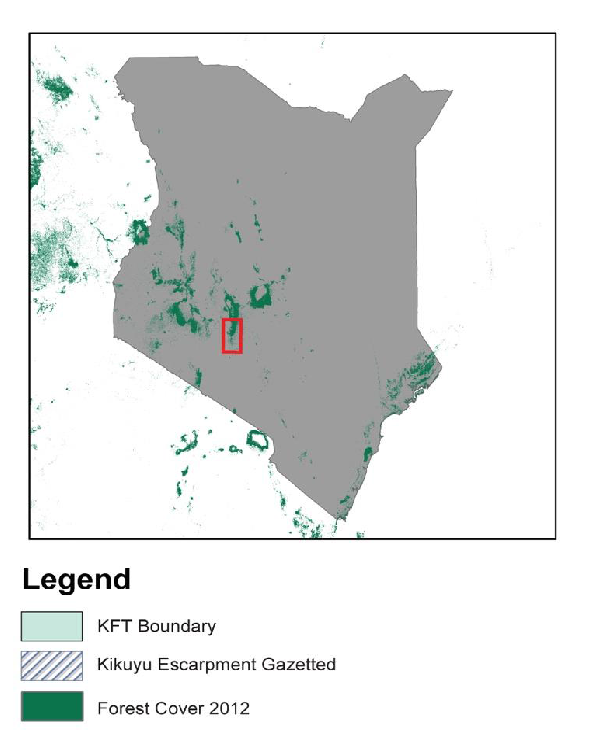
Kijabe Forest, Kikuyu Escarpment, central Kenya
Size of Area Involved:
~ 5,000 hectares
Project Field Partner:
Our Investment to Date:
Cost (2017-2025): CA$764,312
Budget in 2026: CA$127,800
Gallery



In More Depth...
Map of Project area
Threats
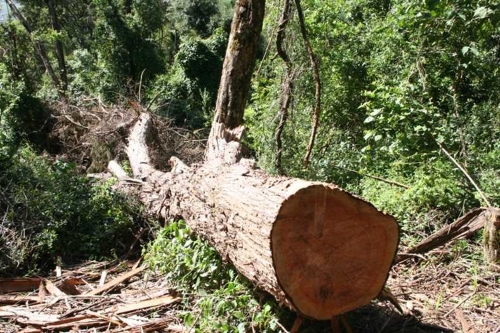
A juniper (Juniperus procera) felled for timber
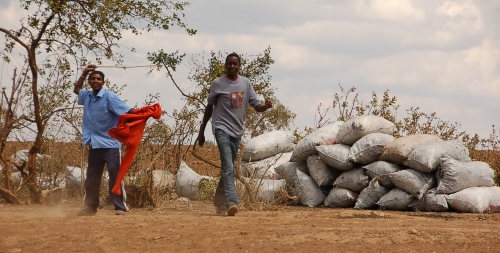
Charcoal commerce is a cause of deforestation
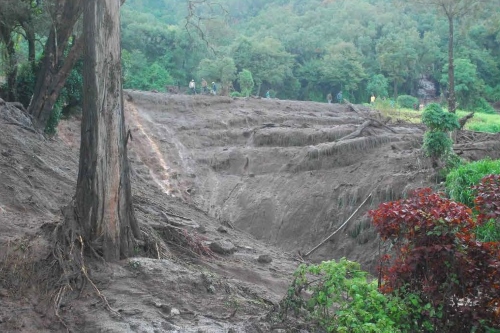
The landslides of 2013 devastated communities and cut off access to Kijabe Hospital.
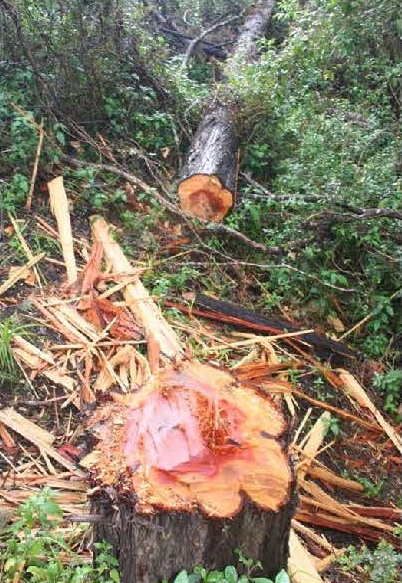
Demand for cedar posts is another driver of deforestation.
Non-timber Forest Products
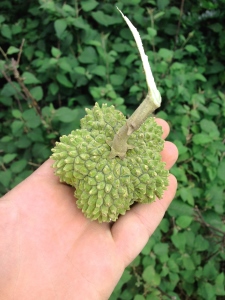
Cape chestnut seeds are a high value product
Landscape images