Goal:
To increase the nesting success of sea turtles through community-based conservation and education

Conservation Value:
This project improves the reproductive success of several threatened sea turtles: olive ridley (VU), leatherback (VU), hawksbill (CR), and the Pacific black sea turtle (EN), a subspecies of the green turtle. Sea turtles play key ecological roles in varied marine ecosystems including seagrass beds and coral reefs. Breeding females emerge from the ocean only once per year to nest in the sand. Approximately 50 days later, dozens of hatchling sea turtles return to the sea. Sea turtles have been important to the culture and economy of coastal communities through egg collection and, more recently, tourism.
Threats:
Sea turtle eggs are a highly-valued food in traditional Nicaraguan culture. Egg and nest collection is an activity that has been practiced for generations, but is now taking place at unsustainable rates. The local community of Salinas Grandes has turned instead to conservation efforts.
Actions & Results:
Conservation work at Salinas Grandes has prevented the loss of most or all sea turtle eggs would have probably ended up on the black market for consumption. The project is both aiding sea turtle populations and inspiring the next generation of young conservationists at Playa Salinas Grandes.
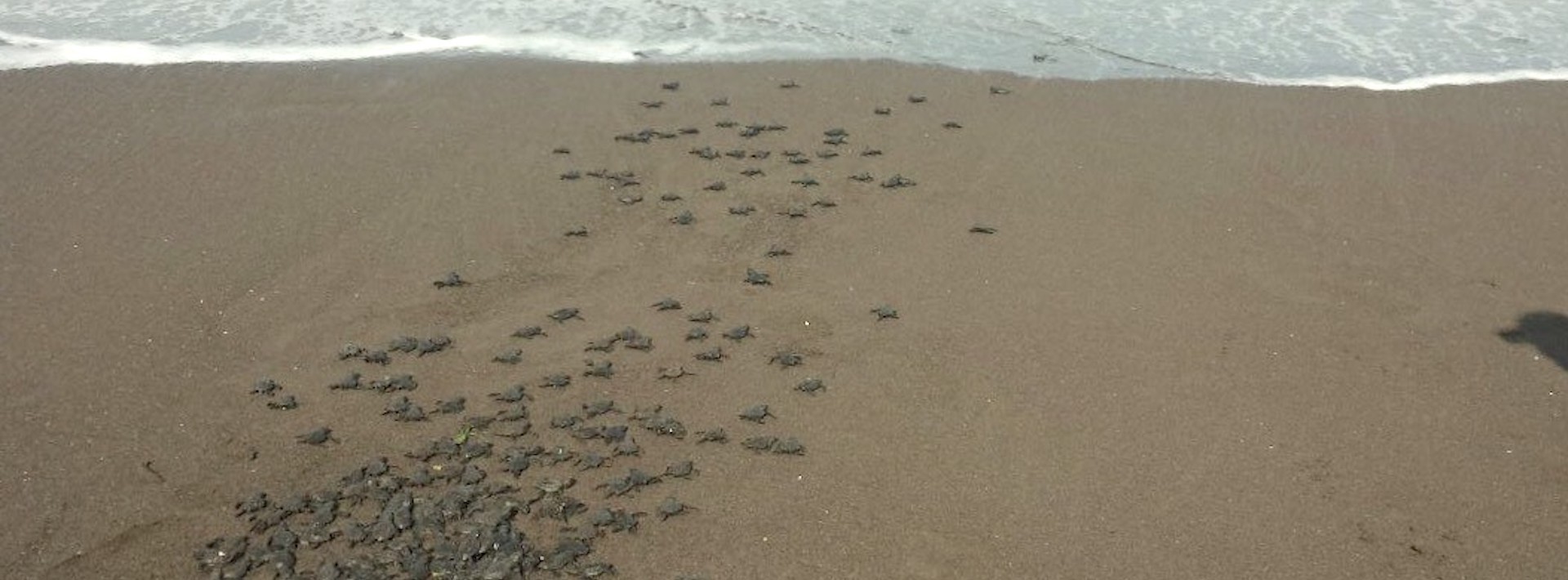
In 2025, the project’s hatchery had a 90% success rate, with 16,123 hatchlings safely released to the sea. Project personnel recorded an increase in the “arribadas” of the Vulnerable olive ridley sea turtle (Lepidochelys olivacea).
Salinas Grandes has the only hatchery operating between the months of April and August at beaches near the city of León (26 km from Playa Salinas Grandes). All other nurseries in the region begin operations in mid-August, during the height of the sea turtle arribada—a mass synchronized and sea turtle nesting phenomenon, common to both the olive ridley and Kemp’s ridley sea turtles.
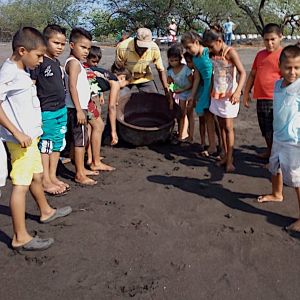
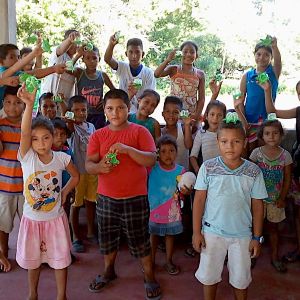
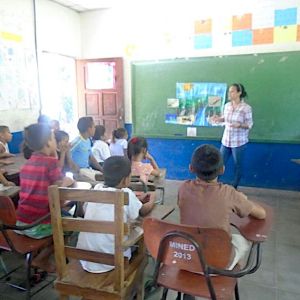
The project’s education component is making a difference. Project staff have seen an increased awareness of the need for sea turtle conservation and an overall positive change in the behavior of local children who participate in the project’s Sea Turtle Environmental Education and Protection Program.
Location:
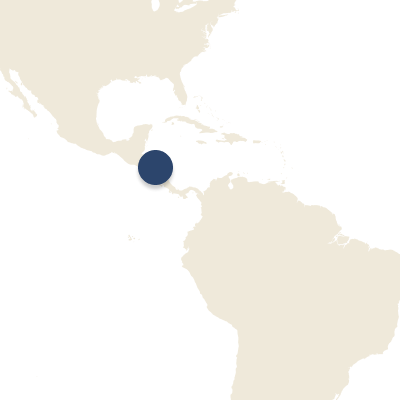
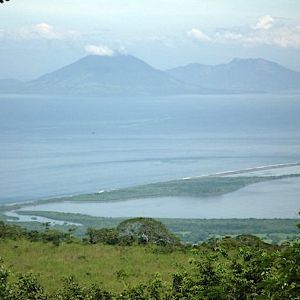
‘Playa’ Salinas Grandes is located on Nicaragua’s Pacific coast, adjacent to the community of Salinas Grandes, Departamento of León
Size of Area Involved:
8 km of beach
Project Field Partner:
Gabriela Paredes, Lucia Balladares, Antonia Duarte, and Yaoska Torres
Our Investment to Date:
Cost (2020-2025): CA$278,092
Budget in 2026: CA$45,755
Gallery
In More Depth...
Background
Sea turtles are a very important element of global biodiversity. Throughout their life cycle they play specific roles that are integral to varied marine ecosystems including seagrass beds and coral reefs. They also play a significant role in the culture and economy of coastal communities both through the consumption of eggs and meat and more recently through tourism.
Most species of turtles will eventually migrate to coastal habitats rich in food resources, where they graze and grow to maturity. Depending on the species, they can reach sexual maturity between 10 and 15 years, when they migrate from coastal feeding areas to the nesting beaches where they were born. These migrations are conducted every few years by both females as males, and can cross large pelagic regions that are often thousands of kilometers.
Worldwide there are seven species of sea turtles, six of which nest in Nicaragua, the third most important region for turtle nesting, after Costa Rica and Mexico. On Nicaragua’s Pacific coast, four species nest: olive ridley (Lepidochelys olivacea), hawksbill or carey (Erethmochelys imbricata), Pacific green or torita, (Chelonia mydas agassizii) and tora turtle, trunk or laud (Dermochelys coriacea).
Nicaraguans are fortunate to have several beaches on both the Pacific and the Atlantic where turtles come to nest. However, turtles face many threats to survive and nest successfully. Natural mortality occurs from predation by fish, birds, raccoons and octopus. Eggs Human harvesting of turtles and their eggs for food impacts the olive ridley, while hawksbill turtles are exploited for bracelets, necklaces, oil, calipee (cartilage), leather, shell and other curiosities. Turtles also get trapped and suffocate in fishing nets, and thousands of sea turtles die from eating or becoming entangled in non-biodegradable waste, including bottles, balls of oil, balloons, bands packaging and styrofoam. The odds are poor for turtles reaching full sexual maturity.
Turtle eggs have been used by coastal communities for food since pre-Columbian times. By the late 1970s egg harvesting was documented as a serious problem, reaching levels close to 100% in those nesting beaches where there was no protection. Given the serious state of sea turtles, egg collection was prohibited by Ministerial Resolution MARENA (No 45) in 2005. However, pressure from collectors remained significant — close to 100% on beaches where no protective measures are carried out and 10-50% in protected areas.
Trade in sea turtle eggs is a complex issue involving a wide range of social and environmental factors along a supply chain. It thus requires a multi-layered and complex solution.
These projects advance the protection and conservation mainly of Olive Ridley turtles (Lepidochelys olivacea), hawksbill (Erethmochelys imbricata), and green turtles (Chelonia mydas agassizii).
The community of El Rosario is adjacent to an easily accessible 10 km stretch of beach and, due to its remote location, has gone without law enforcement for years. It had become an attractive location for egg collectors from throughout Nicaragua to stay during turtle nesting seasons. It is estimated that 100% of eggs had been harvested before 2007 when foreign tourism/volunteer operations began turtle hatcheries. A proposal from El Rosario’s community leaders in 2016 to ICFC began the annual construction of a community-run hatchery and conservation-based education program for the last 5 years.
A more recent project was proposed in the community of Salinas Grandes by a separate group of concerned local conservationists. The Salinas Grandes project was approved and established in 2020 and, after some trial and error around hatchery location, has been successful in achieving its early goals as well. This project is taking on the ambitious task of employing several full-time egg collectors (hueveros) in 2021 in an effort to curb illegal harvest of eggs. Important relationships with Nicaragua’s Ministry of the Environment and Natural Resources (MARENA) have been established and have increased the level of protection of the beaches in and around the area.
Actions & Results
In both projects:
- Turtle nesting areas have monitored with day and night patrols to reduce/eliminate illegal harvesting of turtle eggs
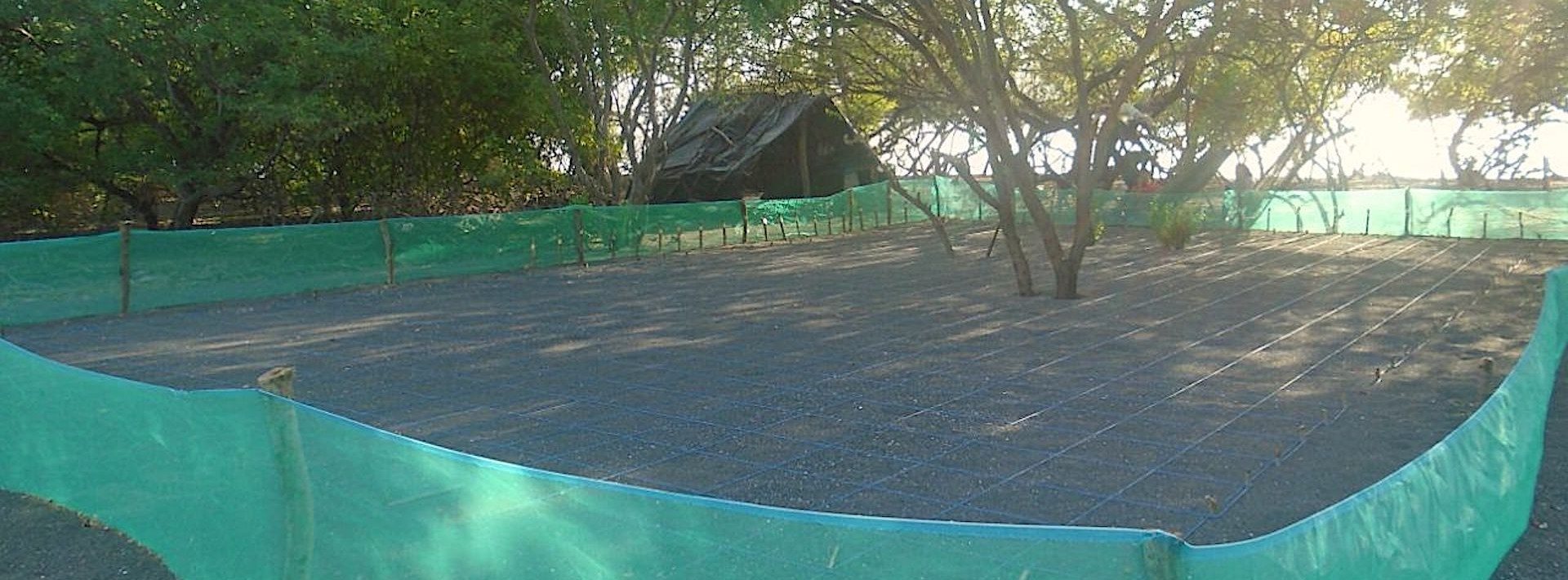
- Community-led turtle hatcheries are constructed and monitored around the clock throughout the 10 month nesting season
- Eggs are collected by employed egg collectors and also purchased from freelance egg collectors
- Eggs are re-located to the hatcheries, where they are carefully re-established in the sand and protected by the hatchery 24/7
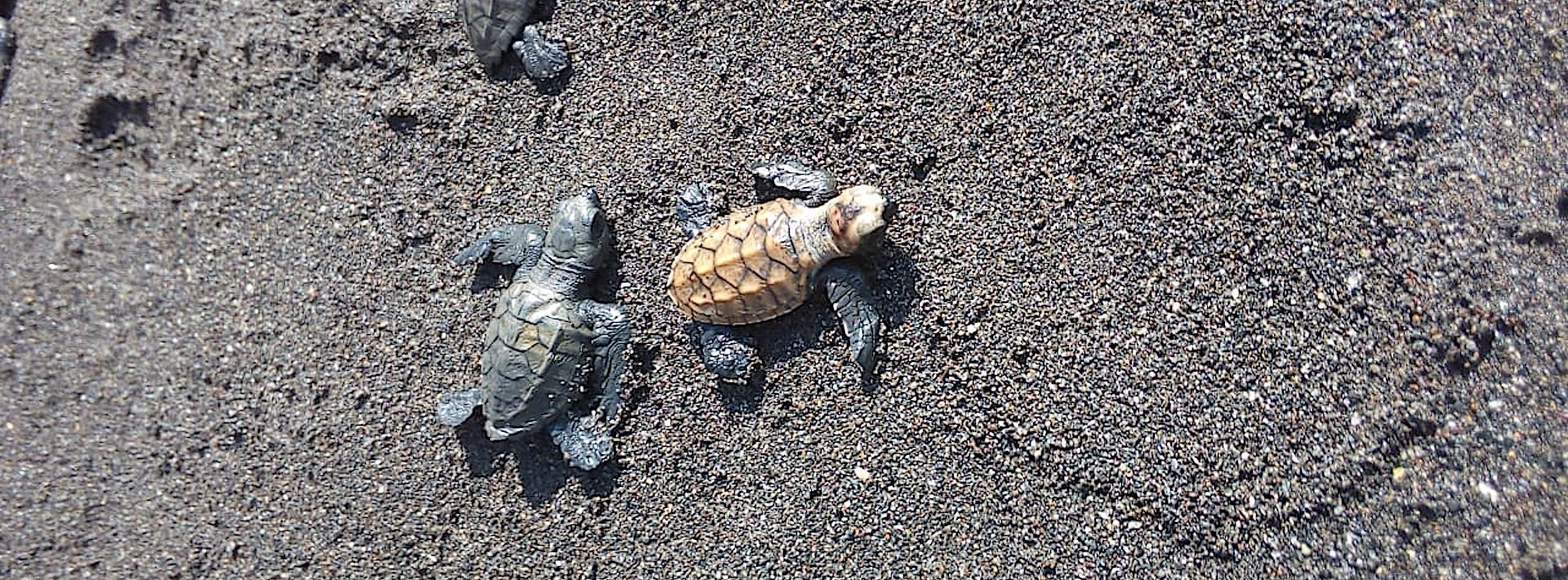
- As hatchlings emerge, they are measured and counted and released to the ocean by project participants to ensure they make it safely into the surf
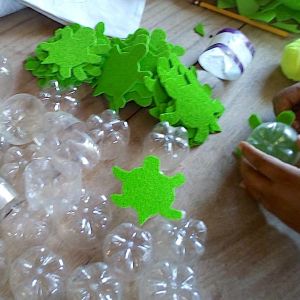
- Education programs are delivered in the local school as well as activities for adults to encourage stewardship of the coasts: signage and litter collection campaigns
- Government officials from MARENA have been supportive of the projects and provided permissions
The following tables provide year-to-year data on (1) eggs re-located to hatchery; (2) hatchlings released from hatchery; and (3) hatching success rate.
El Rosario
| Year | Eggs relocated | Hatchlings released | Hatching success |
| 2020 | 12,000 | 11,880 | 99% |
| 2019 | 7,734 | 6,962 | 90% |
| 2018 | 14,280 | 13,134 | 92% |
| 2017 | 23,178 | ~15,000 | 65%* |
| 2016 | 12,270 | 10,585 | 86% |
| * hatching success was impacted in 2017 by Hurricane Nate which buried the hatchery in nearly 1 metre of sand | |||
Salinas Grandes
| Year | Eggs relocated | Hatchings released | Hatching success |
| 2020 | 10,260 | 7,728 | 73% |
Threatened species at project sites
The following species (with IUCN Red List status) are found at Salinas Grandes:
- olive ridley (Lepidochelys olivacea) Vulnerable, decreasing
- leatherback (Dermochelys coriacea) Vulnerable, decreasing
- hawksbill sea turtle (Eretmochelys imbricata) Critically Endangered
- Pacific Black Sea Turtle (Chelonia mydas agassizii) Endangered

Similar Projects
Deploying strategic security and technology to save rhinos
Find Out More
Mali Elephant Landscapes – Paysages des éléphants du Mali
Find Out More