

Goal:
Conserving Lake Malawi’s threatened and economically important fish by empowering communities that now play a central role in managing fisheries along most of Malawi’s waterfront.

Conservation Value:
Lake Malawi is the world’s ninth largest freshwater lake and a biodiversity hotspot with more fish species than any other lake in the world. Of its approximately 1000 species, 90% are endemic. The Lake’s fish are an important food source for millions and yet three of the four species of “Chambo,” the most important food fish, are critically endangered.
Threats:
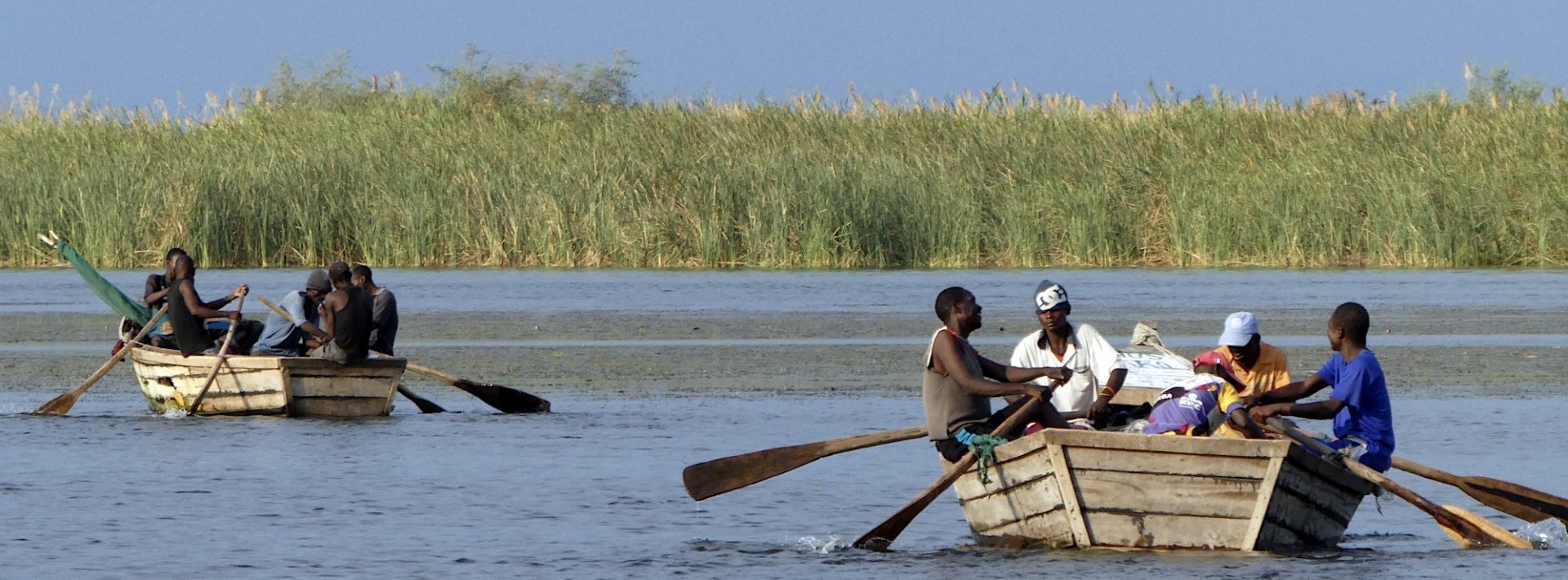
Lake Malawi’s fisheries have become over-exploited and the response of fishermen has been to increase effort, using longer nets with smaller mesh sizes (including mosquito nets). Fish are caught before they have a chance to grow and breed and some species are now classified as endangered or vulnerable on the IUCN Red List. The problem has been exacerbated by a lack of government funds to enforce fishing regulations. As the Lake’s fish are a key source of animal protein for the country’s most vulnerable groups, this has serious nutritional implications. Declining species richness has implications for the resilience and productivity of Lake Malawi’s fisheries, as well as for the overall health of the lake ecosystem.
Actions & Results:
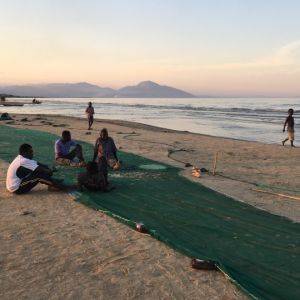
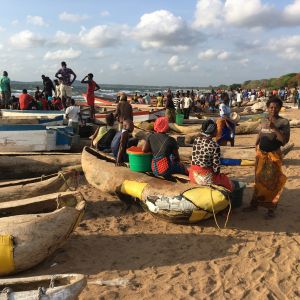
This project has expanded on an ongoing, successful program. Covering 736 kilometers of the lakeshore, Ripple Africa’s Fish for Tomorrow project has helped establish and train 474 Beach Village Committees (BVC) across five districts. This is how communities are taking charge of fisheries management.
The solution to unsustainable fishing has involved new bylaws restricting the type and size of net that can be used; protecting fish breeding areas (133 of them!); and having a three-month closed fishery season.
Fishermen are reporting larger catches of bigger fish and are now making more money and can better provide for their families.
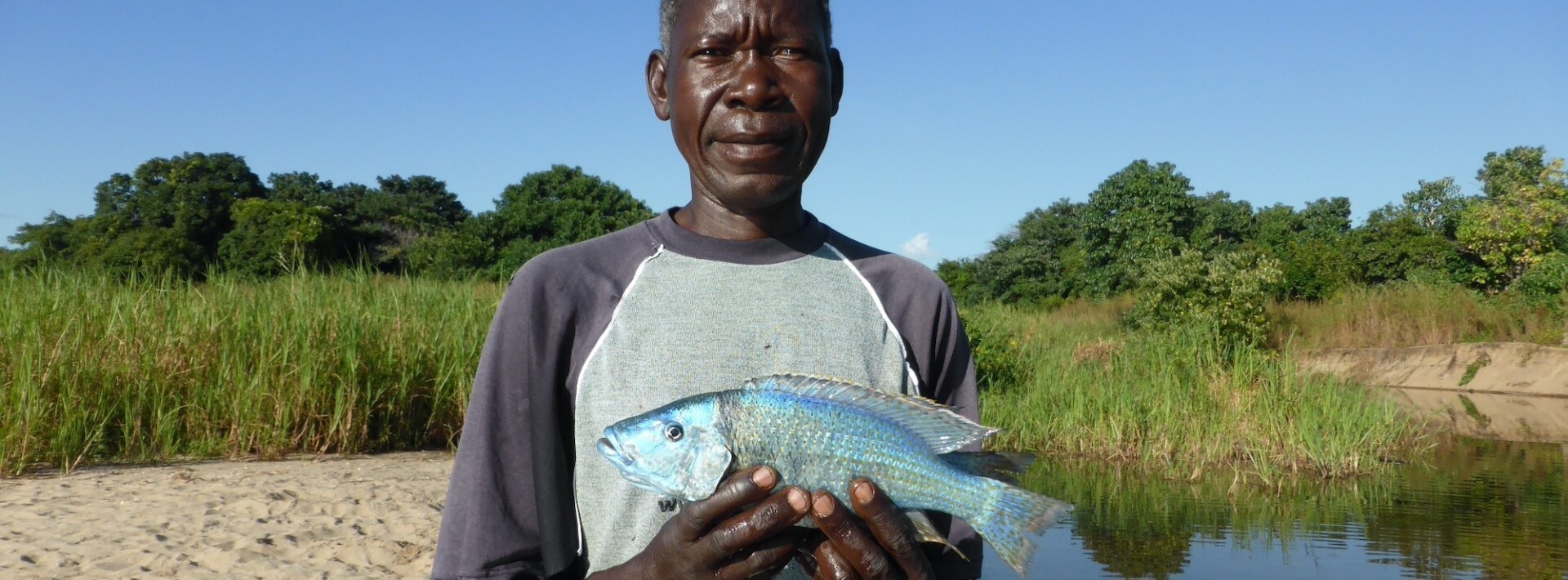
The project focuses on Oreochromis lidole (known locally as chambo) but also benefits other species. By protecting breeding areas and banning fishing with mosquito nets, Beach Village Committees have enabled young chambo, usipa (a sardine-like fish) and utaka to grow larger and breed.
Fishing communities benefit from higher household income from fish catches resulting from healthier and more resilient fish stocks. This provides positive feedback validating the actions taken by the Beach Village Committees. The increased sustainable fish production provides more animal protein, benefiting many more people in Malawi. This matters a lot in a country in which 70% of the people live below the international poverty line.
See videos below.
Location:
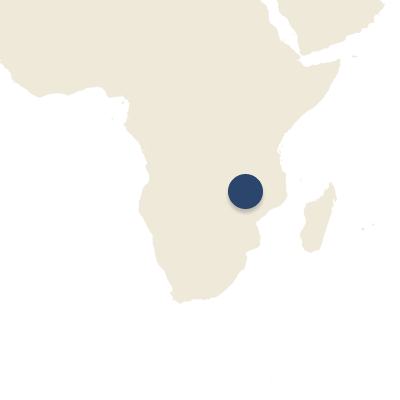
Salima District, Malawi
Project Field Partner:
Our Investment to Date:
Cost (2019-2025): CA$2,905,757
Budget in 2026: CA$525,400
Gallery



Video
Fish conservation in Salima District
In More Depth...
Video: the problem of mosquito nets used in fishing
Video: Communities protecting fish, Lake Malawi

Similar Projects
Ending destructive fishing practices to save marine ecosystems in Cambodia
Find Out More
Increasing nesting success of sea turtles in Nicaragua
Find Out More