Goal:
To extend the community-based protection of fluvial beaches and floodplain lakes to conserve aquatic biodiversity.

Conservation Value:
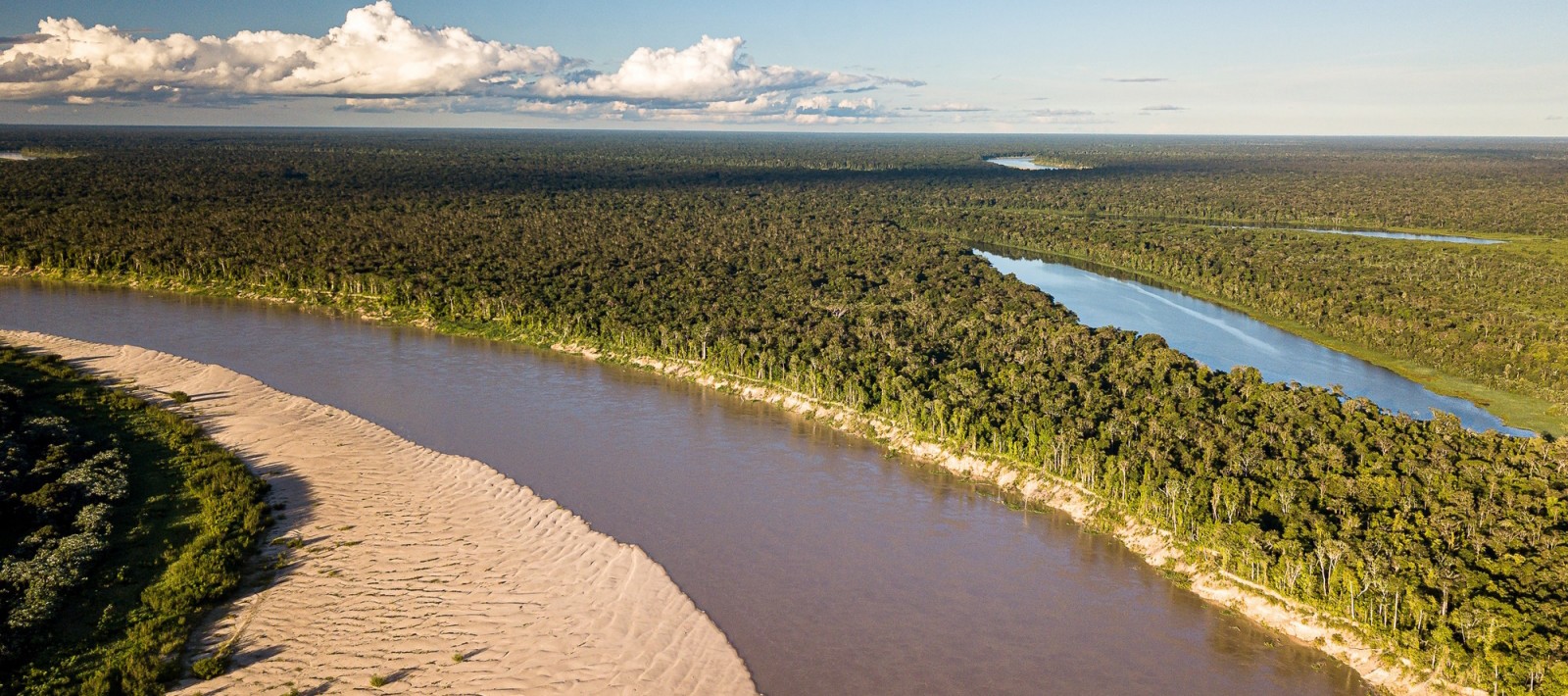
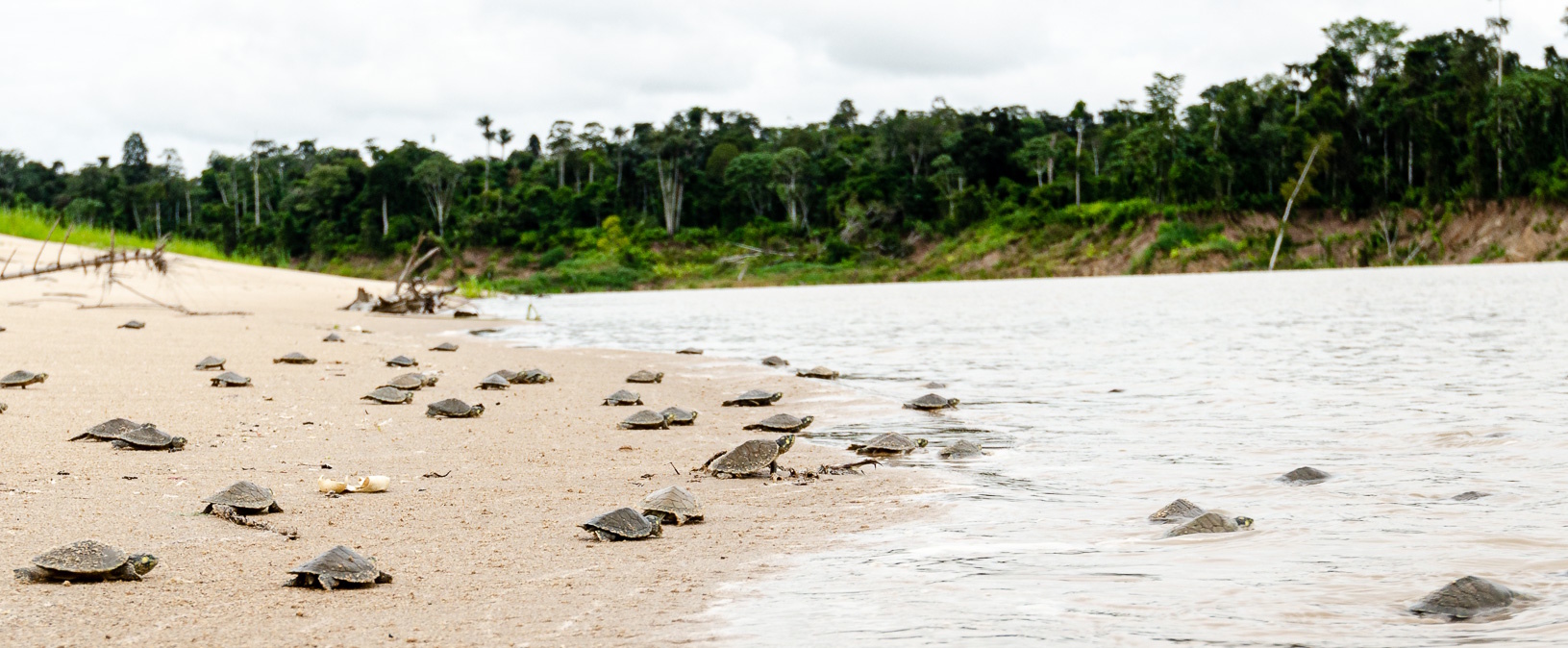
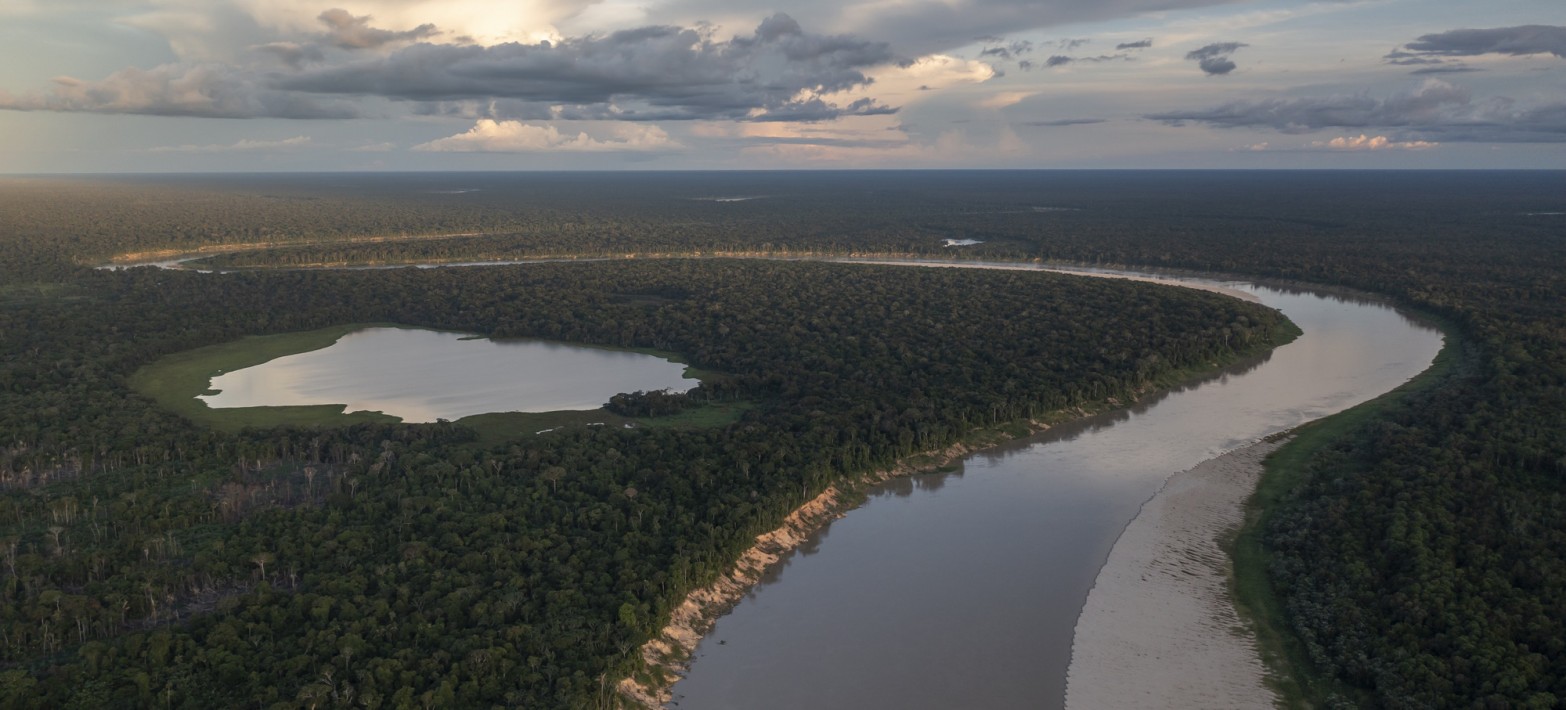
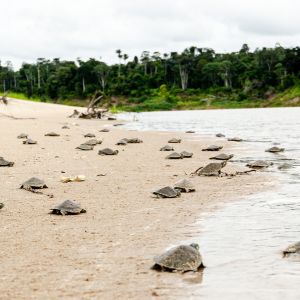
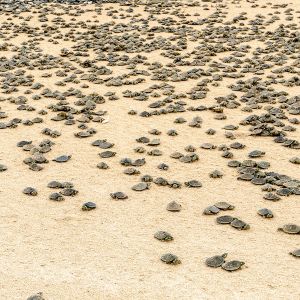
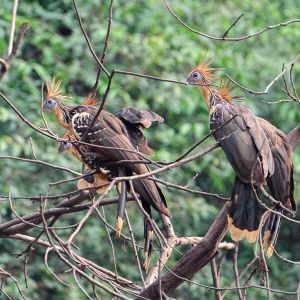
Sand beaches along the river Juruá are important for the reproduction of threatened or overexploited species, including the giant South American river turtle (Podocnemis expansa), yellow-spotted river turtle (Podocnemis unifilis), and six-tubercled Amazon river turtle (Podocnemis sextuberculata). These fluvial beaches also support breeding areas for the Orinoco goose (Neochen jubata), black skimmer (Rynchops niger), large-billed tern (Phaetusa simplex), migrants such as sandpipers and osprey (Pandion haliaetus) and other specialty species. Indeed, this is a proiority area of the Amazon for many resident and migrant bird species.
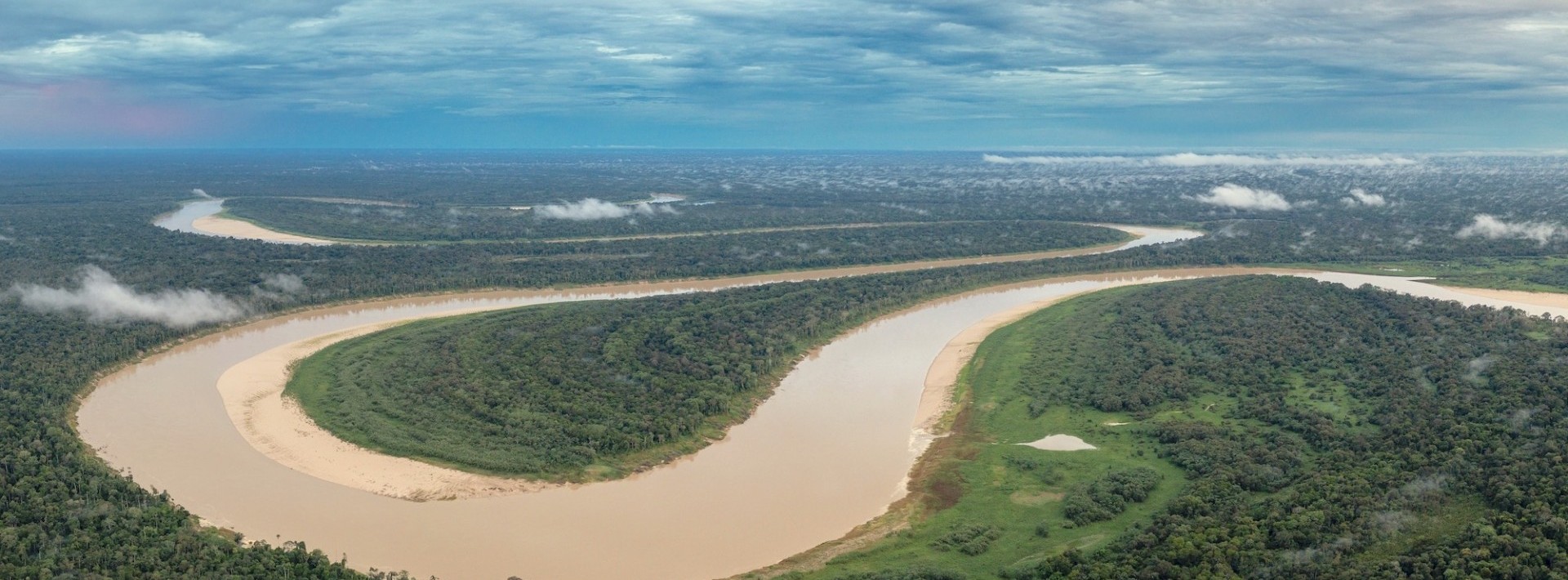
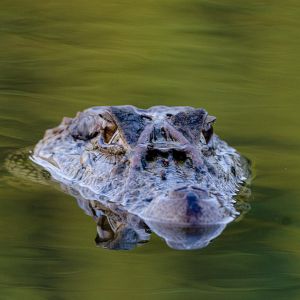
The many oxbow lakes provide critical habitat for the reproduction of fish, notably pirarucú (Arapaima gigas), and feeding sites for turtle hatchlings and waterbirds. Other large aquatic vertebrates that we are protecting are black caiman (Melanosuchus niger), Amazonian manatee (Trichechus inunguis), giant otter (Pteronura brasiliensis), and amazon river dolphin (Inia geoffrensis)
Threats:
Illegal fishing and poaching are the main threats.
Actions & Results:
In 2025, Biome’s partner Instituto Juruá continues to advance a landscape-scale conservation model that combines community-based natural resource management, territorial governance, biodiversity conservation, and livelihood development across the Juruá and neighboring river basins. Key advances include:
• Fairtrade Certification of Freshwater Fisheries: For the first time in history, a freshwater fishery in the Amazon achieved Fairtrade certification, involving more than 600 small-scale fishers. Instituto Juruá acted as the implementing partner, ensuring compliance with rigorous social, environmental, and governance standards. This milestone not only recognizes the sustainable practices of local fishing communities but also opens access to premium international markets, increasing visibility and fair compensation for their work while setting a precedent for other fisheries in the region.
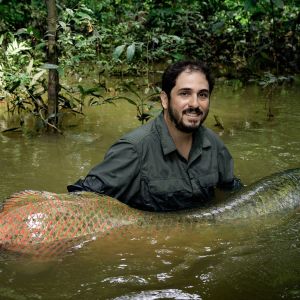
• Community Training on Arapaima Stock Assessment: A certification course on standardized pirarucú (Arapaima gigas)—the world’s largest scaled freshwater fish—counting methods recently trained 40 local fishers, including Kulina indigenous participants. This capacity-building initiative ensured that fishers themselves generate reliable data to guide management decisions. By strengthening local technical expertise, communities gain autonomy in resource management and official management plans gain credibility. Ultimately, this reinforces both territorial governance and sustainable harvests.
• Capacity-Building for Turtle Conservation: A major training workshop recently engaged 70 community monitors in the first integrated initiatives for turtle conservation, covering both egg protection and management of juvenile and adult individuals. This training equipped monitors with technical and organizational skills, empowering them to safeguard turtle nesting sites and ensures sustainable population recovery. Beyond species conservation, this initiative strengthened local leadership, environmental education, and long-term resilience of floodplain ecosystems.
• Science Communication and Youth Engagement – Turma do Juruá (Juruá Crew): Two new episodes of Turma do Juruá—an innovative educational media series—were recently completed. Designed to blend science communication with storytelling, the series reached more than 60 rural communities and over 1,500 children. By making complex ecological knowledge accessible and engaging, the initiative fosters early awareness of conservation challenges and solutions, ensuring that the next generation is empowered to continue its stewardship of Amazonian ecosystems.
Location:
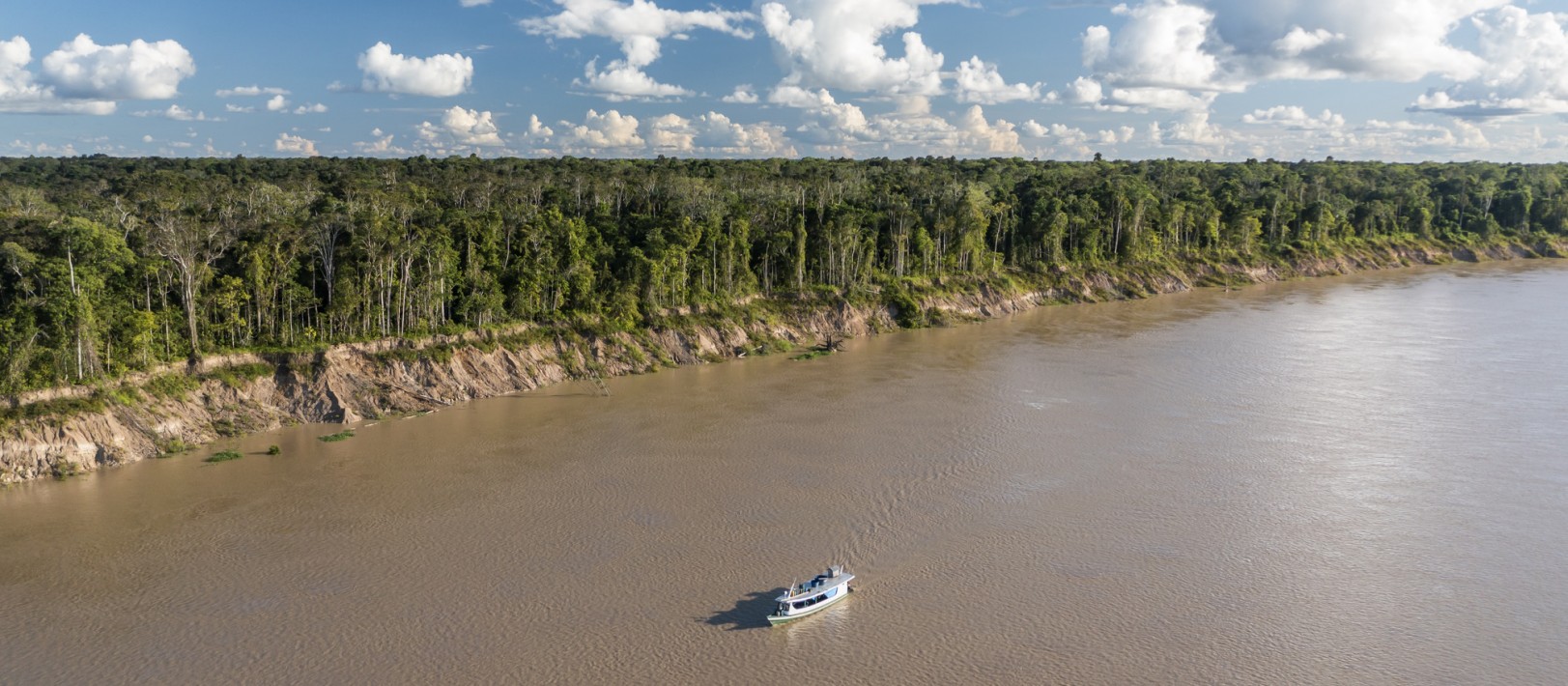
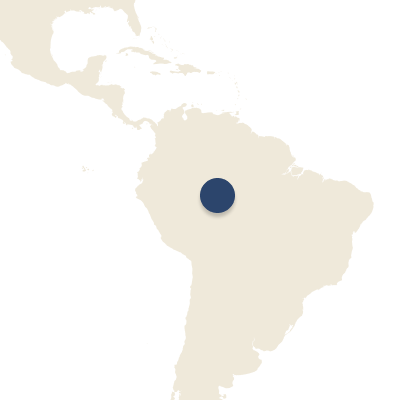
Juruá River, Amazonas, Brazil
Size of Area Involved:
~2,500 km of Jurua river and community-based protection spanning ~200,000 hectares
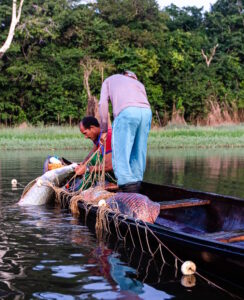
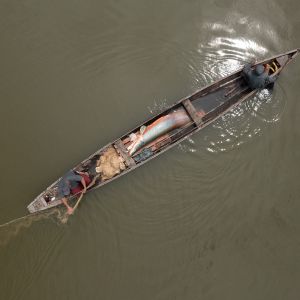
Fishing for pirarucu must be carefully managed due to the species’ high value and vulnerability. This air-breathing fish is the largest scaled freshwater fish in the world, reaching over 3 m in length and over 220 kg in weight.
Project Field Partner:
Our Investment to Date:
Cost to Biome (2023-2025): CA$164,227
Budget in 2026: CA$46,150
Gallery

Similar Projects
Ending destructive fishing practices to save marine ecosystems in Cambodia
Find Out More