Goal:
Improving prospects for conservation by training the next generation of conservation biologists in Latin America.

Conservation Value:
Individual conservation biologists living in developing countries can have a huge impact in bringing conservation about and we need more of them. That is what this program is about.
Threats:
Students in Latin America have few opportunities for field-based training that addresses important conservation issues. Leadership requires personnel with skill sets, experience, and fortitude — characteristics that are not readily acquired in university or other academic settings. Large conservation organizations and academic institutions are increasingly staffed by professionals who are well grounded in theory but have little experience in field conditions.
Actions & Results:
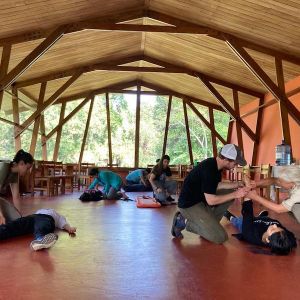
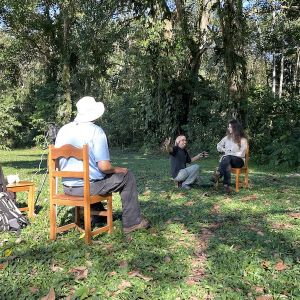
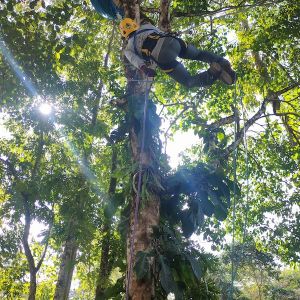
Since 2022, cohorts of students have received training that fosters field biology skillsets at the Manu Biological Station and Wayqecha Biological Station, with visits to Los Amigos Biological Station and Concesión para la Conservación Soqtapat. Training includes:
- fieldwork and survival techniques
- GPS navigation and mapping
- citizen science apps like iNaturalist and eBird
- techniques in data management and statistical analysis, using locally gathered data
- biodiversity sampling strategies, specimen collection techniques, species identification, and experiment planning
- science communication
- fundamentals in tropical ecology, including population dynamics, niche ecology, and species competition theory
- rigors of living and working at a biological research station.
The program gives people the means to advance towards a career in field conservation. The expanding network of alumni are also able to mentor and train others. Some may end up as decision-makers in government or the private or non-profit sectors.
See details on the 2025 training course
2025 summary of training components:
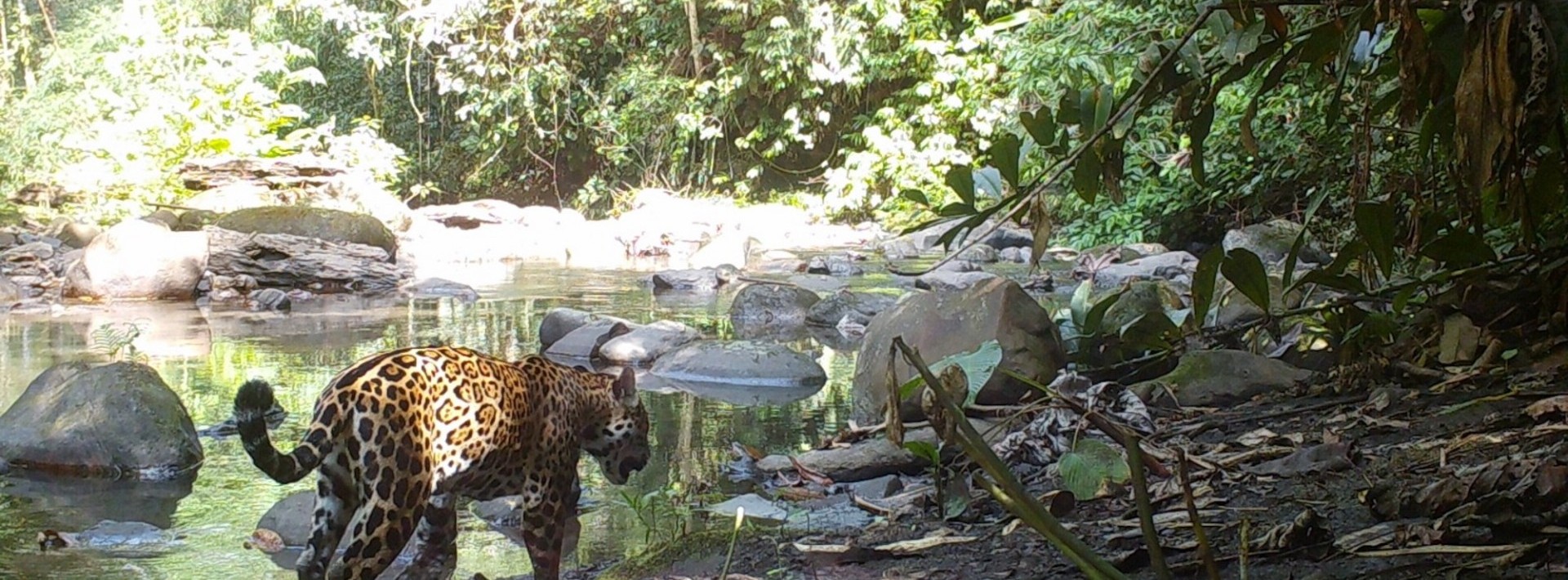
- Andean Bear Monitoring elucidated bear activity, including the location of a bear den and latrine. Fecal samples were collected for various analyses, with fellows gaining skills in identifying signs of animal presence.
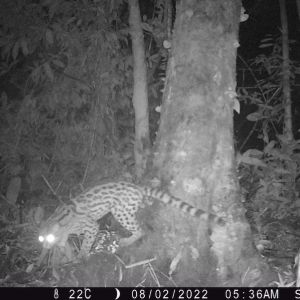
- Fauna Monitoring: Continued monitoring of “Osa Fiona” (Fiona the Bear) offered valuable experience in long-term species tracking and wildlife data collection.
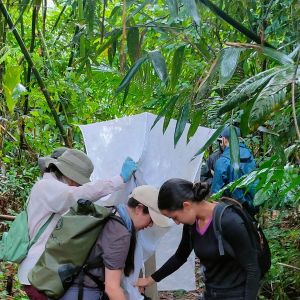
- Entomological Sampling: Fellows learned standard field sampling protocols with installation and collection of data from mammal traps and various entomological traps (Malaise, Pitfall, Pan traps) in designated zones (Trocha Oso, Canopy Zone). They gained familiarity with targeted insect collection methods for ants and baited pitfall traps for coprophagous (dung) beetles, strengthening their understanding of invertebrate ecology and bioindicator taxa.
- Botanical Collection: Collection of Prunus pleiantha, Hesperomeles, and Cecropia fruits. The discovery of Oreocallis grandiflora was significant for the area.
- Seed Germination Protocols: Fellows gained technical skills in all aspects of seed germination protocols for the nursery.
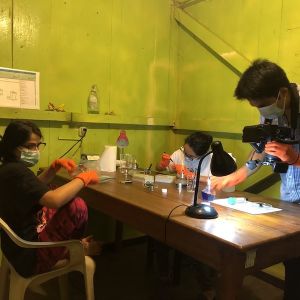
- Seed Analysis: Processing of fecal samples and fruits for viability, germination, tetrazolium tests, and maturation of immature seeds. Germination data analysis (thermal, mechanical, and biological).
- Nursery Management: Improvements to the nursery, including gravel replacement, construction of light protectors, and regular watering. Preparation of substrate for mass production of seedlings.
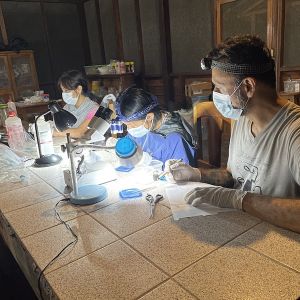
- Herbarium Maintenance: Fellows got exposed to plant specimen curation, the review and maintenance of herbarium samples, including fungal contamination removal and sample curation.
- Data Collection & Analysis: Collection of Prunus pleiantha for accessions, slides, DNA, fruit/flower conservation, and germination tests.
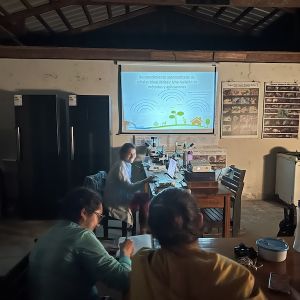
- Training & Education: Fellows took part in workshops on wildlife and botany monitoring, application usage (Epicollet5, FieldMap, QuickCapture), capture and baiting protocols, and first aid, which further prepared them for independent work in remote environments. Fellows also contributed to environmental education, helping prepare outreach materials and enhancing their communication skills.
Location:
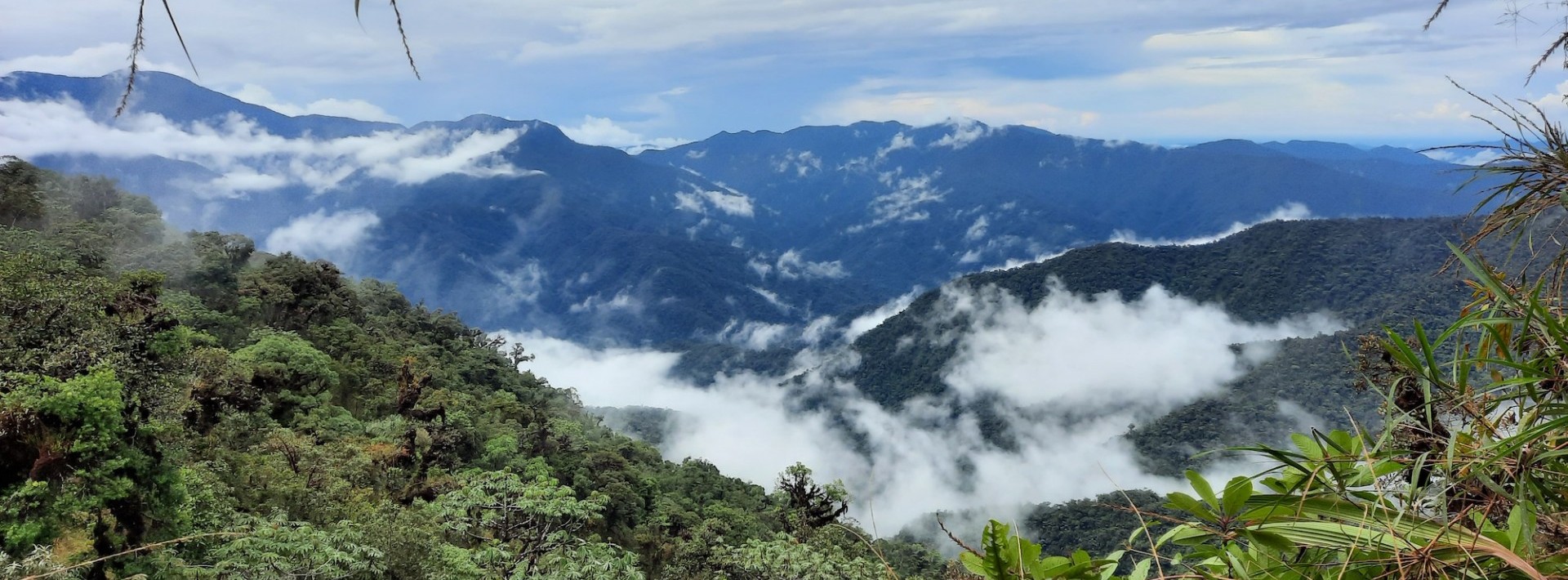
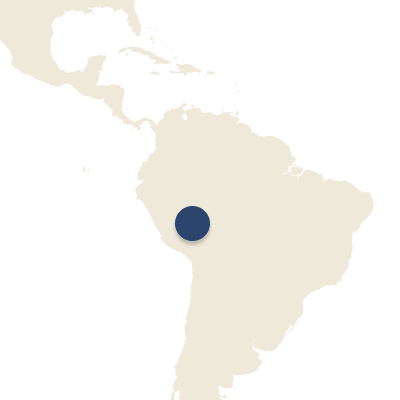
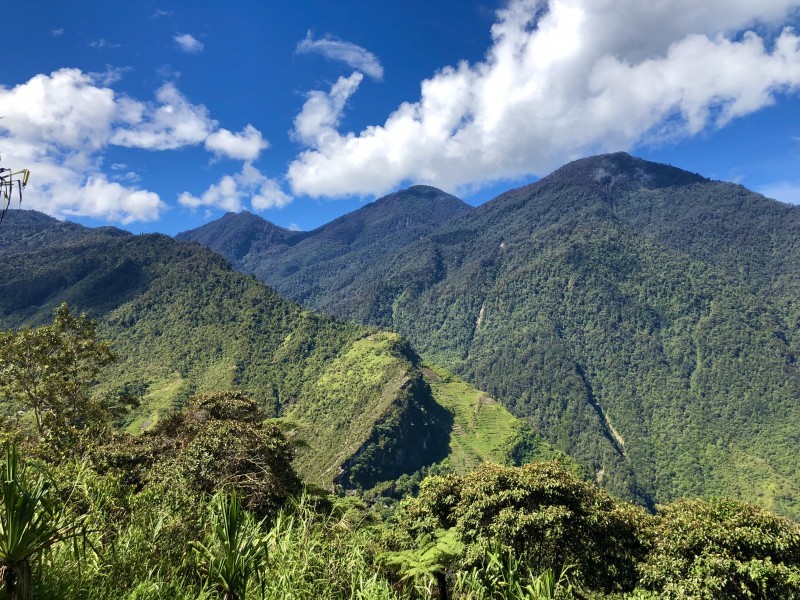
Manu Biosphere Reserve in Southern Peru and other sites
Project Field Partner:
Alejandro Lopera Toro and Adrian Forsyth
Our Investment (CAD) to Date:
Cost (2022-2025): $883,247
2026 budget: $85,200
Gallery

Similar Projects
Halting the deforestation and degradation of Kijabe Forest
Find Out More