Record vulture count recorded in the Rift Valley, Kenya
 June 18, 2026
Field update by Scott Hecker
We have much to report from the Masaai-led vulture conservation project in Kenya.
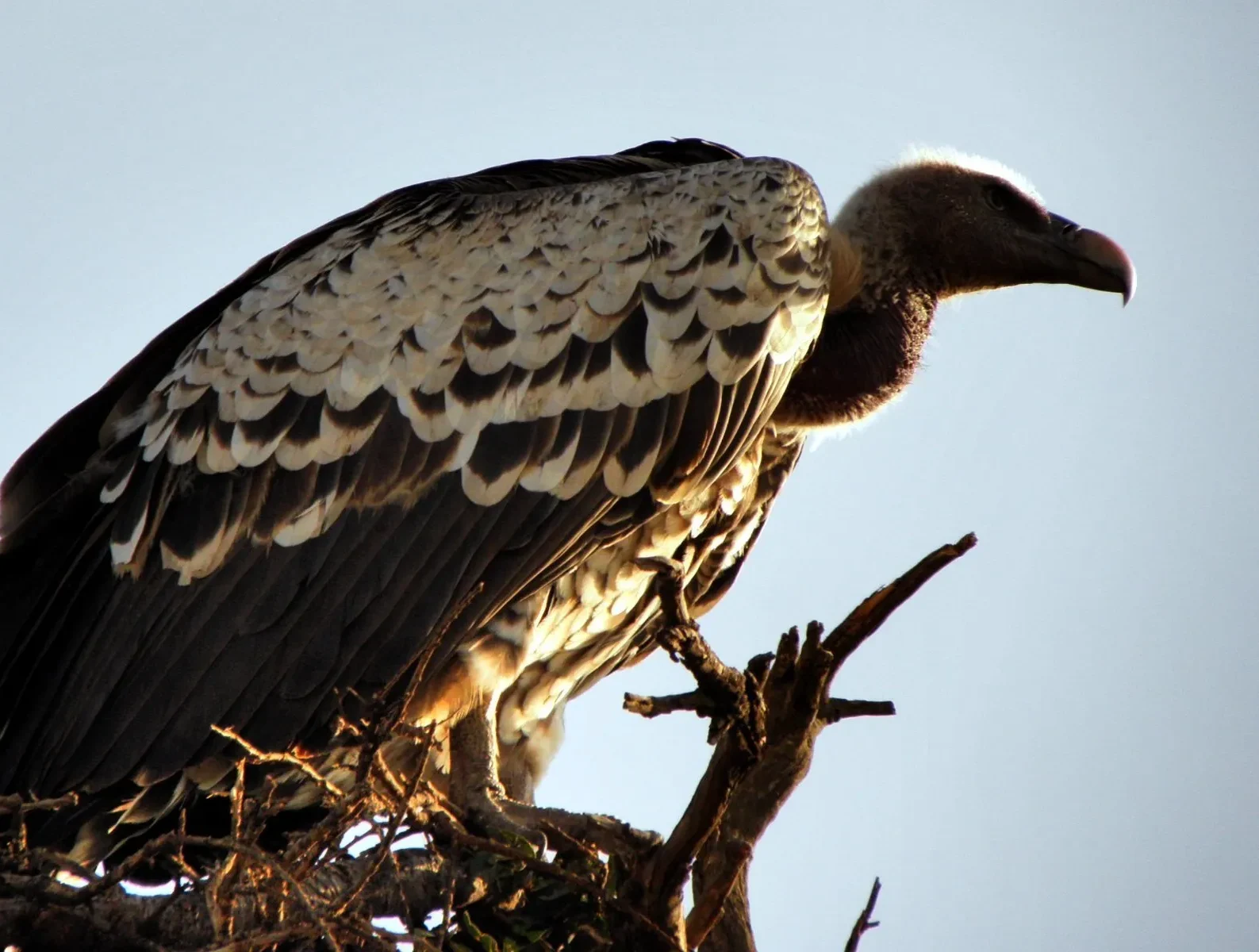
This year marked the highest recorded breeding success for the critically endangered Ruppell’s Vulture. A total of 14 chicks fledged, compared to 8 the year before. The team monitored each individual chick through the entire breeding cycle from egg-laying to brooding to fledging. This year’s outstanding success is a result of intensive patrolling of the nesting cliffs, both along the top of the cliff and below. During the critical chick-rearing stage, 18 guardians monitor the nesting cliffs 24 hours a day to ensure zero to minimal disturbance from people or livestock.
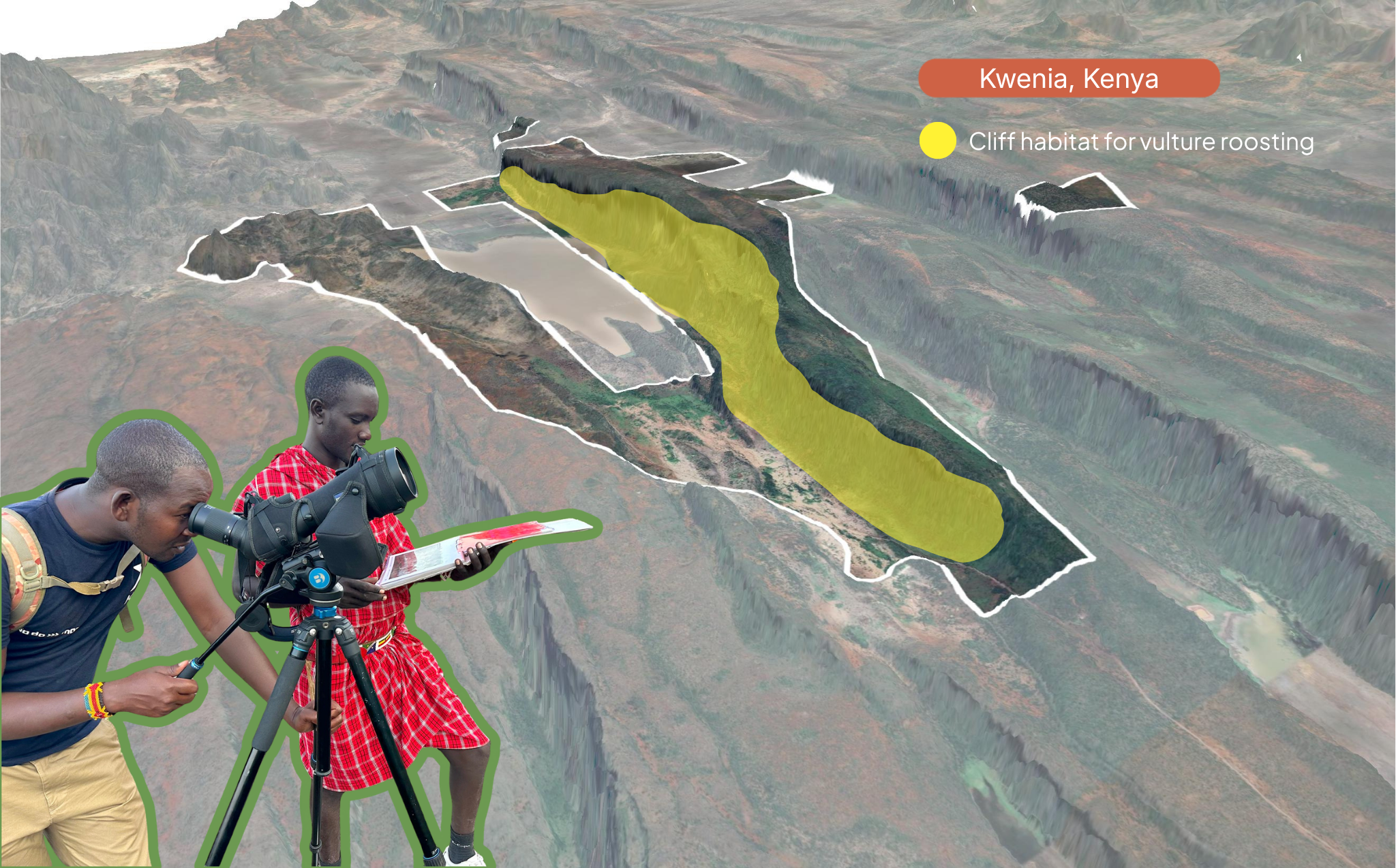
Before our project existed, few vultures had any breeding success due to constant disturbance by goats climbing too closely at the cliff bottom and people shoving rocks off the top of the cliff. Educational efforts, voluntary sanctuary rules, and community guardians are making all the difference now. Many local community members are now employed to protect the vultures and serve as ambassadors within the community and beyond.
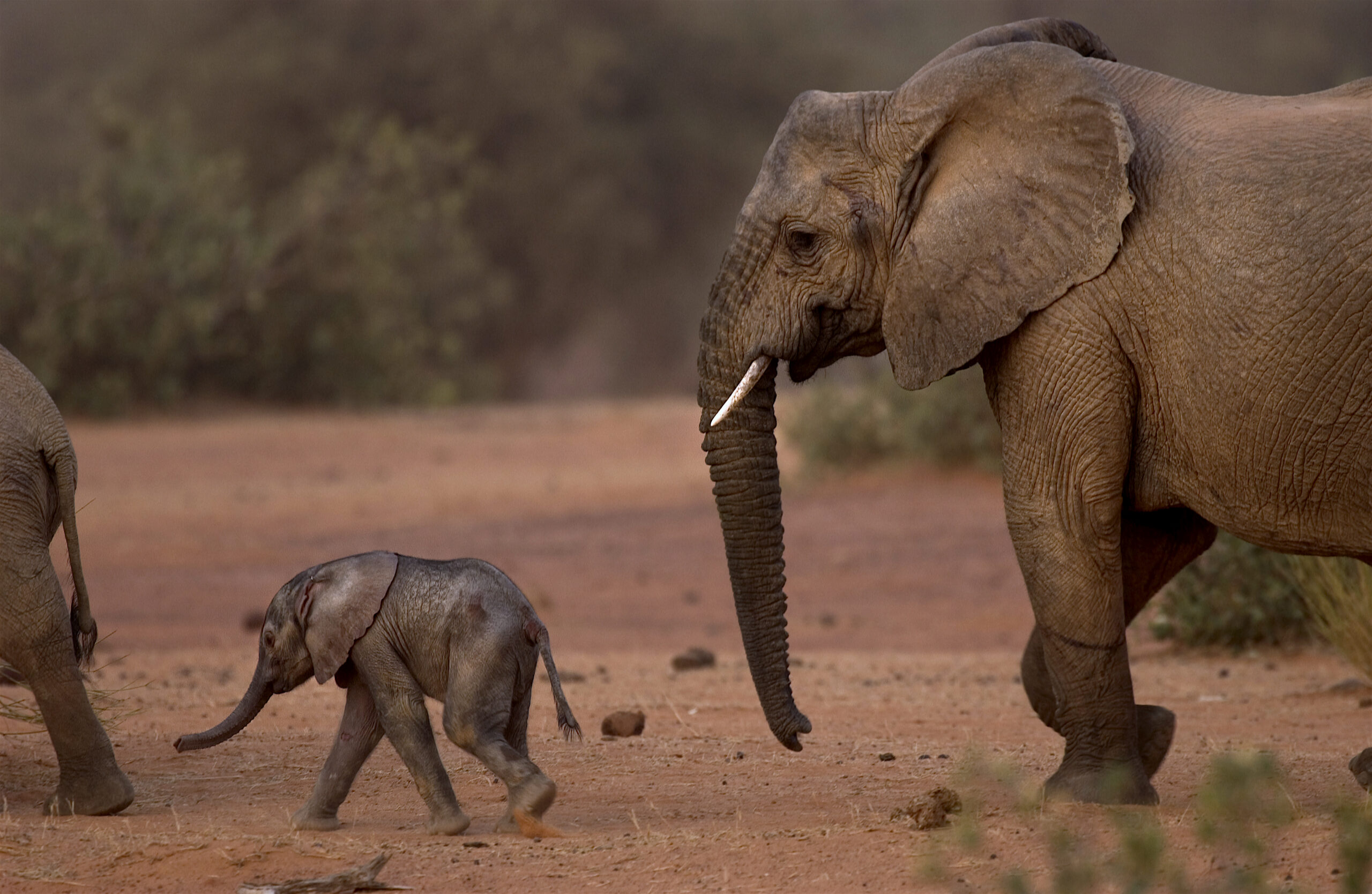
Also, new this past year, thanks to a gift from a co-funding foundation, the camera surveillance program was taken to a new level. A scholarship fund was established to enable competing schools to deploy camera traps throughout the entire Kwenia sanctuary. Prizes are awarded based on a point system applied to all species likely to be photographed. For example, high points (200) would be awarded for elephants, lions, cheetahs, striped hyenas, and wild dogs, while much lower points were awarded for baboons, often photographed daily by all cameras. About 650,000 photos were taken in the first 3-month session. Scholarship awards go to all schools, but are ranked by their points.