Chile: Breeding American Oystercatchers from 0 to 36
 June 19, 2026
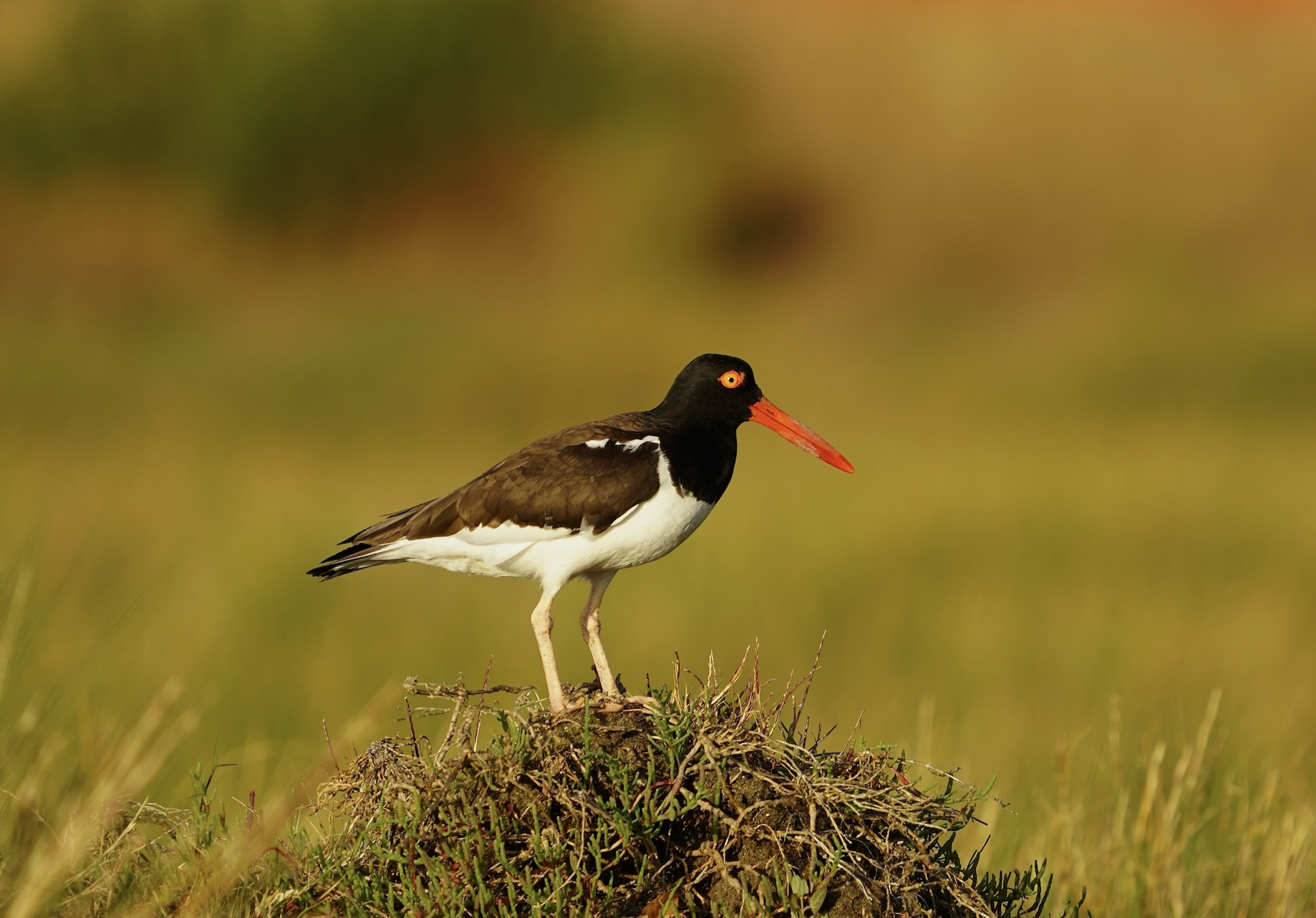
On a bare sand beach on Chiloé Island on the Pacific coast of Chile a small colony of American Oystercatcher have laid their eggs year after year, but the eggs rarely lasted more than a few days due to disturbance or predation. Added to that dense grass was invading the bare sand and stone areas, a habitat change that oystercatchers will not use. Our field partner, Fundacion Conservacion Marina led by Claudio Delgado then planned a multi-prong plan to eliminate or reduce all known threats at this site by working closely with the local property owners and beach visitors.
To improve the site’s attractiveness to oystercatchers and expand the habitat available, grass and other vegetation was removed by hand. Because of the amount of work this needed hands-on community engagement with volunteers. Next the area was delineated with stakes and rope, a common practice to protect the eggs and young of beach-nesting birds. Vehicles, dogs, and beach-goers were restricted from entering. Most importantly, a local educational plan that led to legal restrictions under a new pet ownership ordinance was implemented.
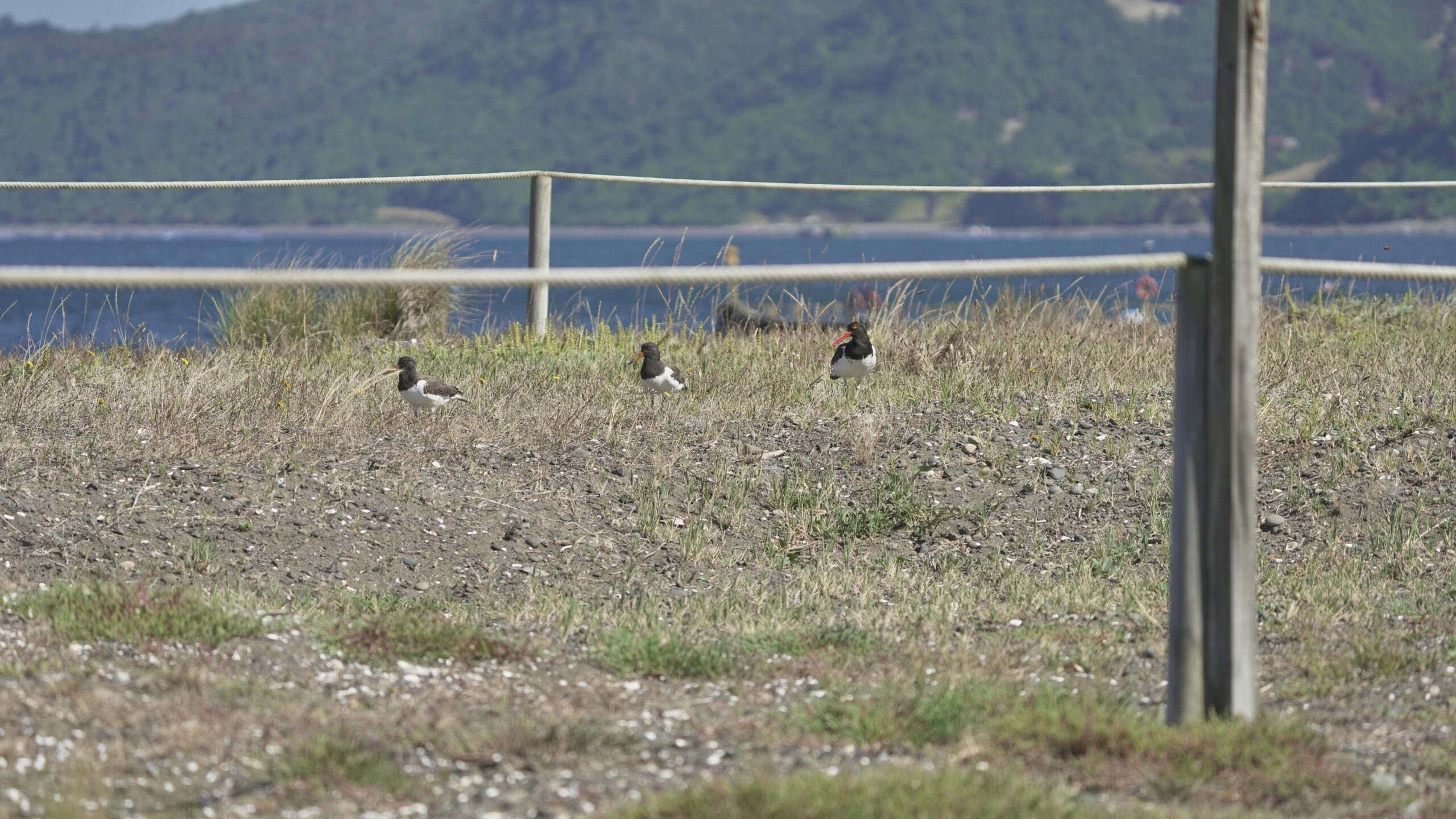
Results: Nest monitoring over four breeding seasons (2022–2026), recording nesting attempts, hatching success, and chick survival for 4-9 annual pairs showed complete hatching failure during the first two breeding seasons without protection. However, after establishment of management strategies restricting vehicular access, a human exclusion zone, construction of bird observatories, and responsible pet ownership ordinance, the nesting pairs went from complete reproductive failure to partial recovery. Hatching success increased in the latter two breeding seasons to just over a third of all eggs hatching in 2025–2026, with high 100% chick survival.
Because of this success the protected area will again be expanded even more in the coming year to encourage more pairs to select this area for nesting.