Goal:
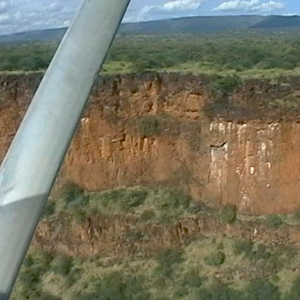
Working with Maasai property owners, a community wildlife sanctuary of 12,600 hectares along a 15-kilometer stretch of cliff habitat favored by breeding vultures and falcons has now been established with a plan to increase its size in the future.

Conservation Value:
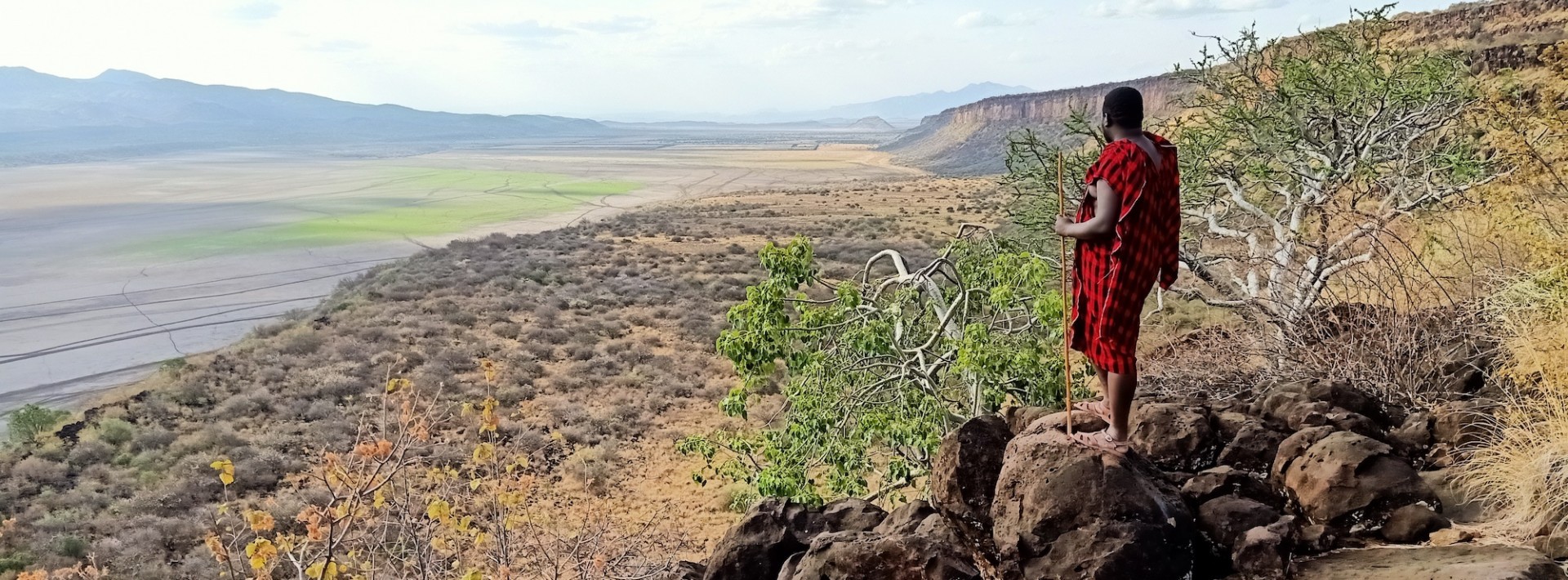
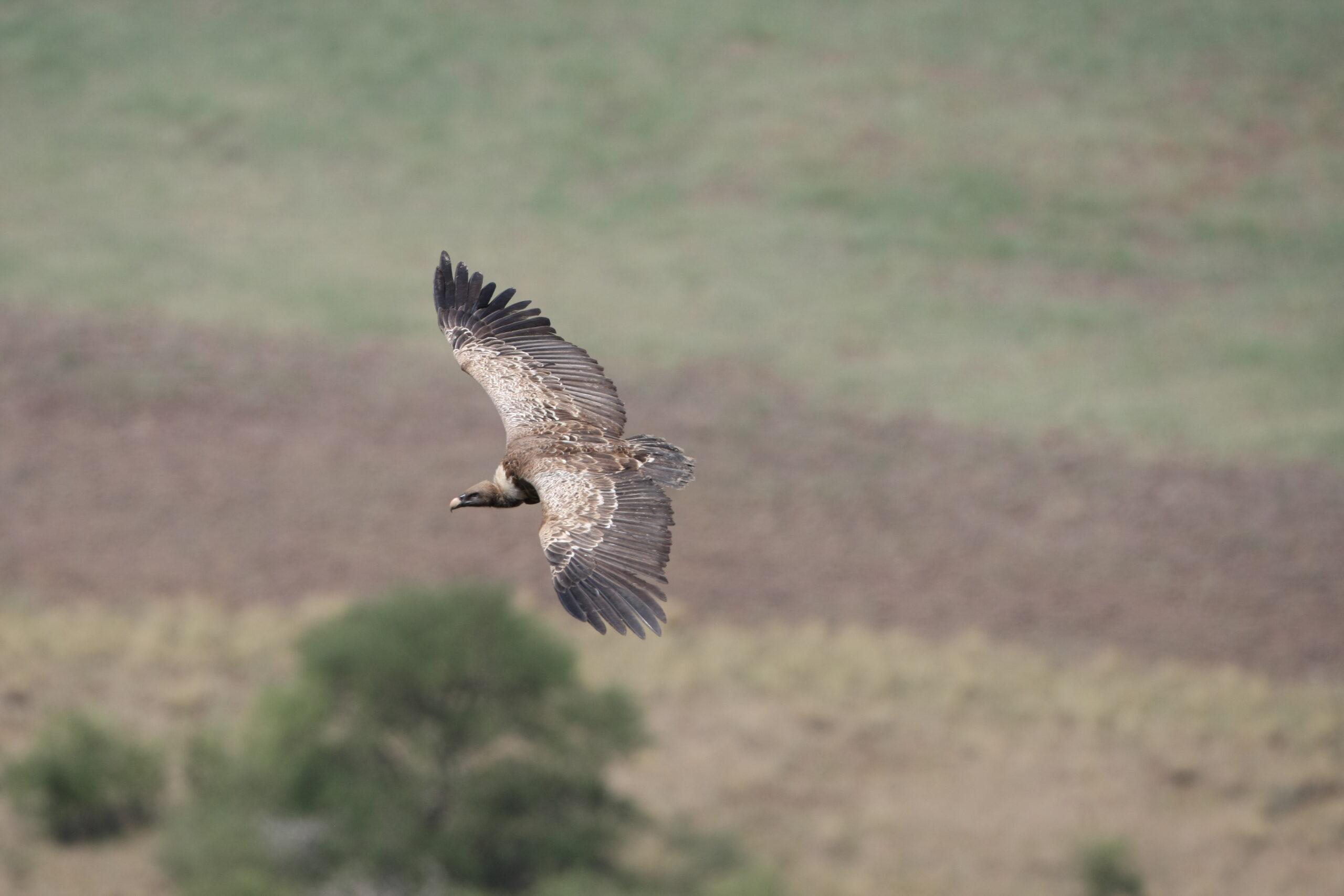
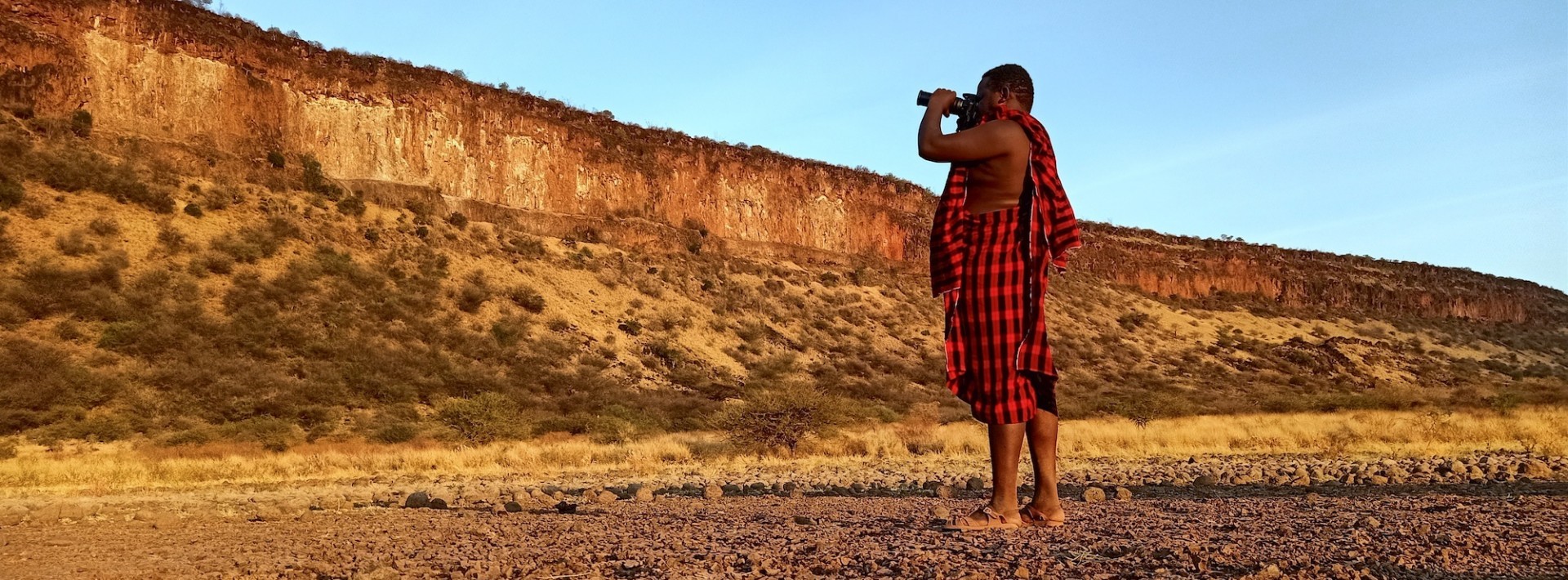
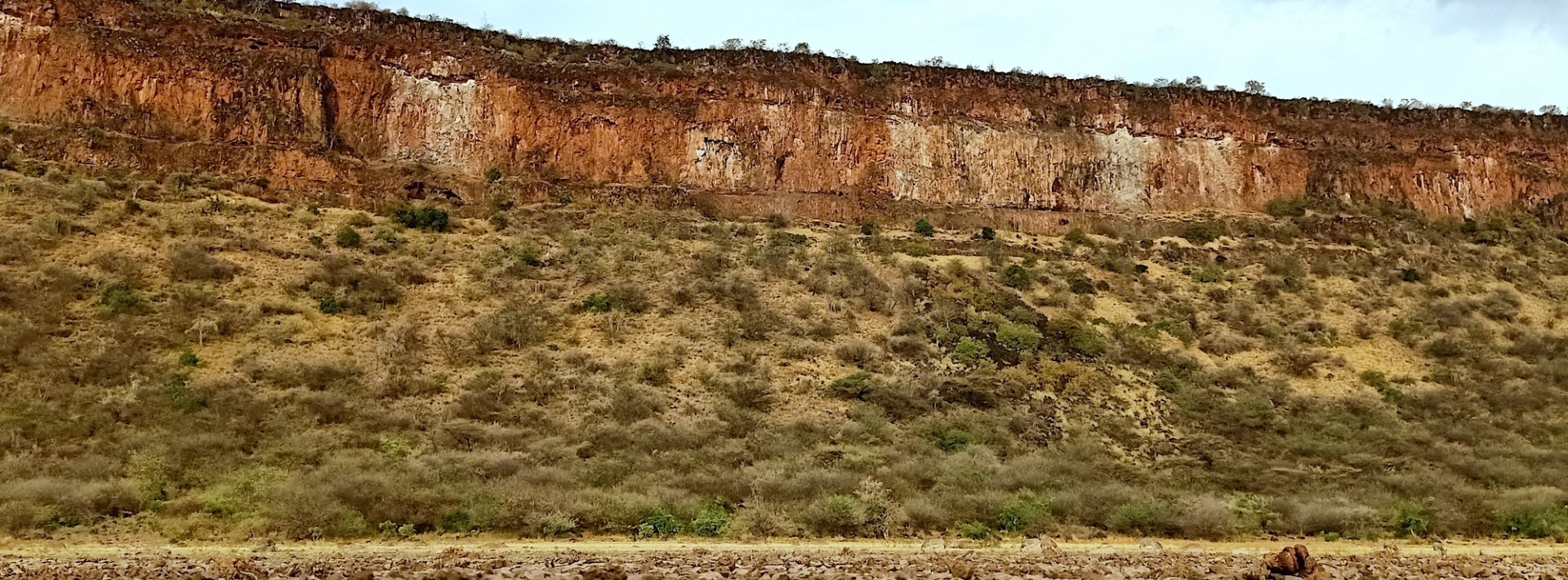
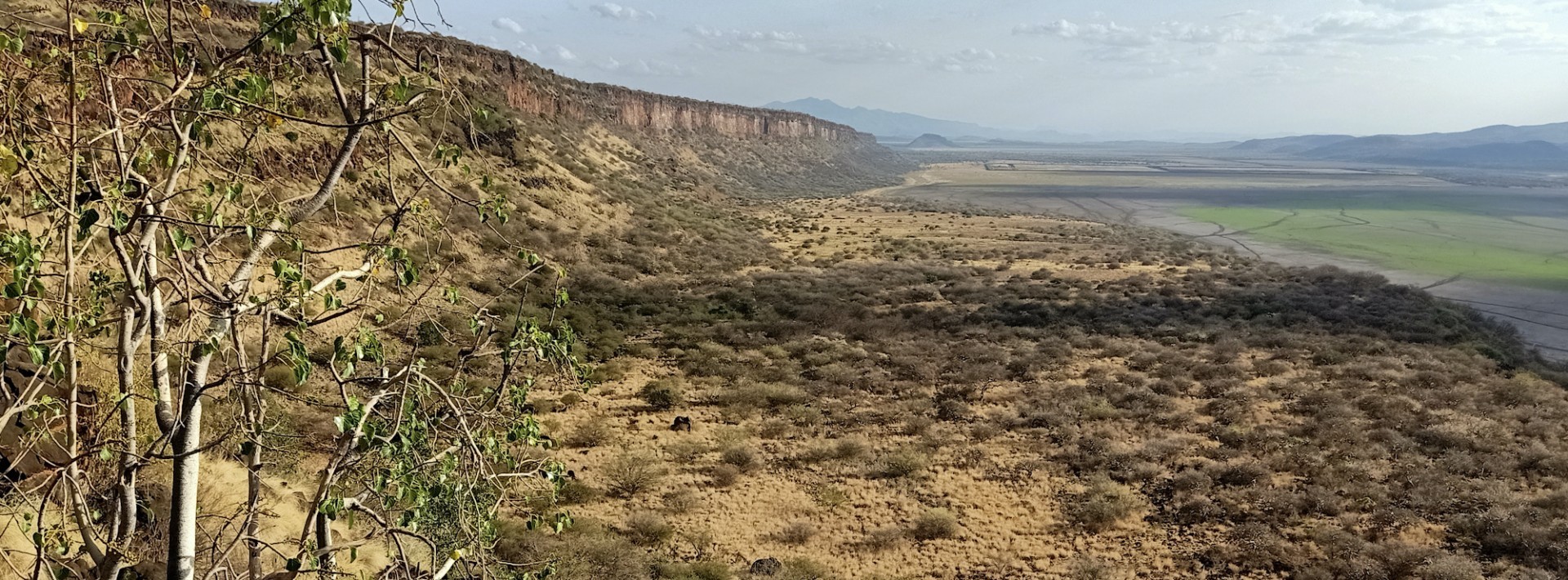
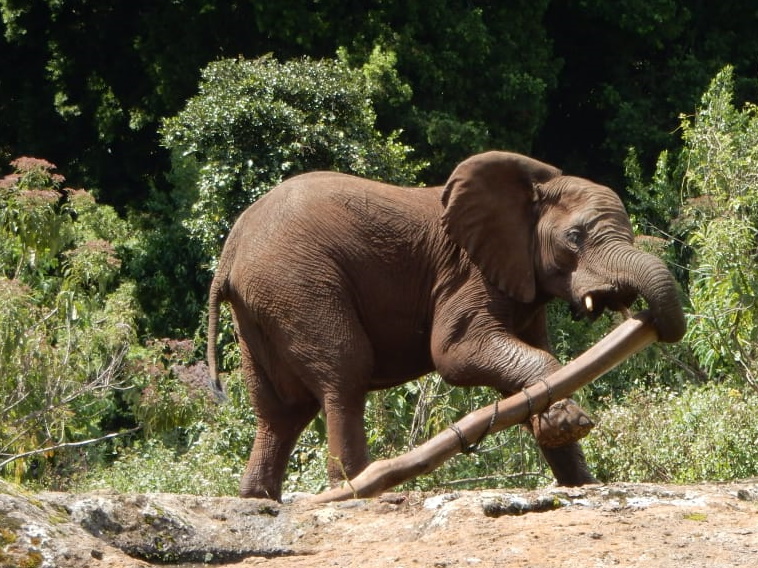
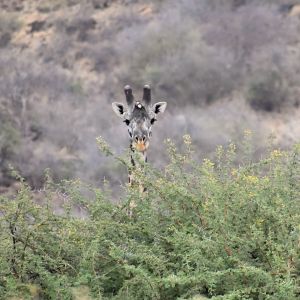
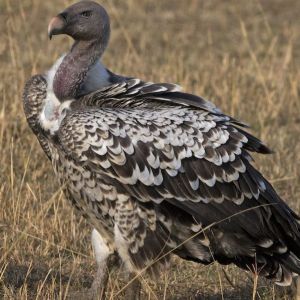
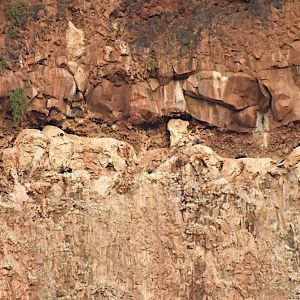
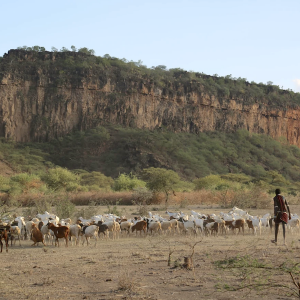
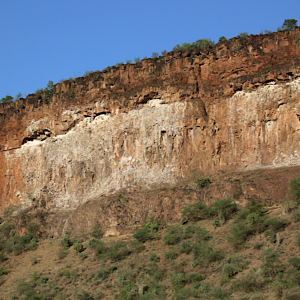
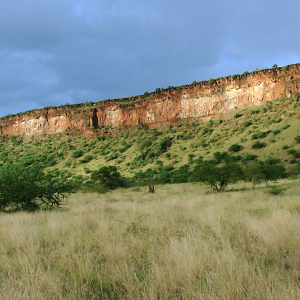
The Kwenia cliffs are approximately 140 meters high overlooking Kwenia Lake in the Rift Valley and serve as in important nesting site and roosting site for the Critically Endangered Rüppell’s vulture (Gyps rueppellii). It serves as the central hub for Rüppell’s vultures that venture out in search for food across the region. The Kwenia Vulture Sanctuary is favoured by the local Maasai people who recognize that this unique and valuable piece of the Rift Valley is in critical need of protection. The new camera trap program is documenting many rare species of mammals at the sanctuary including wild dogs, lesser kudu, gerenuk, Maasai giraffe, striped hyena, plains zebra, and leopard.
Threats:
- Increased development
- For vultures: poisons found in cattle carcasses and electrocution caused by cement telephone poles
- Resource-based conflicts (overgrazing, commercial agriculture, poison applications, charcoaling, inter-community conflicts)
- Lack of awareness of the value of biodiversity and the need for better policies and planning
- Limited livelihood opportunities and unsustainable livelihoods
Actions & Results:
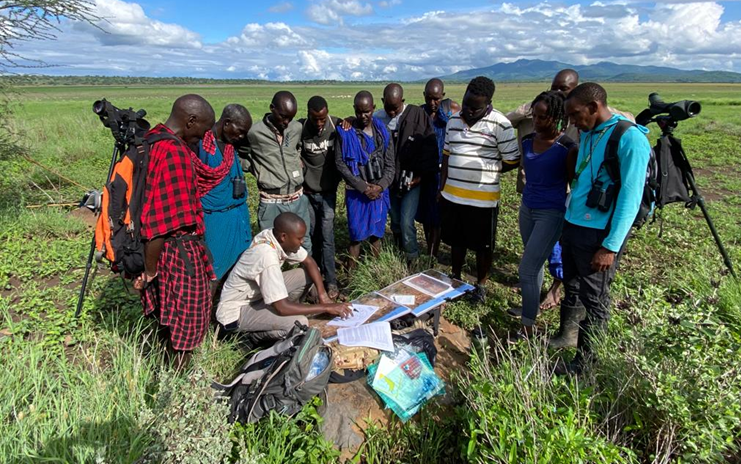
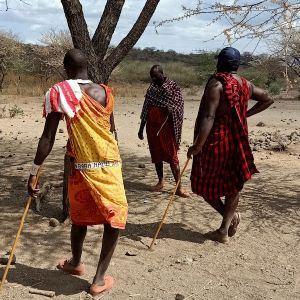
The project has aimed to establish landowner and community consensus; document land ownership; map the sanctuary; formalize the Kwenia Vulture Sanctuary; prepare KVS Concept; conduct landowner forum; register KVS with the Kenya Wildlife Service. In 2024, the Kwenia Vultures Sanctuary Trust deed was signed by 22 land-owning Maasai families. In 2025, Biome Conservation’s Scott Hecker visited the site to meet the 20 Maasai vulture guardians and celebrate this accomplishment. The guardians documented 216 breeding Rüppell’s vultures and one pair of Egyptian vultures (one of the last know in southern Kenya). In 2026, the Egyptian vultures were reported to have a fledgling!
Location:
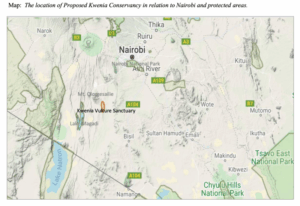
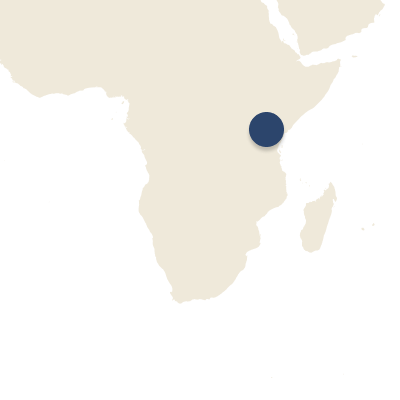
65 kilometers southwest of Nairobi in the southern Great Rift Valley.
Size of Area Involved:
12,600 hectares
Project Field Partner:
Our Investment to Date:
Cost (2021-2025): CA$234,994
Budget in 2026: CA63,900
Gallery

Video
Greeting from Maasai community member
In More Depth...
Background
The Kenya Bird of Prey Trust is working with about twenty-five Maasai property owners to establish a wildlife sanctuary of 12,600 hectares along a 15-kilometer stretch of cliff habitat favored by breeding vultures and falcons. The cliffs are approximately 140 meters high overlooking Kwenia Lake in the Rift Valley and serve as in important nesting site for the Critically Endangered Rüppell’s vulture (Gyps rueppellii). In the first year of the project the KBPT assisted the Maasai establish agreements among the property owners who have volunteered to establish this Conservancy with the Kenya Wildlife Service. This unique project is establishing new approaches to reducing the current threats to the vultures and other birds of prey associated with poisons found in cattle carcasses and electrocution caused by cement telephone poles, among other problems. Ultimately, a vulture restaurant may be developed from clean dead cattle to mitigate the exposure of these vultures to the toxic carcasses available within their foraging range.
Who owns the Land?
The land that makes up the Kwenia Vulture Sanctuary and Lake Kwenia Wetland Reserve consists of a land area surrounding the Kwenia cliffs and Lake Kwenia, where the Kilonito Group Ranch, Elengatawaus Group Ranch and Oldonyonyokei Group Ranch converge, in Kajiado County, in the Great Rift Valley. The Sanctuary area is made up of a combination of riparian wetland (Lake Kwenia) and private land parcels.
The Kwenia Vulture Sanctuary and Lake Kwenia Wetland Reserve
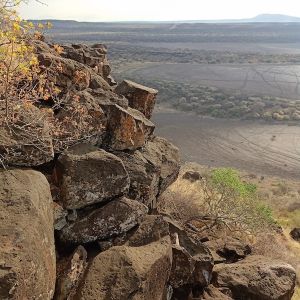
The area is dry and semi-arid. Water is scarce and seasonal. There is one main murram road through the area, and accessibility to the individual parcels of land is mainly by foot or boda boda (motorbike).
The main attractions to the area are the 6km long Kwenia cliff line, which is home to the Critically Endangered Rüppell’s Vultures and numerous other raptor species and Lake Kwenia, a seasonal freshwater lake at the base of the Kwenia cliffs. There are several wildlife species living in the area, such as cheetah, giraffe, Grant’s gazelle, eland, leopard, and transient wild dog. There are numerous waterbirds when Lake Kwenia fills with water. The scenic value is outstanding.
The added value of the Sanctuary to the landowners and their community
- Recognition by the government and KWS.
- Reduced human-wildlife conflict (HWC) through tolerance, planning and understanding.
- Increased wildlife value.
- Government support in terms of incentives, planning, management plans that incorporate multiple and compatible land use practices, guidance in captive breeding and artificial propagation of wildlife, regulate wildlife farming and products, public education and awareness, mitigation of threats to wildlife by physical developments in important wildlife habitats.
- Increased security.
- Landowner decision making on wildlife resources and benefits from the use of resources.
- Protection of critically endangered and vulnerable species
- National and international recognition.
- Alternatives to and diversification of livelihoods, increased potential for income related to conservation and wildlife conservation initiatives.

Similar Projects
Deploying strategic security and technology to save rhinos
Find Out More
Mali Elephant Landscapes – Paysages des éléphants du Mali
Find Out More