Goal:
Secure a future for this distinct and isolated population of elephants in an important ecosystem.

Conservation Value:
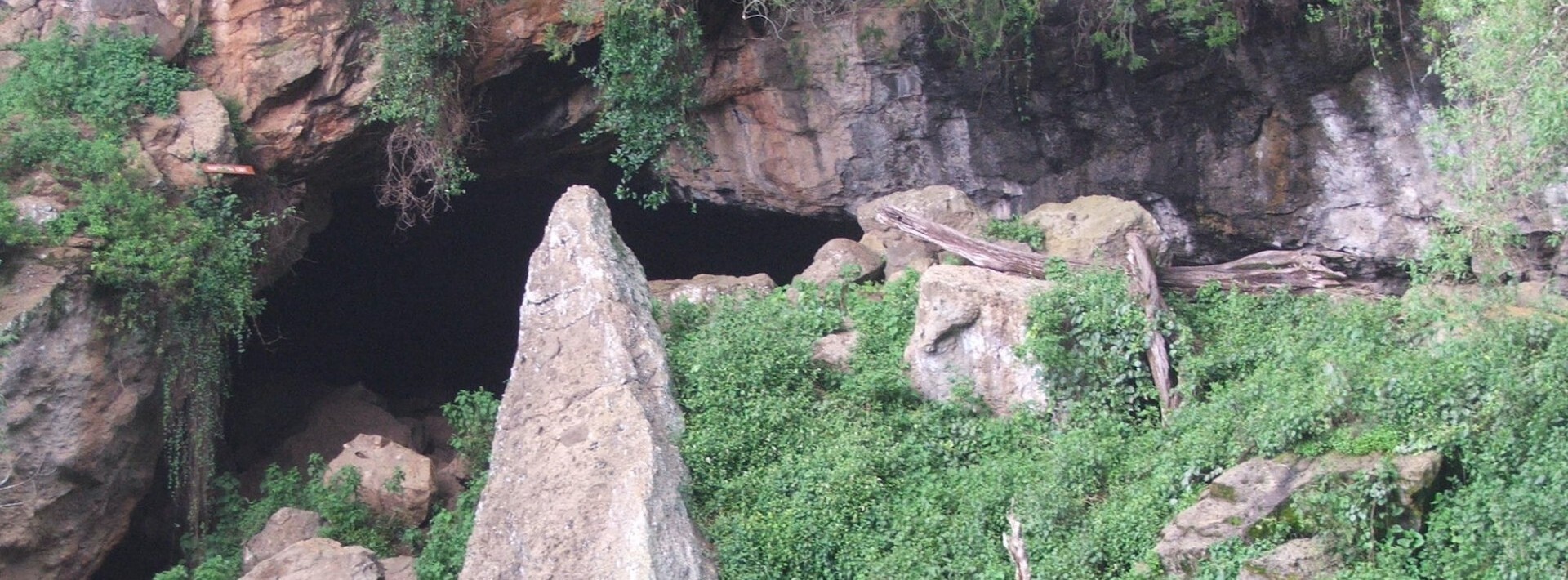
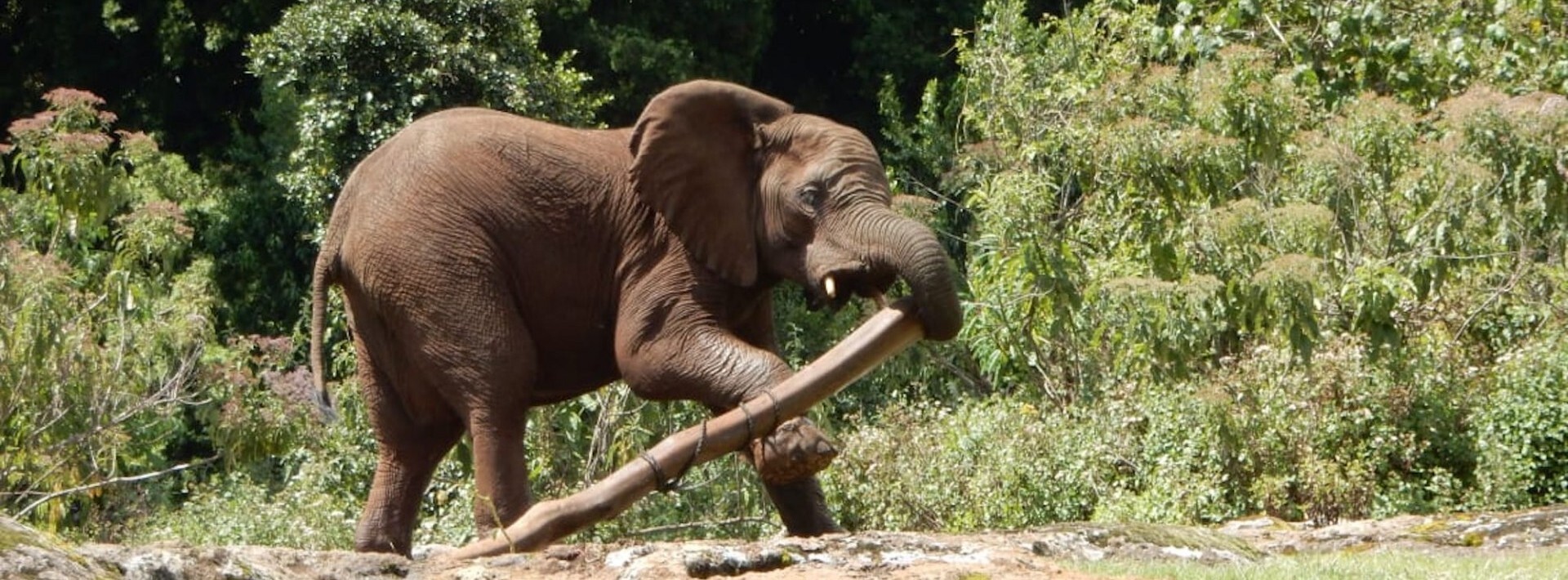
Mount Elgon is a solitary inactive volcano located on the border between eastern Uganda and western Kenya. It is the second highest mountain in Kenya (4,321 m) and is topographically prominent and isolated. These geographic features make it an important source of water and biodiversity in the region.
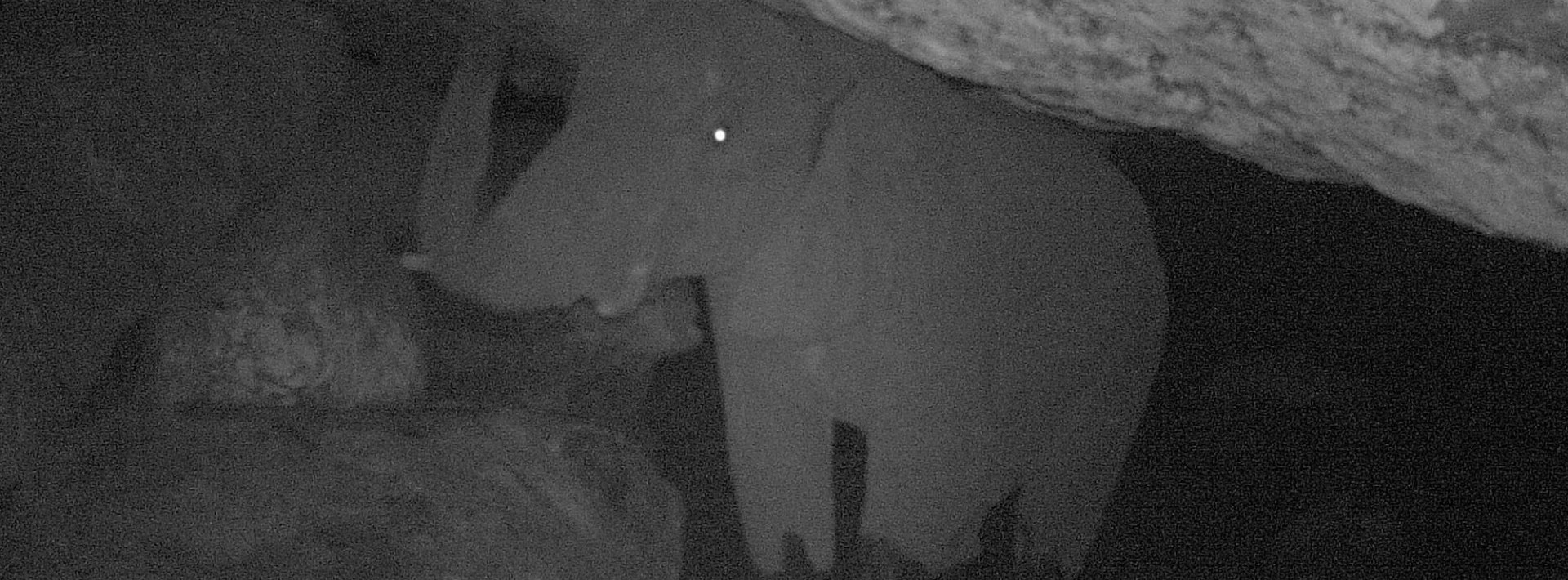
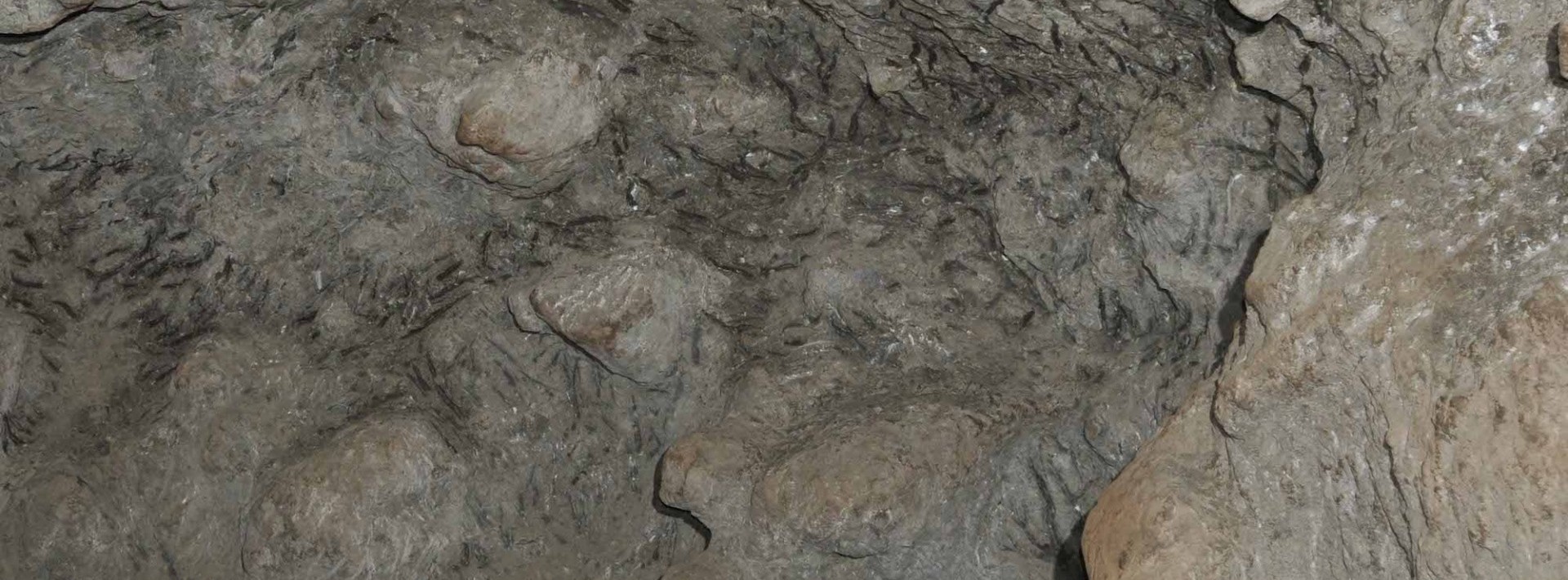
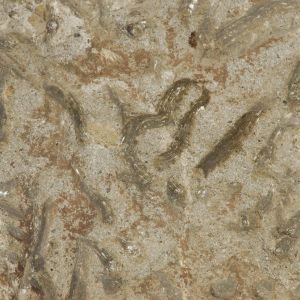
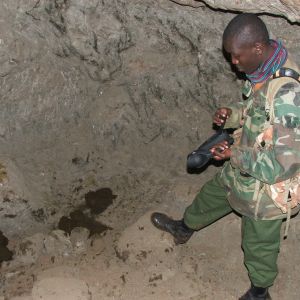
The slopes of Mount Elgon are pitted with a series of caves that contain salt deposits. These caves are visited by wild elephants who gouge the cave walls with their tusks to lick the exposed salt. These are the only elephants known to go deep into caves to “mine salt”.
Threats:
The change in land use from forest to agriculture is putting pressure on habitat of the local elephant population. Encroaching agriculture cuts across the elephants’ movement routes, resulting in human-elephant conflict as elephants raid and consume farm crops. This poses a danger to humans and elephants alike.
Actions & Results:
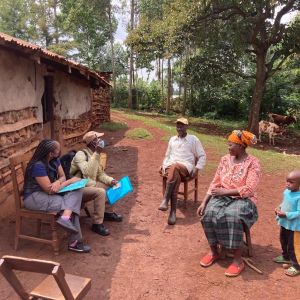
Our approach to protecting people, livelihoods and elephants at Mount Elgon is to monitor the changing landscape of human-elephant conflict and adapt to it. The Mount Elgon Elephant Program engages with farmers, community members, NGOs, and government to reduce illegal activities in formally protected elephant habitat. By protecting Mount Elgon’s ecosystem, we are also safeguarding an essential water tower and an island for endemic species.
In 2025, we celebrated the elephant’s range expansion into Uganda. In July, an estimated 60 to 100 elephants moved about 10 km into Uganda and stayed for 47 days. This included two elephants collared in 2024 that were being tracked by satellite, so their precise movements are known. The entire 1,121 sq km of the Uganda side of Mount Elgon is a national park and so the potential exists for a large area of former elephant territory to be recolonized. The range expansion marks a major conservation success: the natural recolonization of a species to its historical range is the result of long-term protection, monitoring, and community-based conservation efforts.
Project personnel, with help from the Kenya Wildlife Service and Kenya Forest Service, were able to effectively reduce the destruction of the forest by charcoal burners. Scouts played a key role by leading KWS and KFS rangers to areas of high charcoal burning. This resulted in the charcoal burners running away, the charcoal piles being opened and the charcoal turning to ash. Thus thwarted, the charcoal burners have largely stopped in the patrolled areas.
Location:
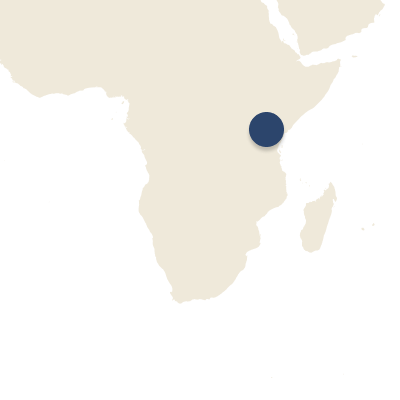
Mount Elgon, Kenya
Size of Area Involved:
73,705 hectares
Project Field Partner:
Mount Elgon Foundation and East Africa Wild Life Society.
Our Investment to Date:
Cost (2022-2024): CA$217,664
Budget in 2025 (Biome portion): US$76,910
Gallery
Video

Similar Projects
Deploying strategic security and technology to save rhinos
Find Out More
Mali Elephant Landscapes – Paysages des éléphants du Mali
Find Out More