Goal:
To enlarge an important reserve in the highly threatened Ecuadorian Choco, increasing its conservation value.
This project is fully funded at present.
(Support is welcome for other projects)
Conservation Value:
The humid forests of the Chocó Biogeographical Region of northwestern Ecuador support exceptional biodiversity, much of which is endemic to the region. The 120,000-ha Mache-Chindul Reserve (MCR) occupies a unique transitionary zone between the Chocó and the drier Tumbesian zone to the South. MCR is a BirdLife International Important Bird Area (IBA), is in the process of becoming a Key Biodiversity Area, and contains a RAMSAR designated wetland. The 592-ha reserve of FCAT (Fundación para la Conservación le los Andes Tropicales) lies along the boundary of the MCR and is one of the largest continuous forest reserves in the region. It supports many Neotropical migratory bird species and threatened species including the Critically Endangered Ecuadorian white-fronted capuchin (Cebus aequatorialis), Endangered banded ground-cuckoo (Neomorphus radiolosus), Endangered mache glassfrog (Cochranella mache), Endangered Blomberg’s tree boa (Corallus blombergi), and Vulnerable long-wattled umbrellabird (Cephalopterus penduliger).
Threats:
Over 96% of the Ecuadorian Chocó’s primary forests are lost and what remains is not well protected. A study found that 10% of the forest within the boundaries of the Mache-Chindul Reserve (MCR) was lost from 2000-2008 and that MCR is the worst performing reserve in the Ecuadorian protected area system. From 1990 to 2008, this region had the highest deforestation rates and among the lowest rates of forest regeneration in Ecuador. This habitat loss is driven by several thousand people with limited economic opportunities who live within the MCR borders, leading to deforestation and species loss in a region where over 90% of local residents live in poverty. As a result, globally threatened and endemic species in the area are declining.
Actions & Results:
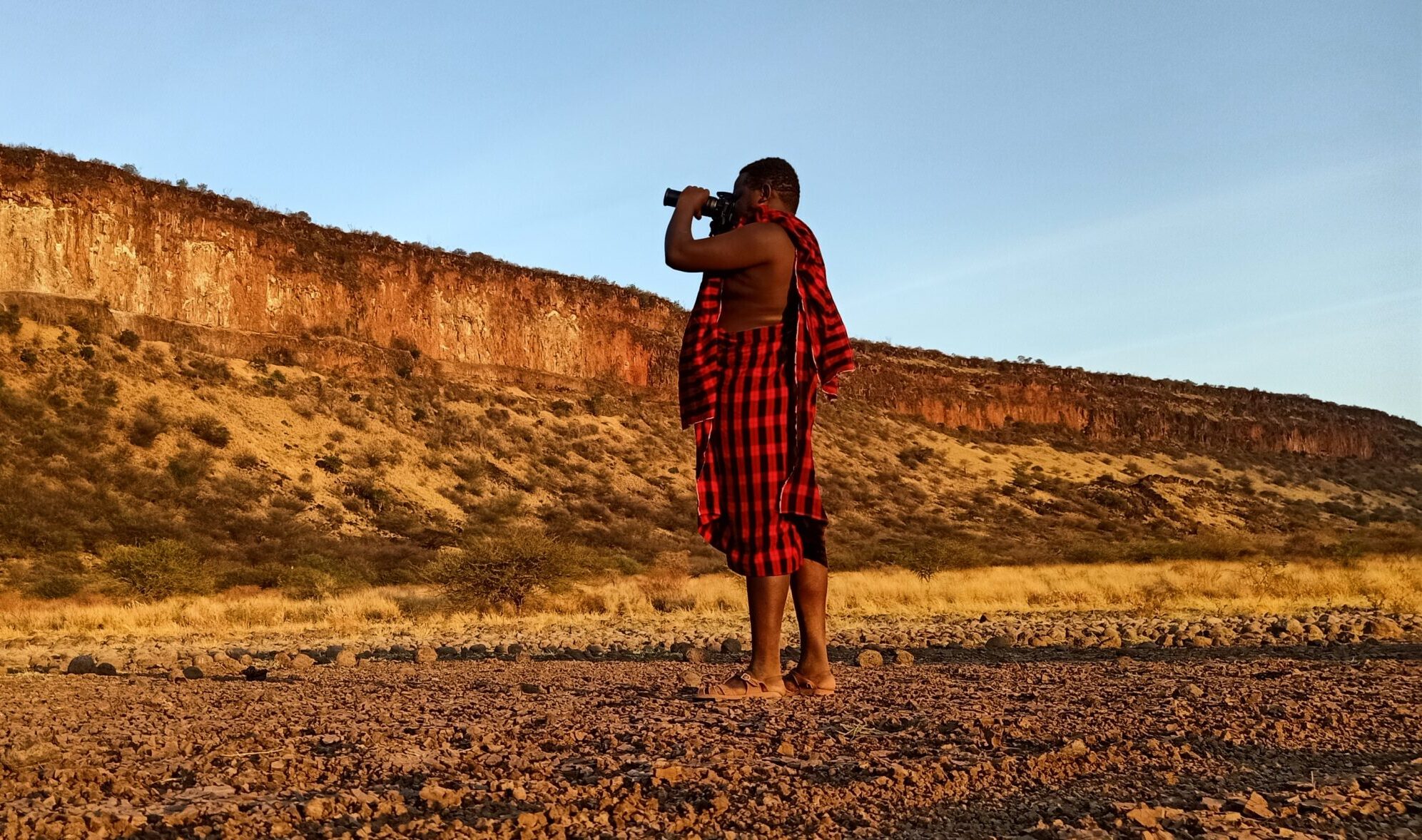
In 2021 and 2022, with support from Biome, FCAT purchased lands to consolidate its reserve. The reserve has enabled FCAT to generate a robust and predictable income stream for its long-term management. In 2022, with support from Biome, FCAT launched ‘The Next Generation Club’—a multi-year program that provides local youths with intensive conservation training and a sense of community, equipping them with essential skills in conservation biology, sustainable practices, and community leadership. In 2025, ‘The Next Generation Club’ completed a total of 12 workshops, with an average participation of 15 local youths. The workshops focused primarily on bird observation and identification, botanical explorations along the FCAT Reserve trails, and bird and amphibian ecology. These workshops, and other conservation-related activities, were enriched through cultural exchanges with the Junior Researcher Group from Tulane University (New Orleans, Louisiana), that reinforced the concept that protecting nature is a shared global responsibility. Approximately 180 hours of training were provided to Rural Youth Extensionists—alumni from ‘The Next Generation Club’ that now serve as liaisons with about 80 families participating in FCAT’s agroforestry project. The Rural Youth Extensionists play an important role in supporting ecological restoration and agroforestry projects within the FCAT-Bilsa-Laguna de Cube biological corridor, contributing toward the long-term goal of restoring 10,000 ha of tropical forest in the Ecuadorian Chocó region. On December 13, 2025, FCAT held a graduation ceremony at the FCAT Reserve Station for the second cohort of the ‘The Next Generation Club’. The ceremony was very uplifting for the 10 graduating youths, and their friends and families. Thanks to Doug and Sheila Rogers for making this possible!
Location:
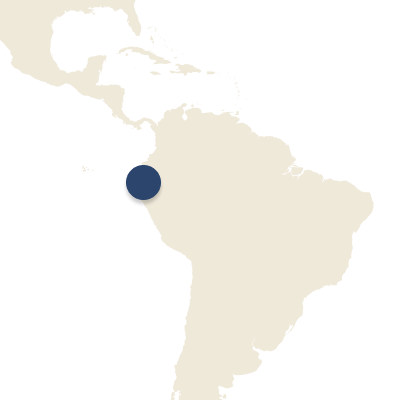
Esmeraldas province in northwestern Ecuador
Size of Area Involved:
734 hectares
Project Field Partner:
Fundación para la Conservación de los Andes Tropicales (FCAT)
Our Investment to Date:
Land acquisition (2021-2023): CA$376,979
Education and capacity building (2022-2023): CA$37,689
Budget for 2024 (education/capacity building): US$10,265
In 2025, we invested: CA $22,937

Gallery