Goal:
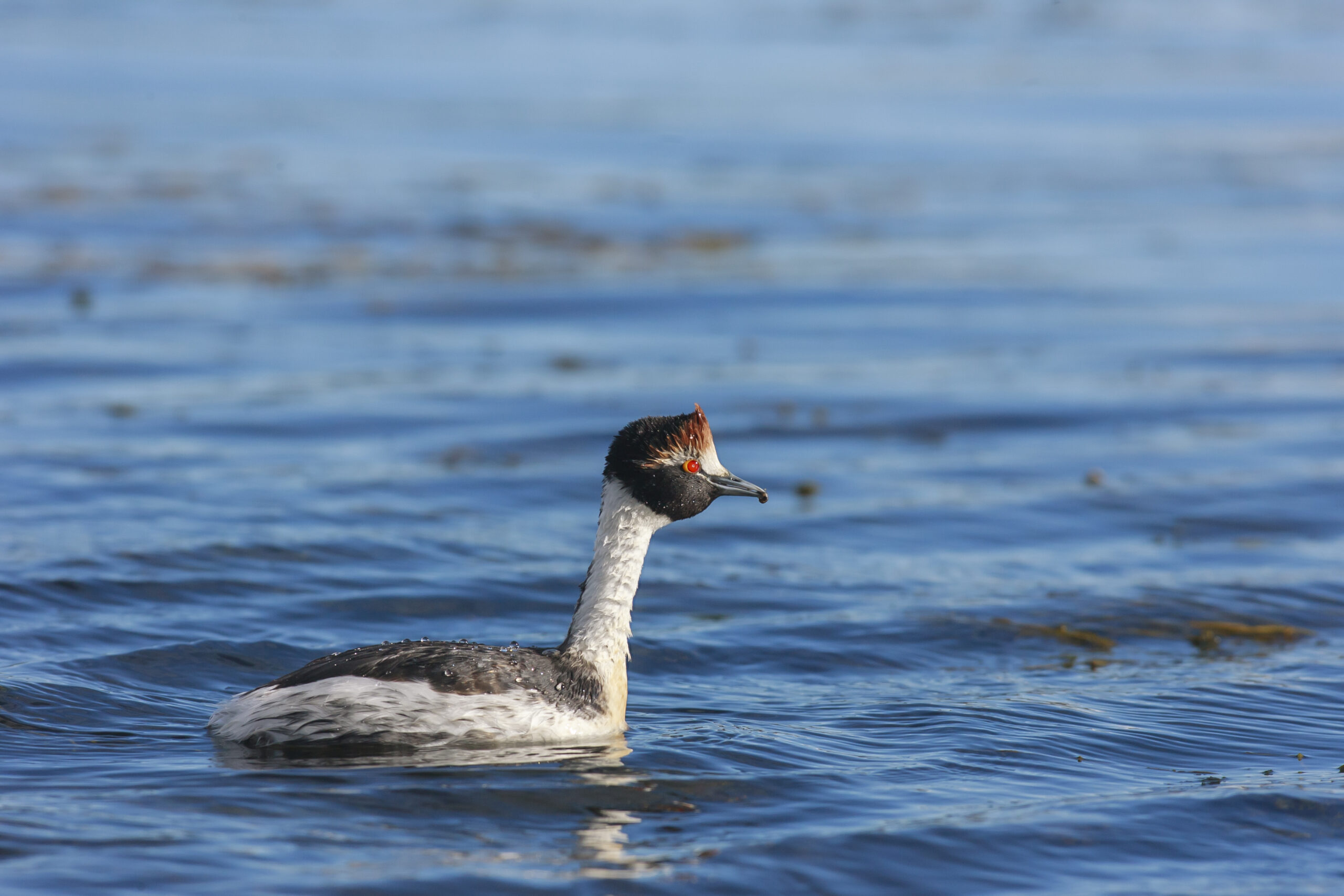
To secure a future for the Critically Endangered maleo bird and other imperilled wildlife, including sea turtles, fruit bats, and the anoa and babirusa—two of Sulawesi’s most threatened mammals—in the Tompotika peninsula and beyond.

Conservation Value:
The Tompotika area, where our efforts are focused, represents a centre of endemism within the global “biodiversity hotspot” that is Sulawesi. Recent surveys have identified at least 9 new animal species known only from this area. Tompotika boasts an excellent representation of Sulawesi’s characteristic natural habitats, including montane moist forests, savannah, wetlands, mangroves, sandy beaches, coral reefs, and seagrass beds. Importantly, this project has resulted in the world’s healthiest population of the Critically Endangered maleo bird, which is increasing at three sites, thanks to the efforts of Biome’s field partner, the Alliance for Tompotika Conservation (AlTo).
Threats:
Both maleos and sea turtles have undergone population declines from rampant harvesting of their eggs by local people. Fruit bats, which play a vital role in maintaining the health of Tompotika’s native forests, and forest-dwelling anoas and babirusas have declined under heavy hunting pressure fueled by the rising demand of bushmeat markets in North Sulawesi. Tompotika’s native forests face threats of illegal logging, conversion for oil palm plantations, slash and burn agriculture, and nickel mining.
Actions & Results:
The first range-wide assessment of the Maleo’s status (spearheaded by AlTo’s Marcy Summers) was published in a leading ornithology journal in 2025. The paper documented the drastic range-wide decline of the Maleo in recent decades, but also the dramatic recoveries that have taken place in Tompotika (thanks to this project). It spotlights ending egg-taking as key to the survival of the Maleo,
Guarding and patrolling of maleo and sea turtle nesting beaches by local conservation staff and villagers has almost completely eliminated poaching. Over 7,000 maleo eggs have been saved, and the number of adult maleos returning to nest in the area has more than tripled. The area’s key bat roosting site has been officially declared a protected area. Community education is building pride in the protection of iconic wildlife species. This is reflected in the high attendance at a wildlife conservation festival that is held every two years and travels village to village, like a circus. Everyone in the community turns out for this festival!
Read more
Some 2025 highlights:
- Increased capacity to avert impacts from mining: Outreach to villages concerning mining and forests continues under the leadership of AlTo’s Mining Outreach Manager. AlTo added a full-time lawyer and part-time paralegal to advise and represent us in legal matters, mostly pertaining to mining. They will train local villagers in their legal rights with respect to mining and build relationships with other parties involved in mining issues.
- New formal forest protection: AlTo’s application, along with Sampaka Village, for Hutan Desa (“Village Forest”) protection status of a 4,018-ha area of forest was approved.
- Four hawksbill turtle nests (a Critically Endangered species) were among the 63 nests in the sea turtle program, which released 4,625 live hatchlings (71.5% hatchling rate).
Location:
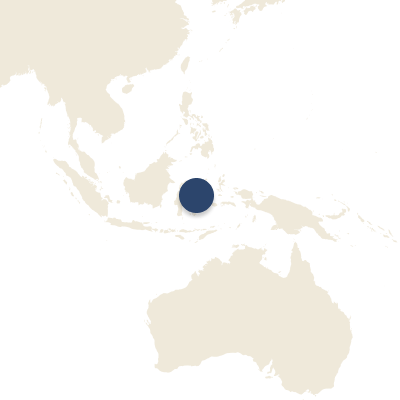
Sulawesi, Indonesia (mainly Tompotika Peninsula)
Size of Area Involved:
250,000 hectares (2,500 km2; half the size of Prince Edward Island)
Project Field Partner:
Alliance for Tompotika Conservation
Our Investment to Date:
Cost (2010-2025): CA$2,692,836
Budget in 2026: CA$241,130
Gallery


Video
Maleo nesting site, Lebuun, Sulawesi, Feb. 14, 2020
In More Depth...
Program Partners and Personnel
Our partner for this project is the Alliance for Tompotika Conservation (AlTo), which is a registered non-profit organization in Indonesia and the USA.
The key personnel for this program are AlTo Director Marcy Summers along with AlTo Conservation Officers and villagers.
Background: Sulawesi as a global conservation priority
Sulawesi is a worldwide conservation priority. In a study of how scarce resources can be optimally allocated for conservation, Sulawesi emerged as the highest-ranked among the neighbouring conservation priority regions – Sumatra, Borneo, Java/Bali, and southern peninsular Malaysia.1
The Tompotika area, where our efforts are focused, is a peninsula of about 2500 km2 at the easternmost tip of Sulawesi’s central arm. Tompotika represents a centre of endemism within the global “biodiversity hotspot” that is Sulawesi; recent surveys have identified at least 9 new animal species known only from this area. Tompotika boasts an excellent representation of Sulawesi’s characteristic natural habitats, including montane moist forests, savannah, wetlands, mangroves, sandy beaches, coral reefs, and seagrass beds.
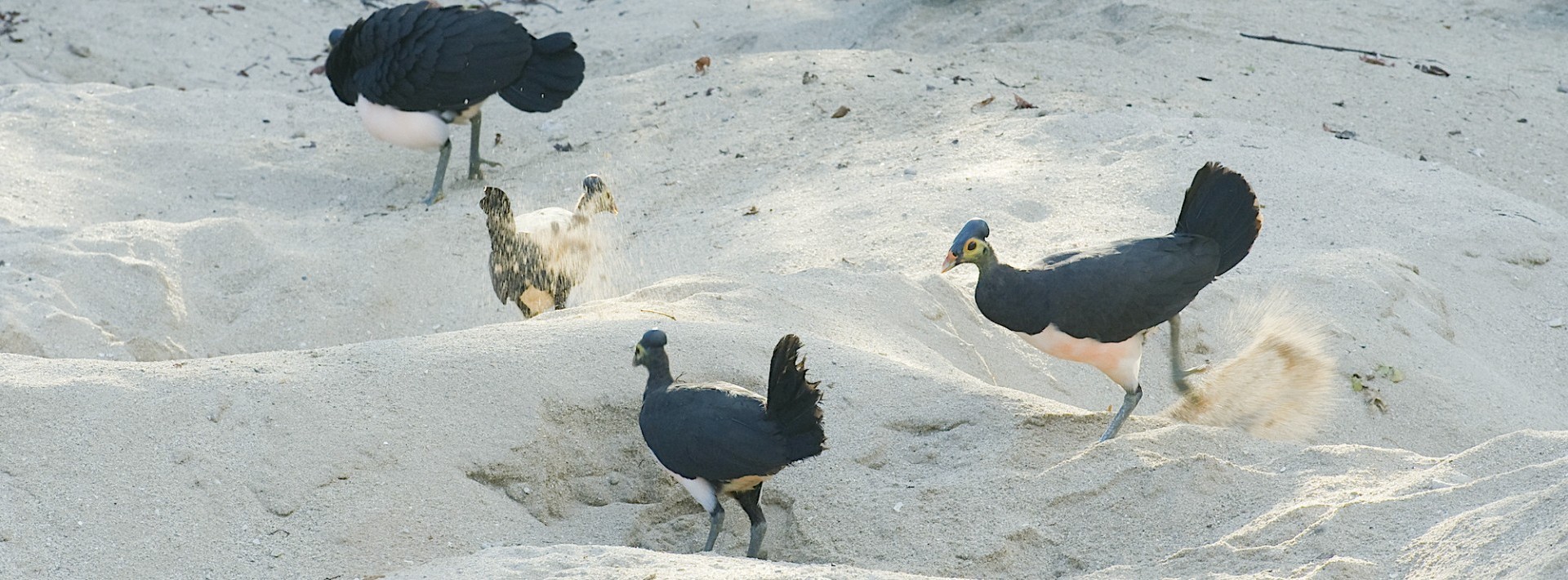
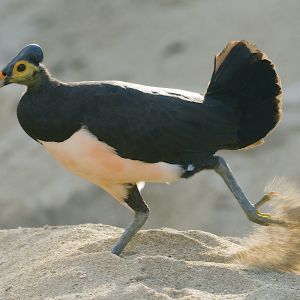
Tompotika is a stronghold for the Endangered maleo, a megapode bird endemic to Sulawesi and the Buton Island located off Sulawesi’s southeast peninsula. One of the most evolutionary distinct birds, believed to have diverged from other species approximately 30 million years ago, the maleo was once a common feature of Sulawesi’s wildlife assemblage: English naturalist Alfred Russel Wallace, writing in the 1850s, described Sulawesi beaches as being “black with maleos.” The unique characteristics of the maleo’s life history have made it one of Sulawesi’s most endangered species. The maleo lays its enormous eggs in pits in communal nesting grounds which are highly vulnerable to local egg hunters. Unsustainable harvesting of eggs combined with human disturbance of the maleo’s nesting grounds and progressive loss of its non-breeding rainforest habitat have caused global maleo numbers to drop by a whopping 90% in the last 60 years.
Compared to its neighbours, for example Borneo and Sumatra, which both host charismatic megafauna like orangutans, tigers, and elephants, Sulawesi gets very little research or conservation attention, but the minute you look closely you realize it’s a conservation treasure, with nearly half its vertebrate species endemic.
— Marcy Summers, Director, AlTo
Tompotika is also an important nesting area for three species of sea turtles – green, hawksbill, and olive ridley – all of which have likewise been severely affected by the rampant harvesting of their eggs by local people, despite being designated as “fully protected” under Indonesian law since 1990. Until recently, nearly every sea turtle nest that people could discover in Tompotika was dug up, and the eggs were taken for consumption or sale. This caused a relentless decline in the number of turtles returning to nest. Similarly, maleo eggs, while generally not needed for subsistence in Tompotika, were routinely poached here for sale as a luxury item, notwithstanding the species’ protected status under Indonesian law since as early as 1972.
Sulawesi features an exceptional array of bats – over 70 species, which make up more than half of the entire number of mammals native to the island. Many of Sulawesi’s bats are found nowhere else on earth. While being considerably smaller in land area than Borneo, Sumatra, or New Guinea, Sulawesi boasts a greater diversity of old-world fruit bats (Pteropodidae). It also hosts the greatest number of cave-dwelling fruit bat species found anywhere in the world.
The Tompotika region, rich with karst cave formations providing roosting habitat for various bats, is a hotspot of bat diversity within Sulawesi. Fruit bats play a critical role in maintaining the health of Tompotika’s native tropical forests by pollinating trees, spreading seeds that help forests regrow, and by providing high-quality fertilizer. Many tropical fruit and nut trees, such as mango, cashew, wild banana, avocado, and durian, to name but a few, rely on bats for pollination to produce fruit. In addition, insectivorous bats control populations of insect pests, such as the mosquitos that spread malaria or the grasshoppers that destroy rice crops.
Although bats are not commonly consumed in Tompotika, the recent emergence of commercial bat hunting, driven by increasing demand for bushmeat in North Sulawesi, has very rapidly led to dramatic bat population declines and the complete decimation of many colonies across Tompotika. Recovery is difficult, as mother bats produce only one young per year.
The Alliance for Tompotika Conservation (AlTo) relies on local staff and local villagers to carry out a broad array of conservation activities in the area. Founded in 2006 at the request of Tompotikans, AlTo aims to “go deep, and do it right” for conservation in one small but very special place at the heart of the earth’s biodiversity epicentre. Over the first decade of its existence, AlTo has grown to support 10 full-time staff, who lead efforts to protect endangered species and tropical rainforests, and develop conservation awareness and law enforcement outreach programs, including an ongoing school-based campaign and the annual Tompotika International Maleo and Sea Turtle Festival. In a short time, AlTo has reversed the decline of the maleo, prevented poaching of thousands of sea turtle adults and eggs, established a new forest preserve, and made great strides in bat conservation. AlTo also works with communities to maximize the economic and social benefits that accompany conservation efforts.
1 Wilson, K.A., M.F. McBride, M. Bode, and H.P. Possingham. 2006. Prioritizing global conservation efforts. Nature 440: 337-340.
More about the maleo

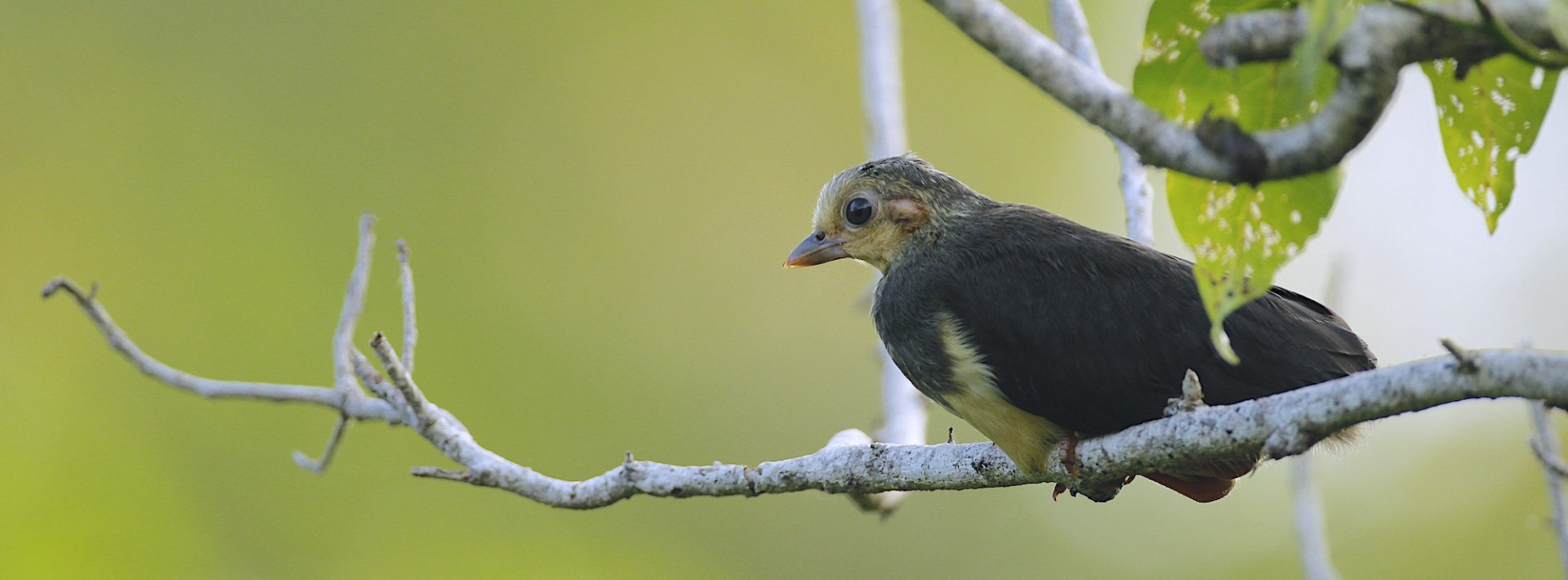
The maleo (Macrocephalon maleo) is a large Megapode that nests communally, burying its large (250 g) eggs in open sandy areas where they are incubated by solar and/or geothermal heat over a 2-3 month period. The young take up to 2 days to tunnel to the surface after hatching, and emerge ready to fly. English naturalist Alfred Russel Wallace collected maleo eggs when visiting the area in 1859.
Videos
AlTo Overview
FESTIVAL!
.
Actions & Results
The Maleo: a conservation success story
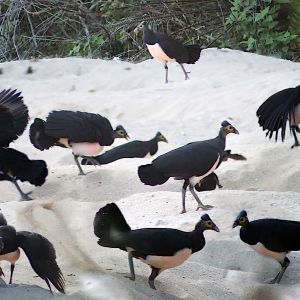
- Guard teams comprising AlTo staff and local villagers have been patrolling the maleo’s communal nesting ground near the village of Taima round the clock to prevent egg collecting and other human-caused disturbances such as logging or livestock pasturing. These efforts have saved thousands of eggs and almost completely eliminated poaching. The Taima nesting ground has become the only site in the world where the maleo population is on the rise: the number of adult maleos returning to nest here has increased from 1312 in 2006 to over 4000 at present. This clearly represents a significant proportion of the global maleo population, estimated at 8,000-14,000 mature birds. AlTo’s Taima site now host far more maleos than any other maleo nesting ground throughout the species range. It is the only one where large numbers of eggs are protected in their natural state and chicks disperse without hatchery intervention.
- Recognizing the importance of AlTo’s maleo protection efforts at Taima, in 2014 the Indonesian government officially declared the Taima nesting ground an “essential ecosystem” (this designation has only been awarded to 7 sites nationwide). This will strengthen formal protection for maleos.
- In 2014, we began protecting a recently discovered nesting site (Kaumosongi; near Teku/Toweer villages) that is connected to the Taima site by an 18-km stretch of intact forest that represents non-breeding habitat for the maleo. AlTo works with villagers and government to preserve forest adjacent each nesting ground and between them and to address the human-related threats within this corridor (e.g., hunting with dogs). This complex of nesting grounds and high-quality non-breeding habitat represents the first maleo “stronghold” ever effectively protected.
Sea Turtles: more hatchlings heralds brighter future
- Our work involves patrolling two of the Tompotika region’s key turtle nesting areas (the beaches surrounding Teku/Toweer and Taima villages) during nesting season, coupled with relocating nests that cannot be adequately protected from poachers to safe places where AlTo assists villagers in guarding them until hatching. We also work to reduce trash on the beach (which impedes turtle nesting) and seek to release captured sea turtles.
- The regional Marine Affairs and Fisheries Department has shown an increasing appreciation of our turtle program. In 2014, they built a second hatchery in Teku next to AlTo’s, and cancelled their original plan to “head start” baby turtles (that is, keep them in captivity for a while before releasing them to ocean) based on advice from AlTo. (Research has shown that head-started turtles tend to wander aimlessly in their new surroundings, whereas wild turtles perform homing migrations. Also, the resting places of head-started turtles are often insufficiently sheltered from hazardous sea conditions.)
- The Teku/Toweer area has seen especially good results, with growing villager participation, greatly reduced poaching rates, and a continual increase in the number of successful hatchlings, which quadrupled from 510 in 2011 to well over 2000 in 2014.
- Informal surveys carried out by AlTo staff indicate that the number of turtles captured and held illegally in back yards has dramatically decreased.

Refuge for bat roost brings immediate benefits
- AlTo has provided key leadership for bat conservation in the area, in response to increasing threats from hunting and a lack of government protection. A bat survey carried out by AlTo staff with the assistance of an Indonesian bat scientist located colonies and found at least 17 different species, including two rare species that have yet to be identified.
- In 2013, AlTo reached a landmark bat protection agreement with Taima residents — a multi-landowner conservation lease of Tangkuladi, a bat roost island. Signed for two years, the agreement has now been renewed for five years with enthusiastic support from landowners. The island that had, due to the relentless hunting, been completely abandoned by bats is now once again harboring many thousands of bats. Further, the regional government, informed by AlTo of Tangkuladi’s critical role critical role in providing a resting place for forest bats (as well as nesting sea turtles), officially declared the island a protected area in 2014, adding an important layer of legal protection.
- Point of interest: one of the most notorious bat hunters in the area has been “converted” into a bat advocate, and is now working for AlTo in patrolling, data collection and bat awareness activities in schools.
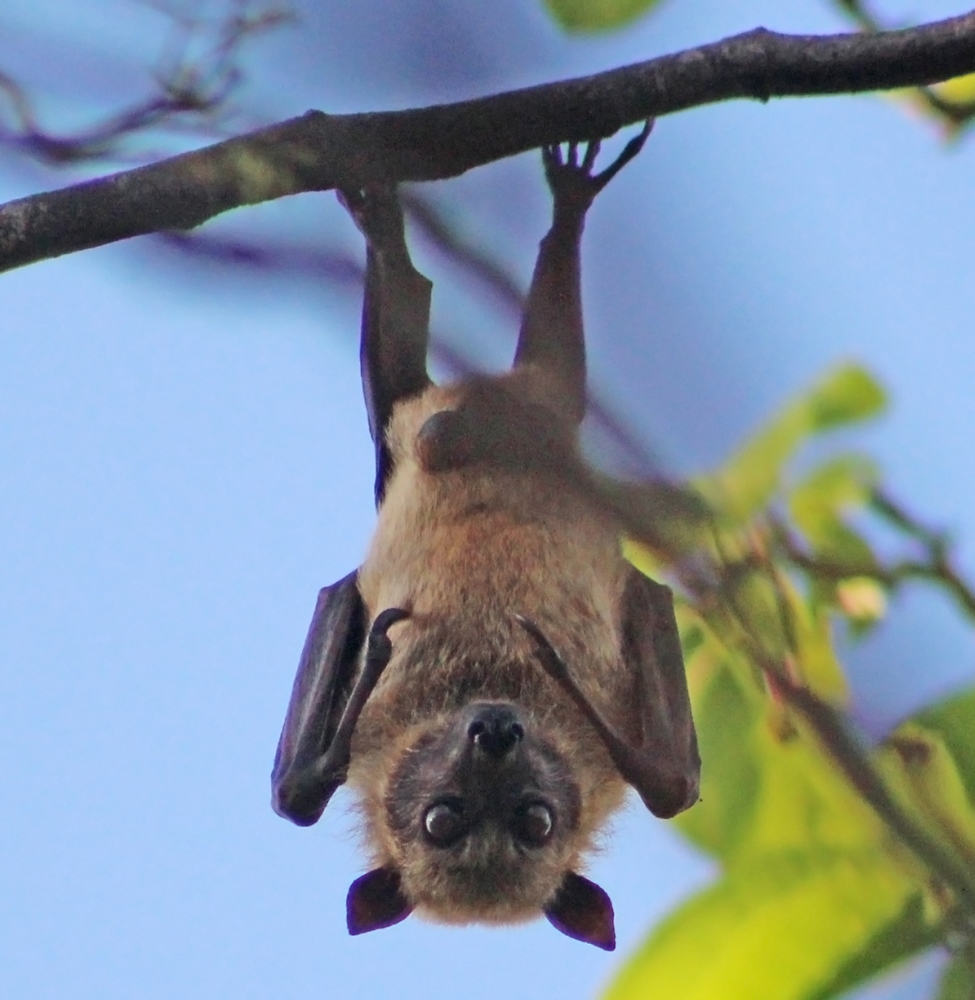 |
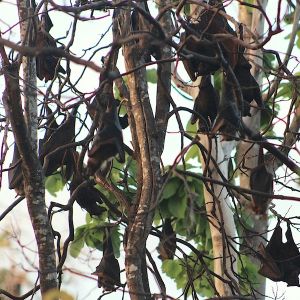
Sulawesi flying fox. Fruit bats are crucial for maintaining the health of tropical forests by pollinating trees, spreading seed and providing high-quality fertilizer. photo: Anton Struchkov, ICFC |
Protecting Forests
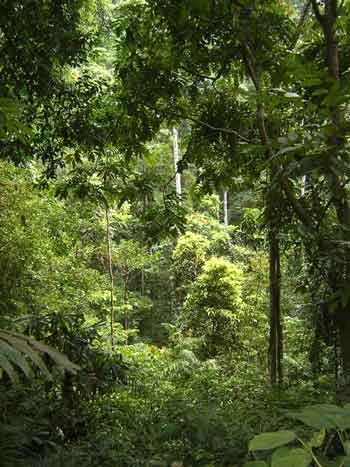
Our partner NGO is focused on the Tompotika Forest Preserve, a 10,000-hectare protected rainforest area surrounding Mount Tompotika, at the heart of the Tompotika peninsula. This aim is to protect this area from mining, illegal logging, conversion for oil palm plantations, slash and burn agriculture, and other threats, while working with local people to encourage forest-friendly lifestyles and livelihoods, such as organic farming and wild silk-moth rearing, in areas adjacent to the Preserve.
Conservation Awareness: a cultural awakening
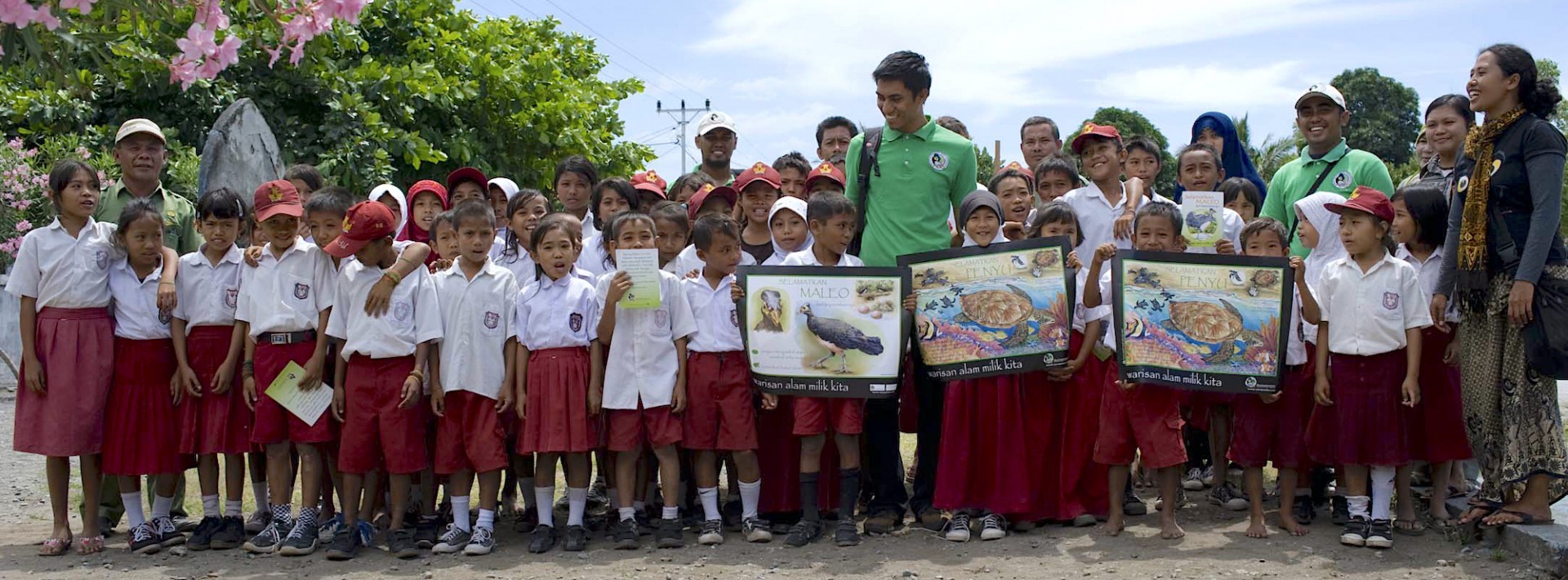
- Interactive conservation education programs reach about 1500 school children each month. Focusing on one topic at a time, the programs include presentations, games, printed materials, and take-home items. Thanks to these efforts, most of Tompotika’s 20,000+ school children have now had at least an introduction to local conservation issues.
- AlTo staff meet regularly with village leaders and community members to raise awareness about local and regional environmental issues and our efforts to address them. Several successful village-wide events have been organized, including beach cleanups to remove turtle nesting hazards.
- AlTo staff create posters, brochures, and other conservation materials, and distribute them in public places throughout Tompotika. At high-profile locations such as the Luwuk airport, AlTo also installs billboards that urge protection of maleos and discourage the purchase of maleo eggs as high-status souvenirs. This is working! In one instance, a high-status lady voluntarily sought out the AlTo office in Luwuk wishing to turn over four maleo eggs that she had received as a gift. There are also signs that enforcement is being taken more seriously: 2014 marked the first time that authorities confiscated maleo eggs from a passenger attempting to smuggle them out of the Luwuk airport.
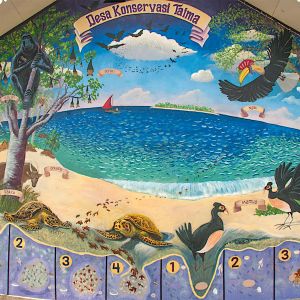
- AlTo sponsors regular programs to promote conservation through the arts, often with the help of international volunteers. Past projects have included murals (see below), youth wildlife art, and a youth drama “road show”. The first International Maleo and Sea Turtle Festival was held in 2014 at six locations across Tompotika, including villages beyond those where AlTo has field conservation programs, but where poaching and demand for eggs remain high. The program consisted of daytime booths, stands, and scheduled activities followed by an evening of drama and entertainment. Everything was free, and shared the conservation theme, using maleo birds and sea turtles as ambassadors for all the other native creatures that share their lands and waters. In some places over a thousand kids and adults showed up to take part.

Law Enforcement Outreach: making a difference
- In 2012 AlTo began collaborating with the Central Sulawesi Natural Resources Conservation Agency (including officials from the police, Justice, Forestry, Fisheries, the military, village and district heads, and more) in order to identify and overcome the barriers to effective wildlife law enforcement in Tompotika. AlTo has produced special educational materials for law enforcement personnel, starting with a “pocket guide to wildlife laws.”
- AlTo carried out workshops bringing personnel from various jurisdictions and regions together with a view to create a “peer network” of law enforcement officials who are meeting periodically to plan strategies, develop procedures, and support one another in implementing tougher enforcement of wildlife laws in the region. The workshops are reinforced by individual visits with participants, resulting in valuable feedback on the program outcomes.

Similar Projects
Deploying strategic security and technology to save rhinos
Find Out More
Mali Elephant Landscapes – Paysages des éléphants du Mali
Find Out More