Goal:
To protect cloud forest ecosystems and to foster human-wildlife coexistence

Conservation Value:
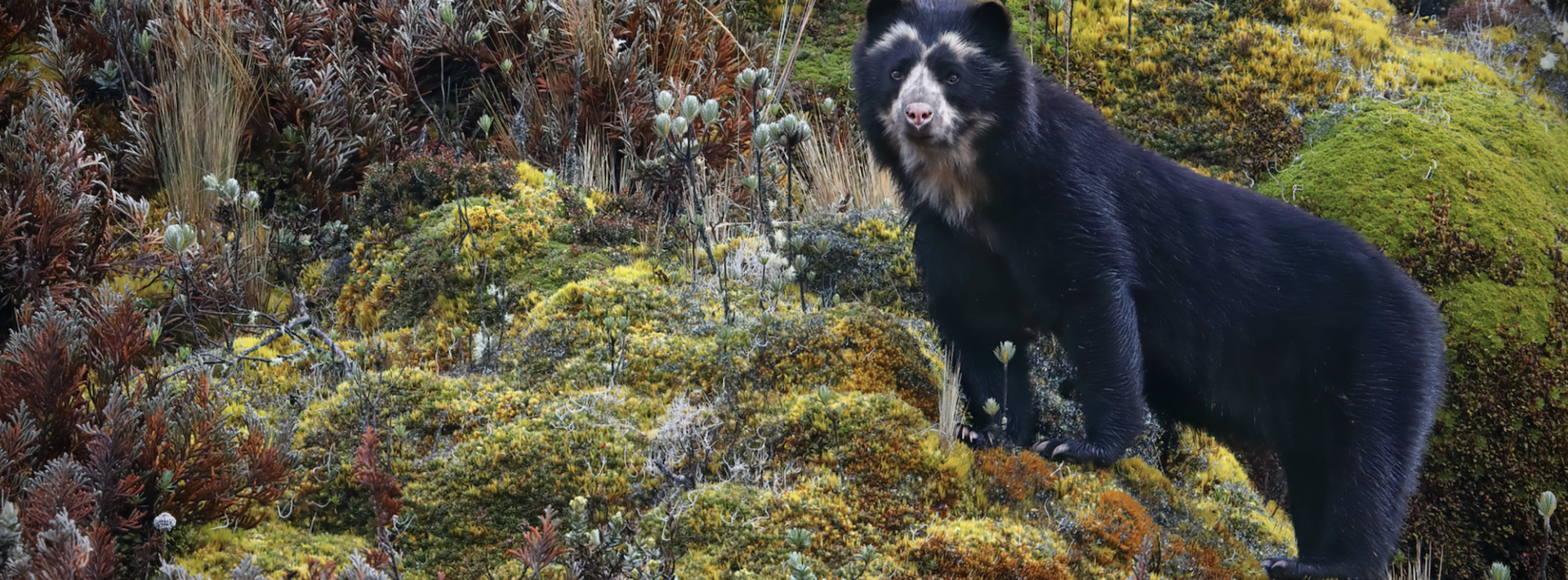
The Andean bear (‘Ukuku’ in Quechua) is a cultural icon for the Quechua Indigenous people because its movements replicate the seasonal migrations of the ancestral Quechua. These bears are one of the few large mammals that use the entire highland-to-lowland range in Manu National Park and they may play an important role in seed dispersal. The species is Redlisted as Vulnerable and its population is decreasing.
Read more
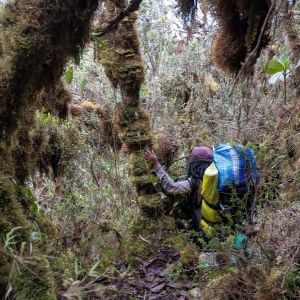
The vast scale of Manú National Park in southwestern Peru—spanning Andean highlands, cloud forest, and lowland Amazonian forest—makes it a stronghold for apex predators and species with large home ranges or species that are rare and widely distributed. Manu’s elevational range, from 300 feet to 11,000 feet above sea level, enhances its importance in relation to species adapting to climate change.
Threats:
The main threats to the highest cloud forest in the Amazon basin are overgrazing and burning from above and an upward shift in plant community assemblages from below.
Actions & Results:
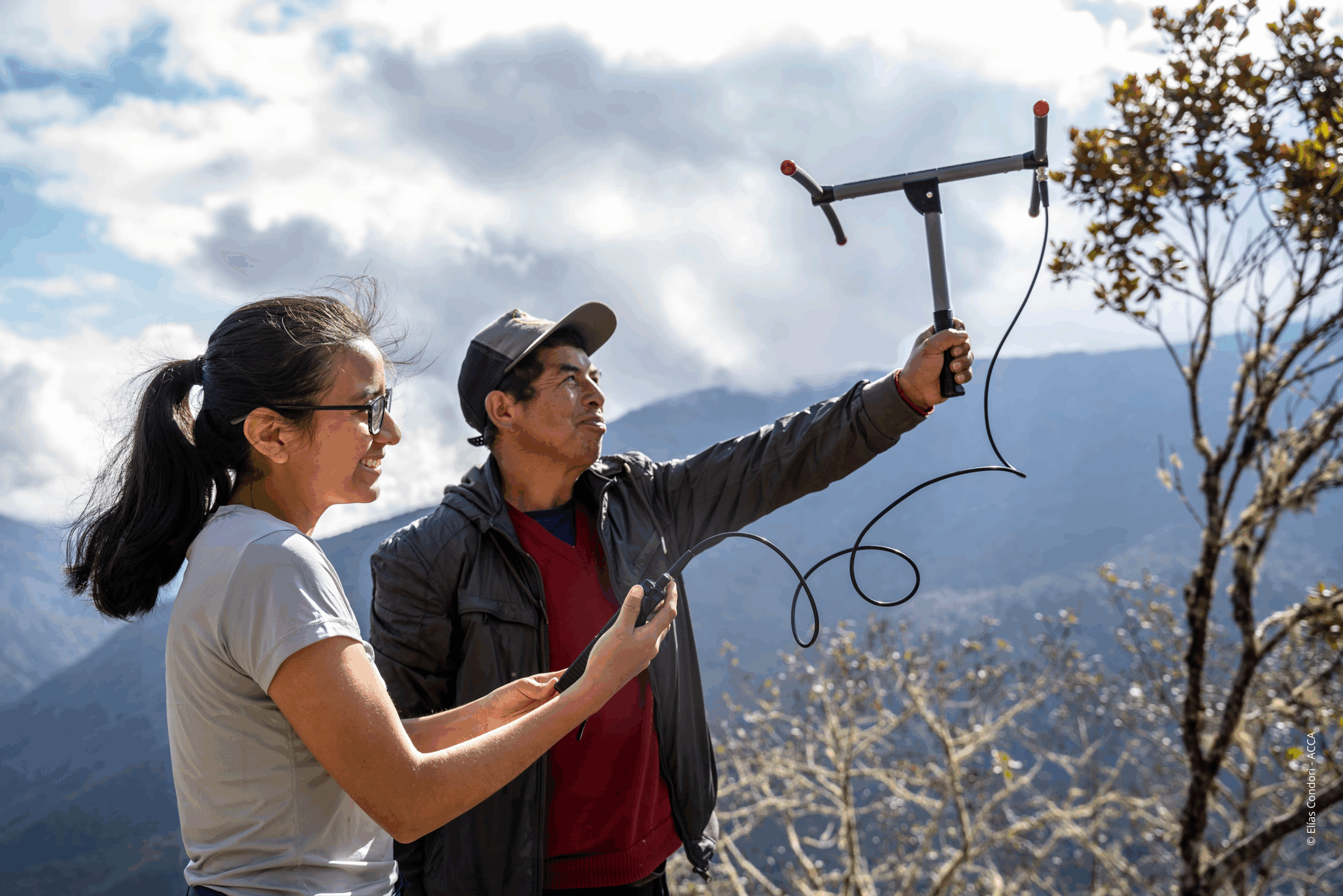
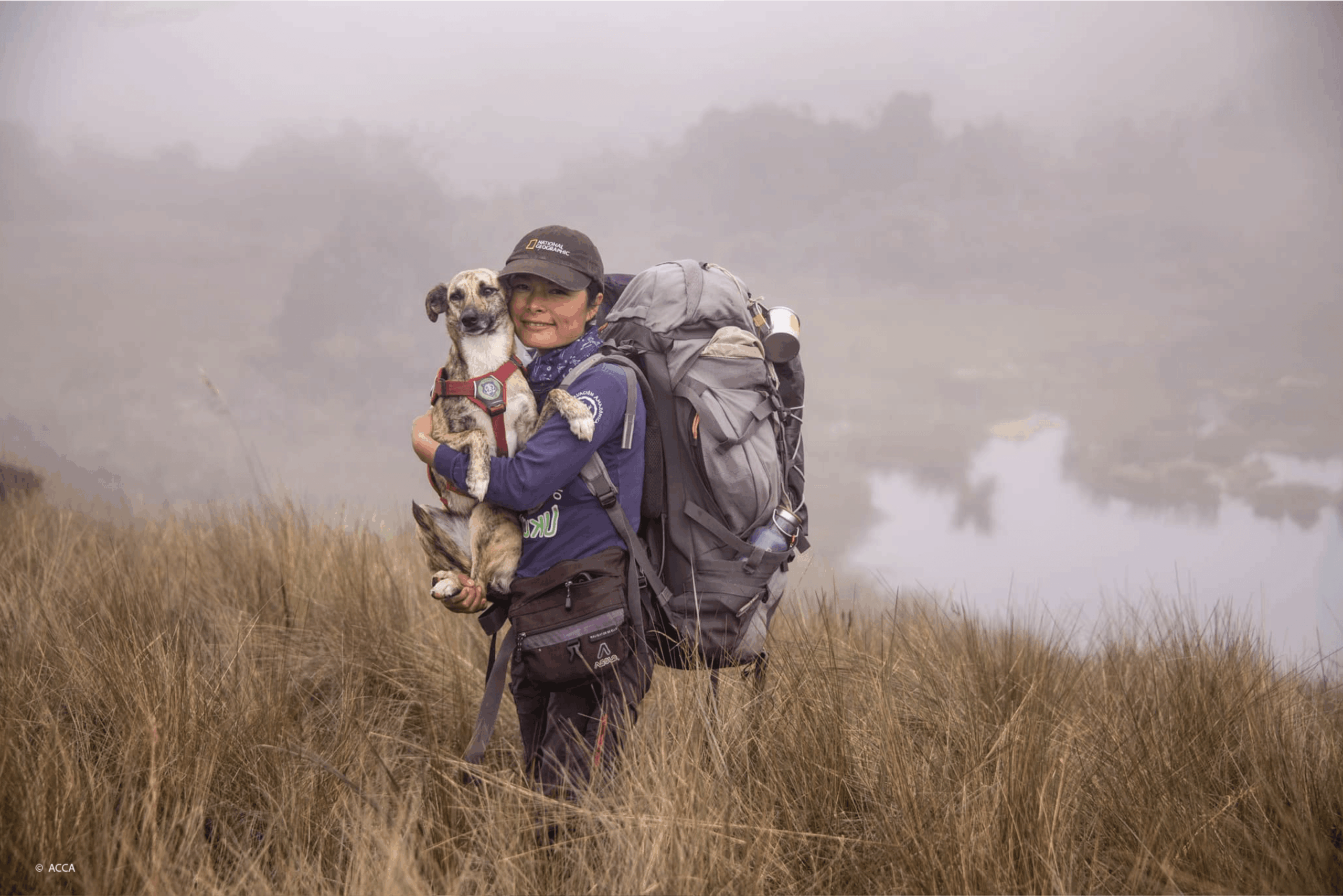
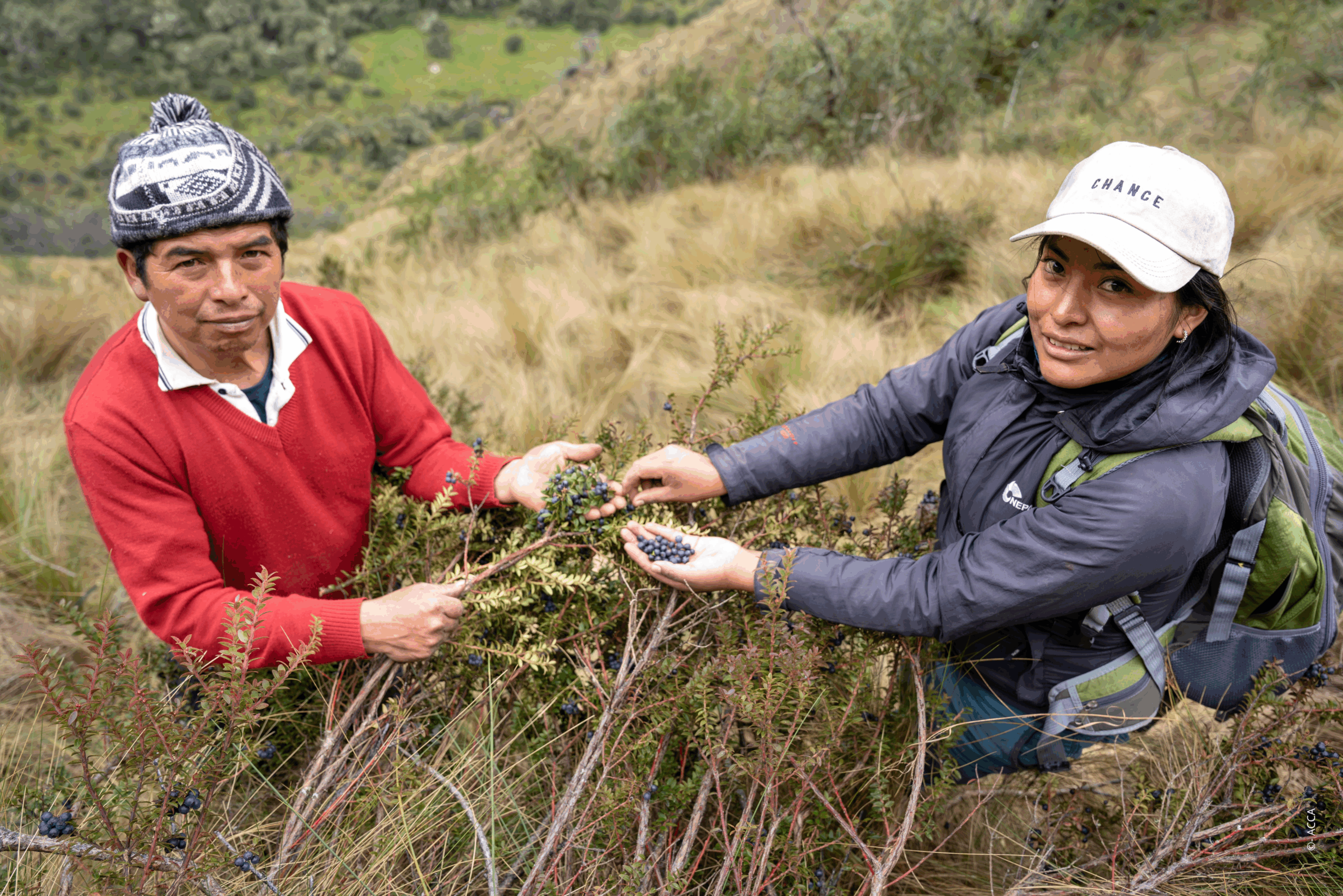
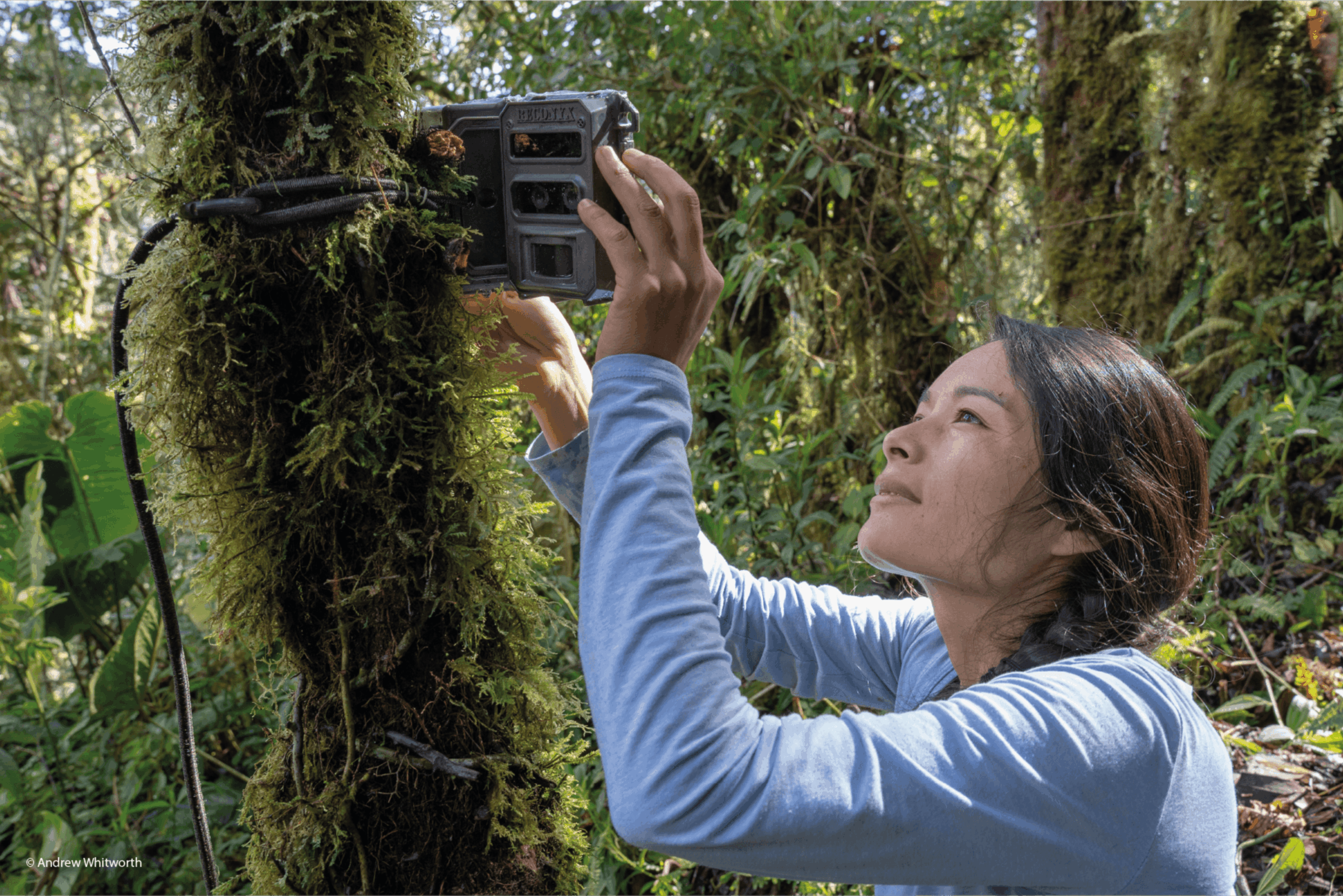
With support from Biome, Conservación Amazónica (ACCA) developed The Ambassador Conservation Program, whose mission is to foster human-wildlife coexistence, and to protect cloud forest ecosystems through scientific research, restoration initiatives, and community engagement.
See 2025 program highlights
2025 Highlights:
- Community-based reforestation work continued along the upper boundary of Manú National Park. The goal is to secure the long-term survival of Andean bears and to raise local awareness about the plight of cloud forest ecosystems in the face of climate change.
- The project strengthened its approach to environmental education, community leadership, and capacity building in its educational activities delivered at the Wayqecha Biological Station.
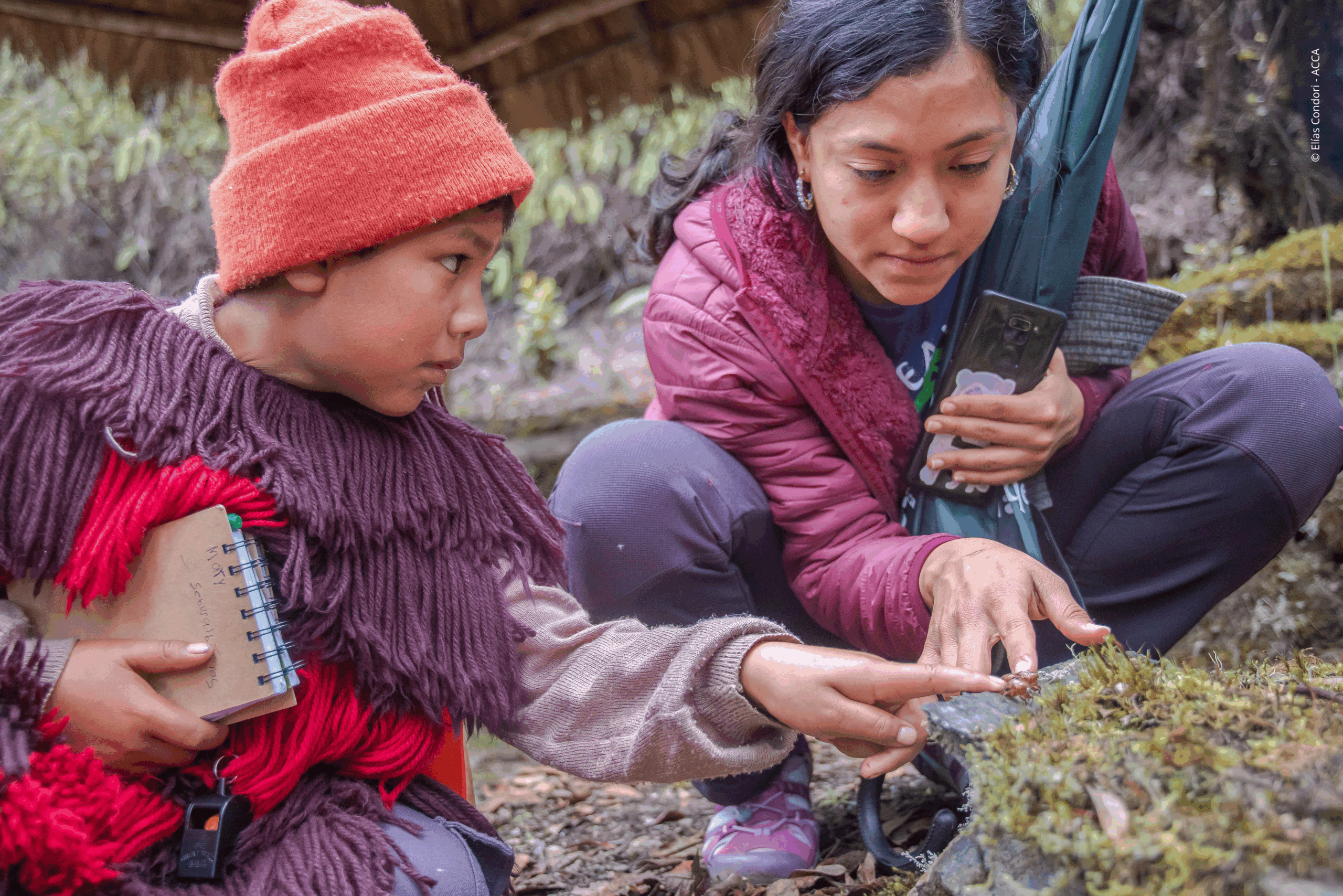
- As part of its Nature Kids Academy initiative, the project increased environmental education activities with local schools in the districts of Challabamba and Paucartambo. Overall, 16 local schools participated in structured visits at the Wayqecha Biological Station, which allowed project staff to interact with students, teachers, and family members. Visits ranged from one-day to immersive multi-day experiences with overnight stays at the station, providing enhanced experiential learning about cloud forest ecosystems and Andean bear conservation.
- The project welcomed eight participants to its Conservation Ambassadors Program, which is empowering local leaders from the community of Juan Velasco Alvarado. Participants were selected based on their sustained commitment to conservation-related activities. A three-day workshop at the Wayqecha Biological Station covered key themes of conservation, biodiversity, community organization, and community-based ecotourism.
Overall, 2025 was a year of project consolidation and growth, with increasing interest shown by schools, communities, and local actors at the provincial and regional levels. All of this reinforces the project’s relevance and its contribution to long-term conservation outcomes.
Location:
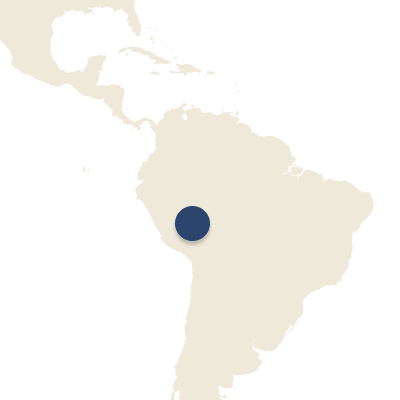
Challabamba & Kosñipata district, Paucartambo province, Cusco Department, Peru
Size of Area Involved:
9,119 ha
Project Field Partner:
Our Investment to Date:
Cost, 2022-2025: CA$170,886
Budget in 2026: CA$47,865
Gallery

Similar Projects
Deploying strategic security and technology to save rhinos
Find Out More
Mali Elephant Landscapes – Paysages des éléphants du Mali
Find Out More