The Layers of Conservation: Reflections from Mukutan
 November 5, 2025
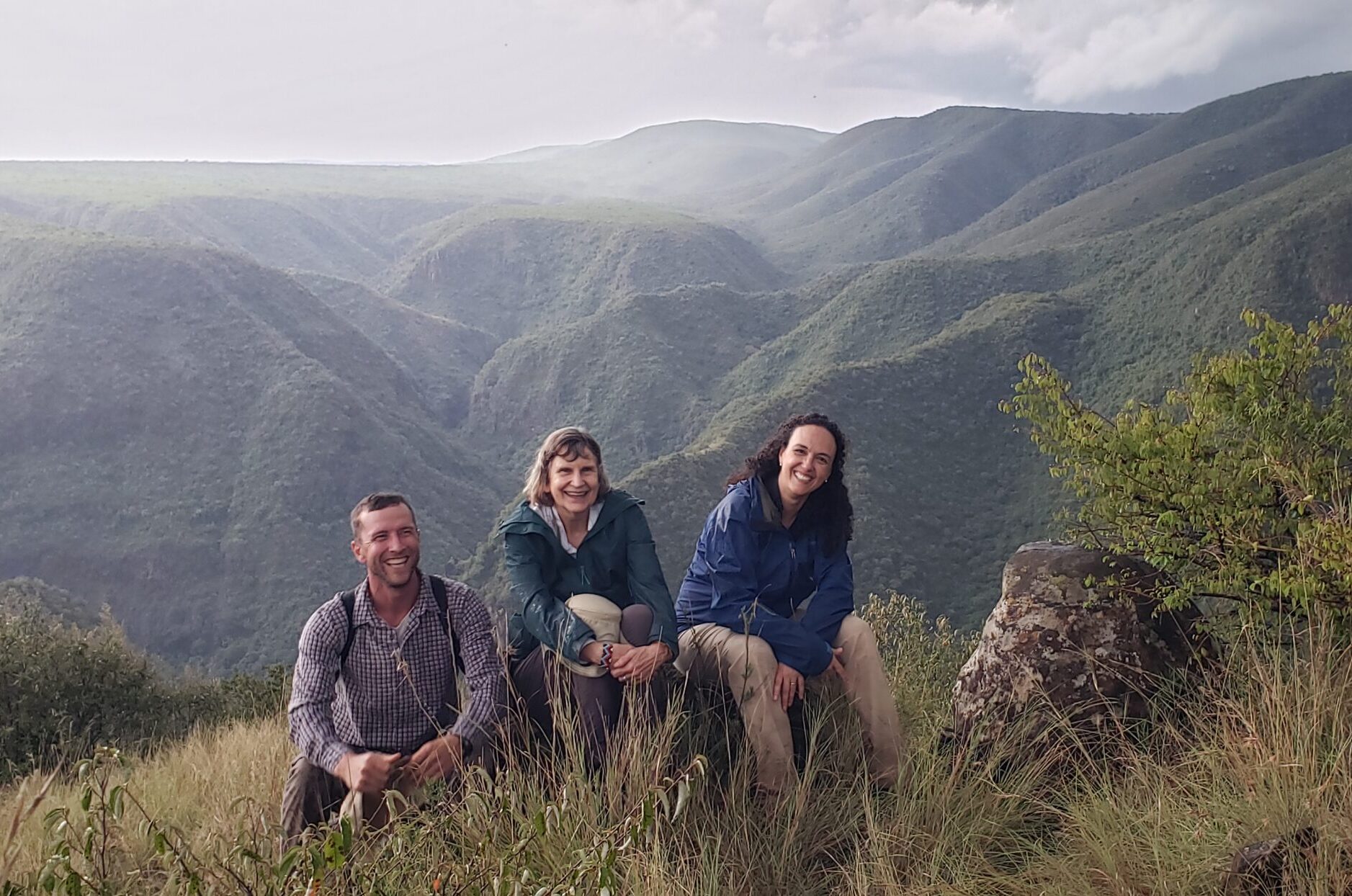
By Ana Mandri, Executive Director
I’ve been working in conservation for over twenty years, and whenever I say that, people tend to picture elephants, forests, and maybe the occasional camera-trap photo of a leopard. And yes, those are part of my world, but they only scratch the surface.
Conservation is not a single action. It’s a living network, like the mycelium beneath a forest, invisible but holding everything together. Each thread connects to another: peace, livelihoods, knowledge, courage, and love; all weaving a web that sustains life.
A few weeks ago, I had the privilege of visiting Mukutan Conservancy in Kenya, a place that embodies this idea completely. At Mukutan, conservation begins with peacebuilding, that’s the first layer, the root system from which all others grow. They even call one of their initiatives Mshipi (Swahili for “belt”), a program that binds together communities that once stood apart. It’s trust that protects this land.
And from that trust, everything else blooms: Avocado plantations, beehives, and even a cattle “boarding” program that deserves a blog post of its own. Conservation that doesn’t push people out but brings them in, offering livelihoods that depend on the land’s health. Because when nature thrives, so do the people who live with it.
Then there’s the creativity that fuels the whole system. At Mukutan, imagination is a conservation tool. There are financial models as organic as the ecosystem itself, from philanthropic partnerships to sustainable ventures like producing oil from the leleshwa plant and ecotourism that is as authentic as it gets. And when I say authentic, I mean the kind of moment that disconnects you from the noise of the world and reconnects you to the rhythm of the wild.
One day, we hiked through leopard territory, descending the Gorge that cuts through Mukutan’s heart. As we walked, the landscape transformed completely; the dry cliffs gave way to a lush, tropical forest. We made our way through palms and tall trees, crossing the river again and again until we finally reached a small waterfall, a five-meter jump into dark brown water where you couldn’t really see what was waiting below.
I stood there thinking about all the possible ways to get bruised, when Sveva and Nigel’s nine-year-old daughter Nashi, without a hint of doubt, took the plunge. She jumped first, slicing through the air, and resurfaced laughing, pointing exactly where we should land to avoid the rocks. And so, we jumped, all of us, trusting her completely.
That moment felt symbolic. After witnessing the work of the Mukutan team, trusting them was easy. Their courage, their daily commitment, their willingness to leap into uncertainty for the sake of life itself, it was contagious. That jump, that trust, felt like a small reflection of the larger leap they take every day.
Because conservation here is about connection. It’s about people like Thomas, whose botanical knowledge might save your life; Mike, who manages the operations of this vast (365-sq-km) landscape with the precision of an orchestra conductor; and the many rangers and K9 (sniffer dog) handlers who risk their lives to protect wildlife from the illegal incursions.
It’s also about the resilience of Nigel and Sveva, who, like heroic characters in a novel, face impossible odds, fall, get back up, and keep going. They know that success in conservation doesn’t mean never failing; it means never stopping.

If you ever want to understand what conservation truly is, go to Mukutan. Walk its hills, feel its silence, listen to the wind. You’ll realize that conservation isn’t a wall to hold back extinction; it’s a living web, a system of roots and threads and hearts intertwined, holding up life, quietly, beautifully.
And when you leave, you’ll carry a piece of that web with you. You might not see it, but it’s there, like mycelium under the soil, connecting us all.