Goal:
Advance the conservation of the Critically Endangered Grauer’s gorilla and other threatened species in the eastern Congo Basin

Conservation Value:
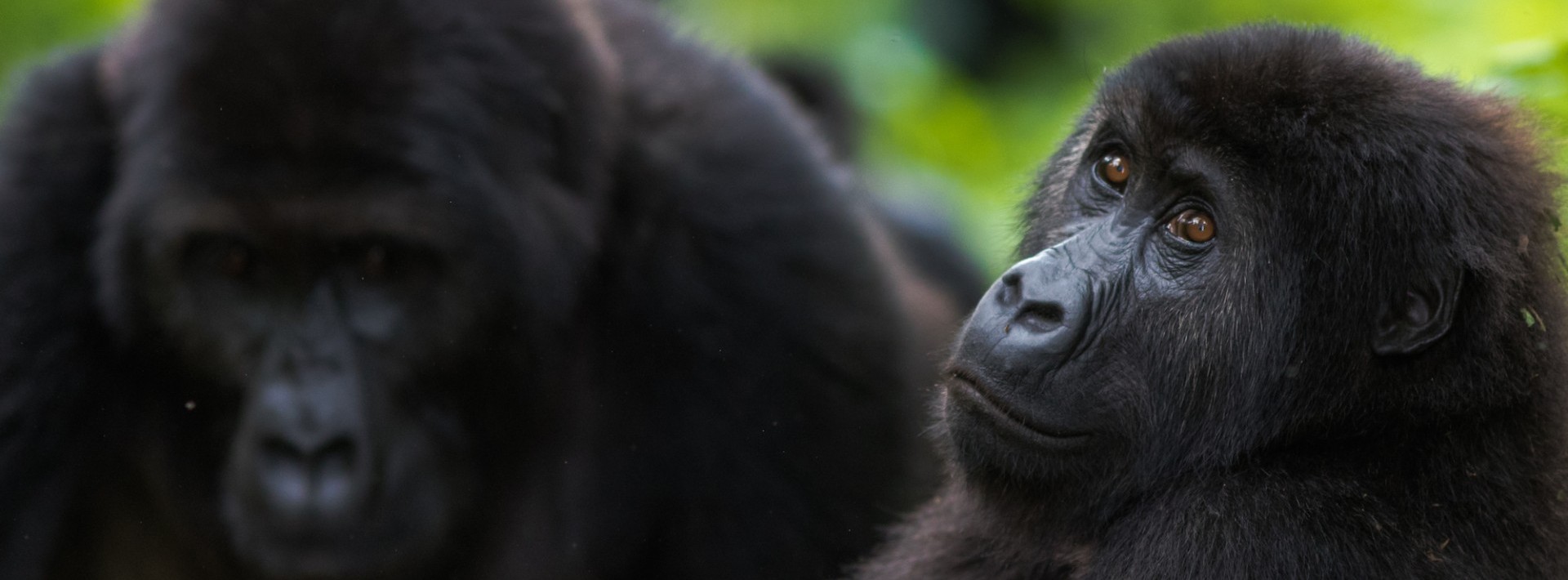
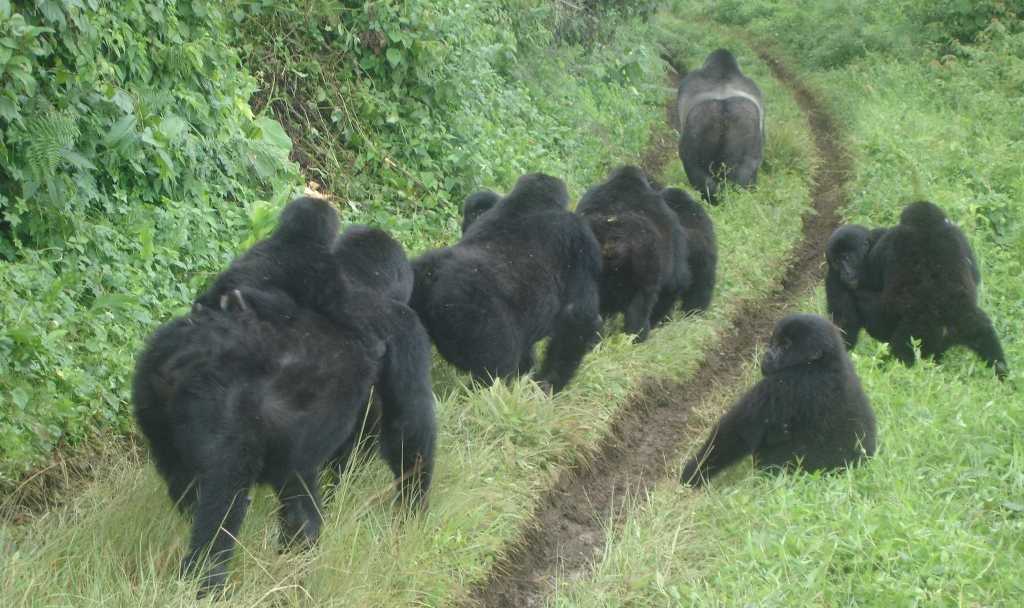
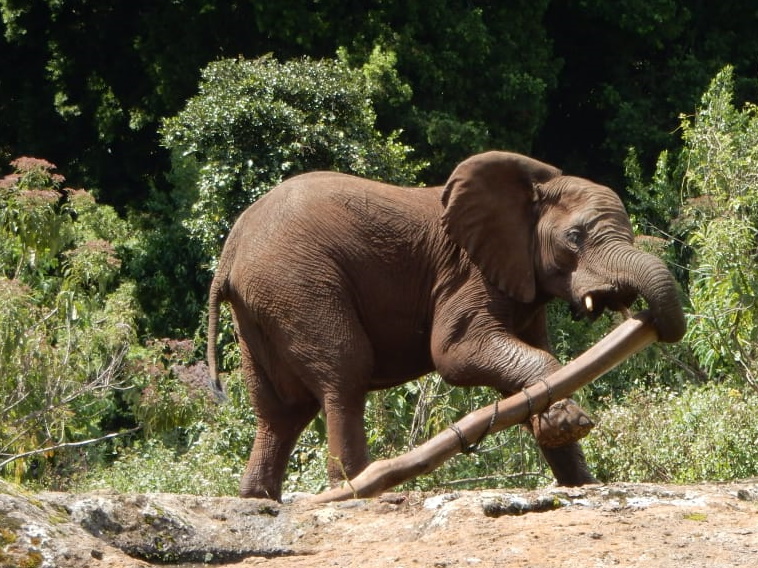
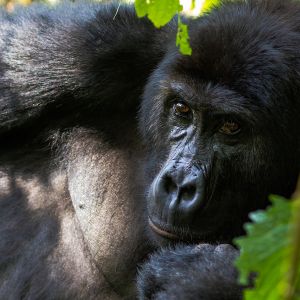
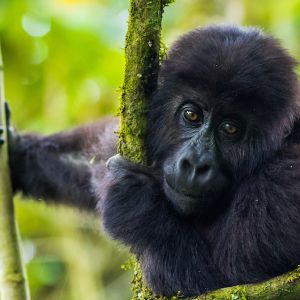
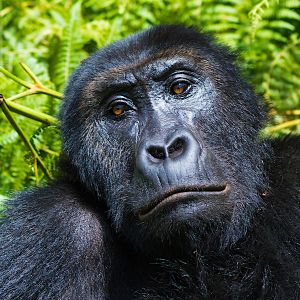
Grauer’s gorilla (Gorilla beringei graueri), endemic to the Albertine Rift escarpment in eastern Democratic Republic of Congo, has suffered a rapid population decline (77%) between 1994 and the period of 2010-2015. The rich biodiversity of the area includes the Itombwe massif clawed frog (CR), Prigogine’s nightjar (EN), Prigogine’s greenbul (EN), chimpanzee (EN), Congo bay-owl (EN), Itombwe golden frog (EN), yellow-crested helmet-shrike (VU), and African forest elephants (VU).
Threats:
Widespread insecurity and poaching for bushmeat, particularly around mining camps, have led to increasing fragmentation of populations and the reduction of numbers of Grauer’s gorilla. Mining (for precious metals) is the main driver of armed conflict in the region and stimulates human migration, wildlife trafficking, illegal logging for charcoal, colonization of forested areas, bushmeat hunting, and the construction of temporary roads in the forests. The extreme poverty in the region and the communities’ reliance on slash-and-burn agriculture are also drivers of great ape habitat degradation and fragmentation. All this led to the decline of the Grauer’s gorilla population from an estimated 16,900 individuals in the mid-1990s to fewer than 3,800 individuals in the period 2010-2015.
However, more recent surveys conducted by the Wildlife Conservation Society and the Congolese Wildlife Authority show an 18% increase in Grauer’s gorilla numbers in the high-altitude sector of Tshivanga in Kahuzi-Biega National Park resulting from conservation efforts by Strong Roots and other NGOs along with increased presence of the Congolese Wildlife Authority. This gives us hope.
Actions & Results:
We are empowering local communities and indigenous peoples to manage and protect their traditional lands. This is shoring up a ~6,000-km² biological corridor connecting two national parks: Kahuzi-Biega and Itombwe in the eastern Democratic Republic of Congo. Our partner Strong Roots has worked to establish officially designated Forestry Concessions for Local Communities (CFCLs).
The first phase of the project consisted of securing 25 CFCLs (601,438 ha), of which 23 CFCLs (561,578 ha) have been granted titles of legal recognition and two CFCLs (39,860ha) are still awaiting their titles.
In 2025, eastern DRC was beset by unusual instability and insecurity with the invasion of the Rwanda-backed rebel group of M23. Much of the area where Strong Roots operates was not affected, although toward the end of 2025, advances by M23 rebels led to relocation of Strong Roots personnel, who were able to return to Bukavu in mid-December.
Other 2025 highlights:
- Training on community forestry was carried out with 3,762 community members (local authorities, guardians of customs, local leaders and other community members) including 889 women and 149 indigenous Batwa.
- The project assisted the development of the management plans for CFCLs as well as the overarching Corridor Management and Conservation Plan.
- Support to small-holder farmers included the provision of improved seeds and training in agroecology techniques, forest governance and management.
Location:
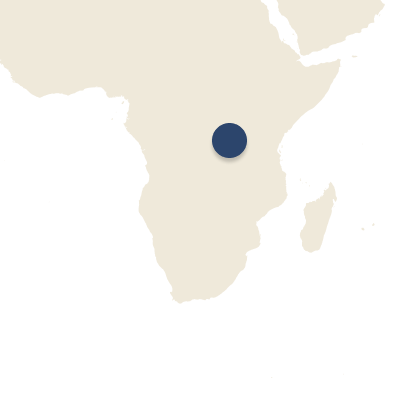
South-Kivu Province, eastern Democratic Republic of the Congo (DRC)
Size of Area Involved:
6,000 km²
Project Field Partner:
Our Investment to Date:
Cost (2020-2025): CA$1,223,904
Budget in 2026: CA$56,800
Gallery


Video

Similar Projects
Deploying strategic security and technology to save rhinos
Find Out More
Mali Elephant Landscapes – Paysages des éléphants du Mali
Find Out More