New research suggests Mount Elgon’s cave-mining elephants may also use plants medicinally.
 October 2, 2026
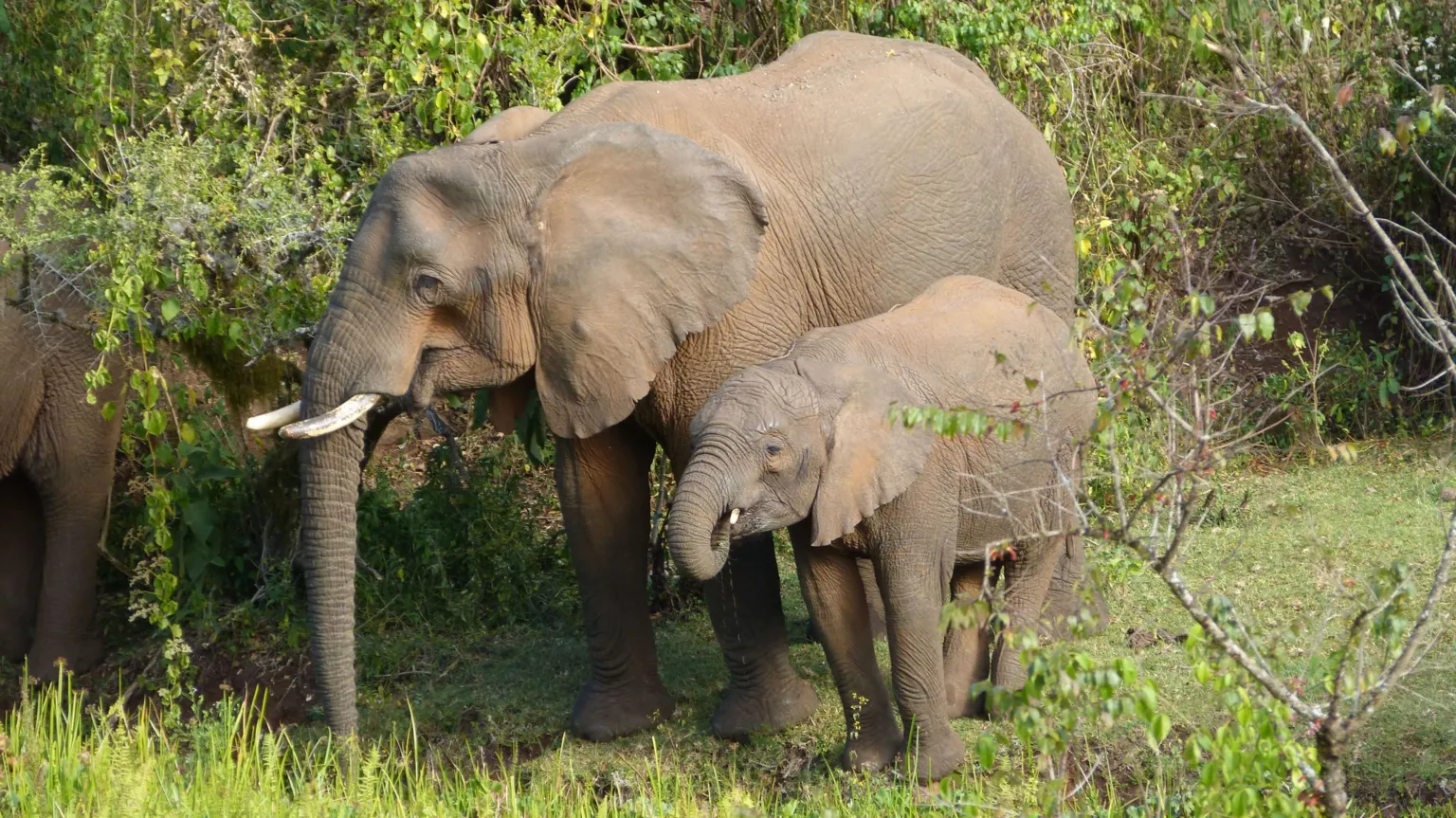
An incredible discovery was made at Mount Elgon, Kenya.
Mount Elgon’s elephants are already known for one of the most unusual behaviours in the elephant world by travelling deep into caves and using their tusks to mine rocks for their salts.
Now, new research suggests their relationship with their mountainous habitat may be even more complex.
A study published in Scientific Reports has documented evidence that Mount Elgon’s elephants may use particular plants when they are unwell, and that even mothers may provide plant material to their calves. The findings offer new clues about how these remarkable elephants interact with the natural resources around them. It also highlights the importance of those who monitor them and have been traditional stewards of the land for years.
A forest of potential medicines
The research was built around the knowledge of eight Sabaot experts from Mount Elgon, including wildlife scouts, community guides and village elders. All have extensive experience living and working alongside the mountain’s elephants.
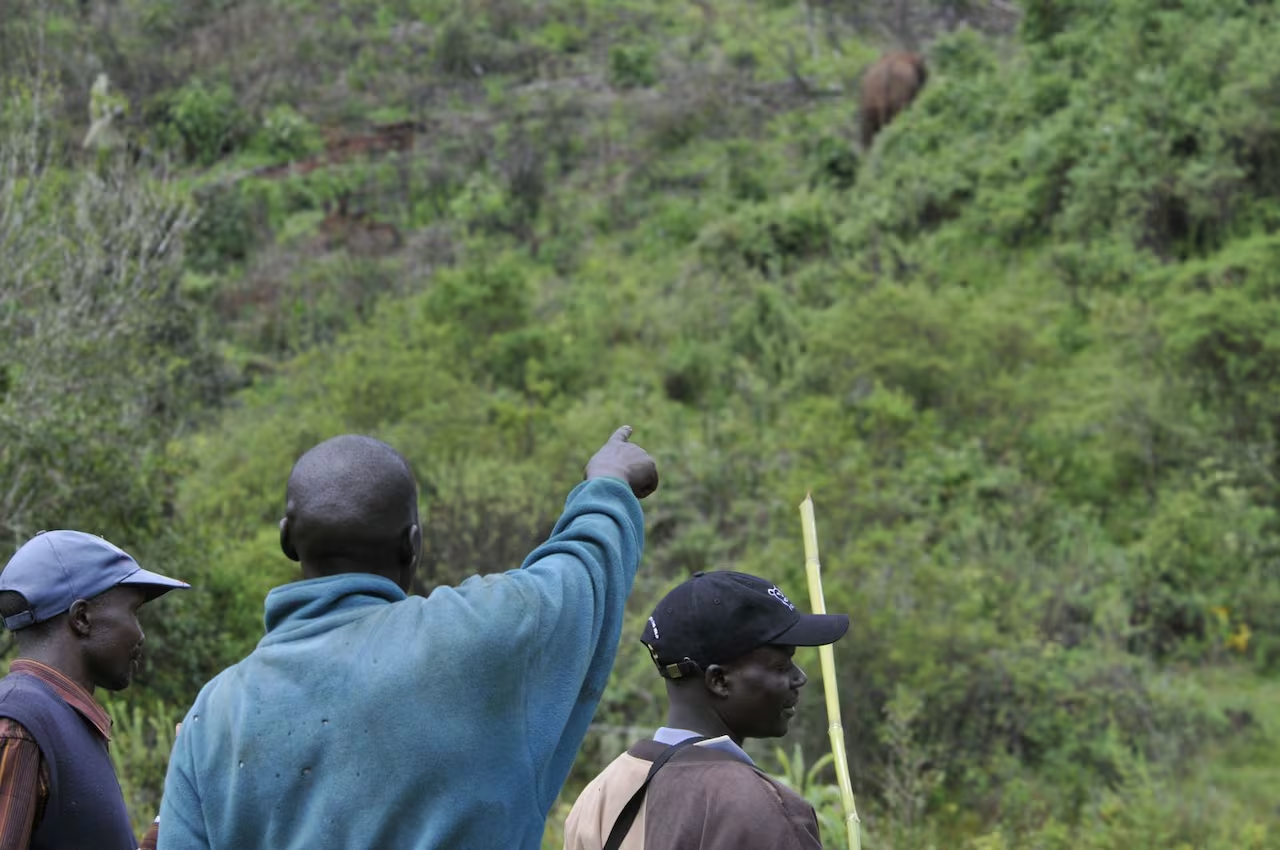
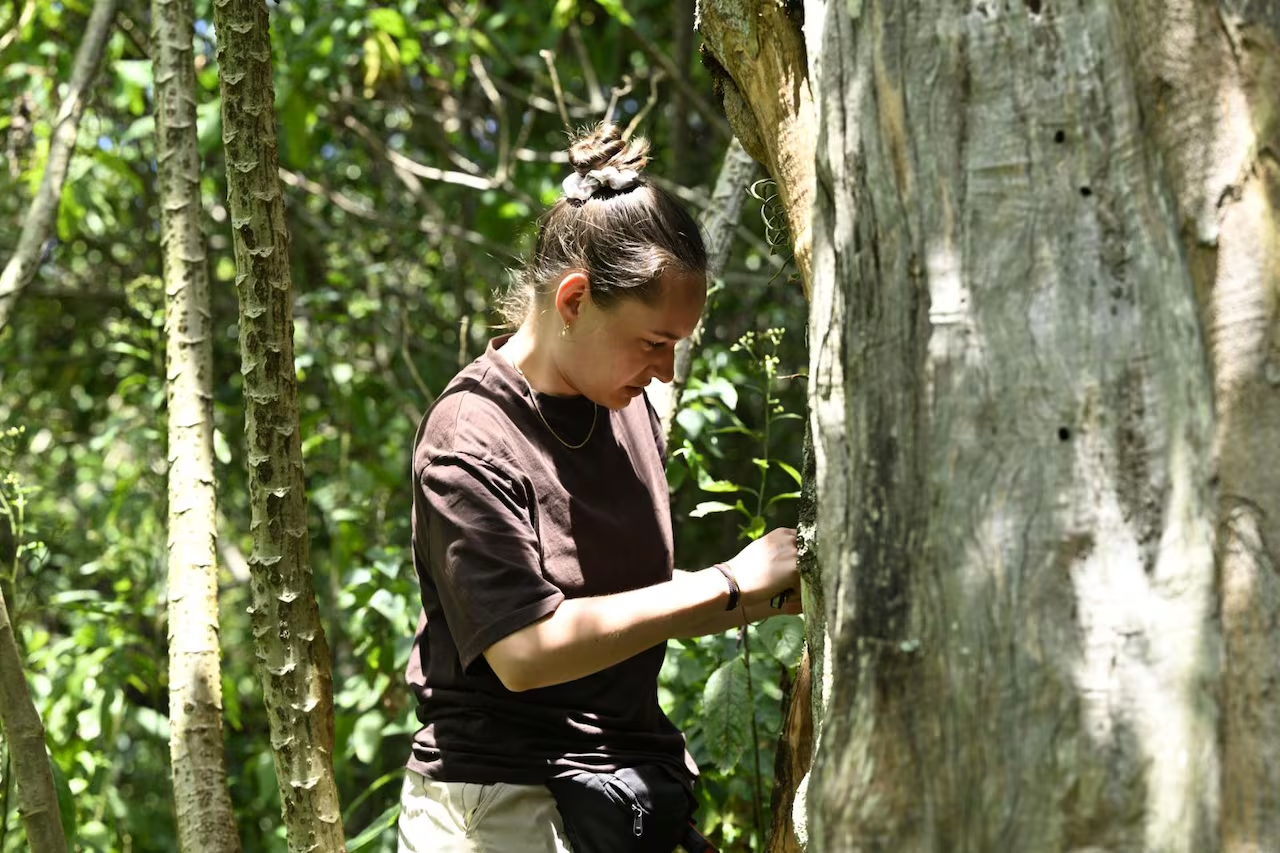
Together, they identified 39 natural resources reported to be consumed by elephants, including 35 plant species and four types of soil, minerals or clay.
The overlap with traditional human medicine was significant. Of the 35 plant species identified, 34 were recognized by the experts as having traditional medicinal uses for local people. Experts perceived 25 as having a medicinal function for elephants.
Eight plants provided the strongest behavioural evidence of possible medicinal use. In these cases, local experts linked a plant to a specific perceived therapeutic purpose in a sick or vulnerable elephant, or described mothers providing plant material to their offspring.
There are also intriguing parallels with existing scientific research. Of the 10 plants most frequently cited by the local experts, nine have previously been reported in scientific literature as having pharmacological activity.
The findings do not prove that elephants intentionally self-medicate, or that consuming these plants produces a therapeutic effect. Instead, the researchers describe the behaviour as putative self-medication. It will require further investigation.
Future research will look more closely at how elephants select particular plants, whether those plants have relevant biological properties, and whether knowledge of their use is learned and passed between elephants.
Knowledge rooted in Mount Elgon
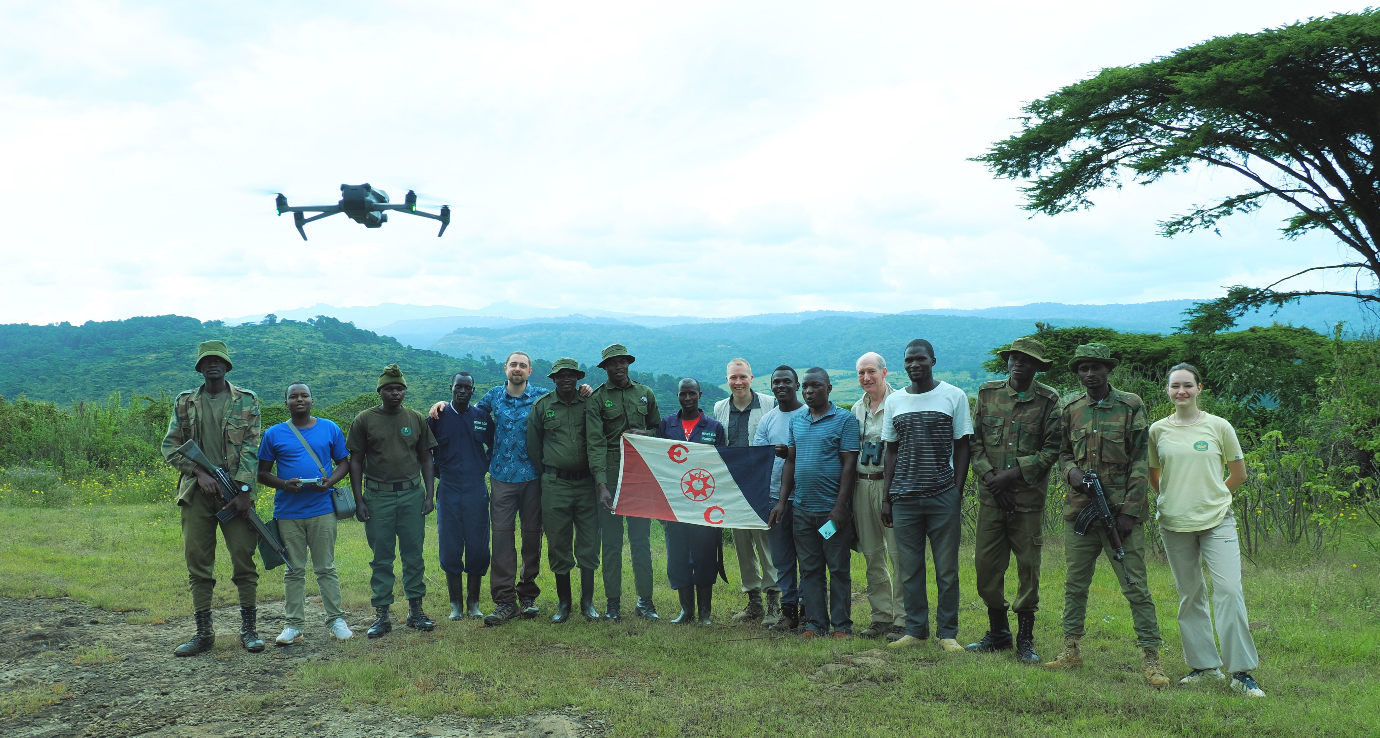
The observations that shaped the study came from people who have spent decades on Mount Elgon and know its elephants, plants and landscape intimately. Their knowledge provided researchers with a starting point for investigating behaviours that would be extremely difficult to identify through direct observation alone.
As one Sabaot expert involved in the study explained, local communities have been learning from the forest for generations. Bringing that knowledge together with scientific research can reveal new questions and new ways of understanding the ecosystem.
This intersection is particularly significant in Mount Elgon, where the relationship between people, wildlife and the forest is deeply connected. Understanding what elephants need from the landscape can help inform how that landscape is protected.
Protecting an extraordinary population
Mount Elgon’s elephants are a small and elusive population living in the high-altitude forests of an ancient volcanic mountain on the Kenya-Uganda border. They face pressures including habitat loss and fragmentation, poaching and human-elephant conflict.
The Mount Elgon Elephant Project, delivered on the ground by the East African Wild Life Society in partnership with the Mount Elgon Foundation and local communities, is working to better understand and protect this distinctive population. Field teams use patrols, camera traps, satellite tracking and long-term observation to monitor elephants and investigate their movements and behaviour, while also supporting approaches that help people and elephants coexist.
Biome Conservation has supported this field project since 2017.
The more we learn about these relationships, the clearer it becomes that protecting elephants also means protecting the complex ecosystems they depend upon.