Open letter to Prime Minister Carney on insect population declines
 January 28, 2026
 By: Anne Lambert, Art Borkent, Alex Smith, Clement Kent
January 29, 2026
The Right Honourable Mark Carney
Office of the Prime Minister
Dear Prime Minister,
Declining insect populations: why this matters
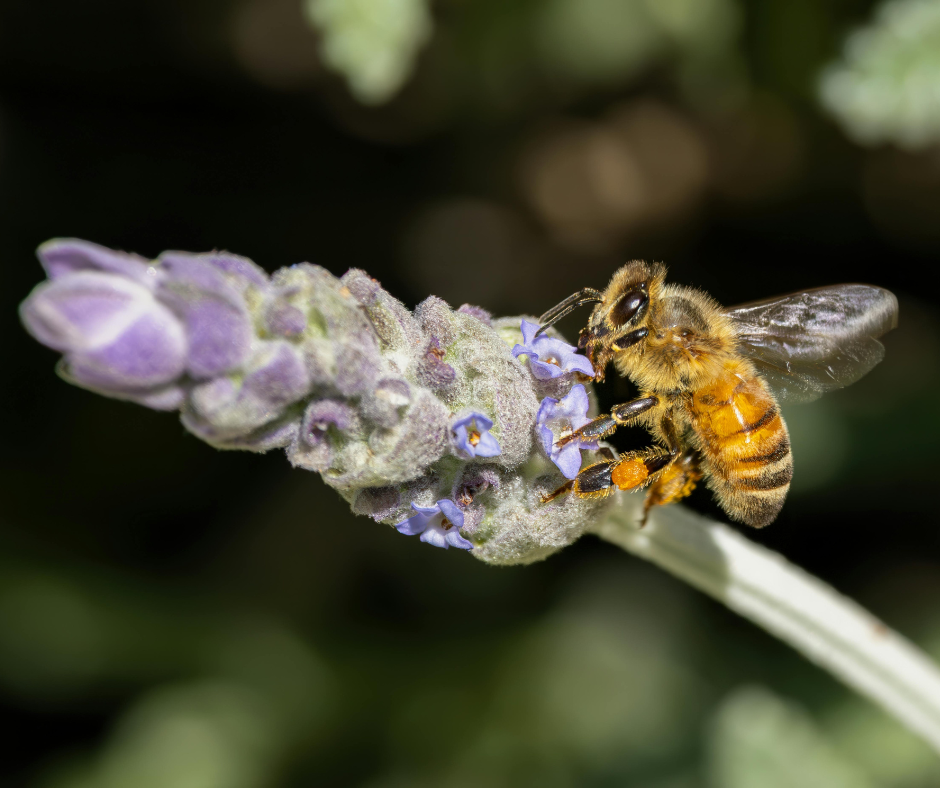
The one million insect species on Earth – the known ones (we have not talked with the millions of undescribed species) – are sending us a message. They point out, with respect, that there are an estimated 1.4 billion insects for every person on Earth, and the total weight of all the insects is about 70 times more than all the people. We believe we should listen.
They want us to know that insect populations are plummeting at an alarming rate. Alarming because of the vital ecological role insects play in the food web, nutrient cycling, and pollination.
While many of us take little notice of insects in our daily life, they are “the unsung heroes of ecosystems” and “the little things that run the world”. Insects are a primary source of food for most vertebrates, including many mammals, most birds (at least as nestlings) and nearly all reptiles and amphibians. Insects break down dead plant and animal remains and recycle the nutrients back into the soil. Around 80% of wild plant species rely on insects for pollination, as do 75% of global food crops. They form the backbone of every terrestrial ecosystem.
Insect populations are declining dramatically. Anyone over sixty will be familiar with the so-called “windshield phenomenon”, by which drivers no longer need to clean their windshields of copious insect remains. As part of a 2022 survey, 629 experts in terrestrial and freshwater invertebrates estimated that on average around 30% of these species (in which insects predominate) are threatened with extinction. A 2019 survey of 24 entomologists working on six continents found that on a scale of 0 to 10, with 10 being the worst, all rated the severity of insect decline in the range of 8–10.
Extinctions are occurring. When an insect species disappears, it is gone forever. Each occupies a unique ecological niche, and its loss diminishes biodiversity and ecosystem resilience for all future generations.
Why are they declining? Insects are sensitive to changes in the climate and so rising global temperatures and changes in precipitation patterns are having an impact. Other significant factors are contributing to the decline: Pesticides, habitat loss and fragmentation due to forestry and agriculture, and invasive species and pathogens all feature in this drama. Insecticides are subject to long-range dispersal and have an insidious impact far beyond where they are applied. Water pollution harms aquatic insect larvae that are vital to healthy freshwater ecosystems. Widespread, worsening light pollution draws in vast numbers of insects, eliminating their capacity to reproduce and disperse and causing mortality.
What is needed?
- Mitigating climate change is important for countering insect decline and ecosystem collapse. Cost effective climate measures include nature-based solutions, advancing energy efficiency, and climate-smart building codes as Canada enters a new housing boom. These measures all yield economic benefits. Climate diplomacy is also important.
- Reducing pesticide use through state-of-the-art integrated pest management, tighter restrictions on pesticide use (and elimination of cosmetic pesticide use), and restoring and conserving natural habitats.
- Re-integrating a diversity of natural elements into agricultural lands benefits both crop yields and nature. Key habitats for insects include native vegetation, hilltops, creek embankments, and all aquatic habitats.
- Increased support for nature conservation domestically and internationally.
- Federal government support for taxonomic research: most insect species are not yet known to science, even in Canada. It is vital to retain scientific expertise within government. We are very concerned to learn of staff cuts at the Canadian National Collection of Insects (Agriculture and Agri-Food Canada). This is a Canadian institution that has led the world as a natural heritage collection and as the professional home for world leaders in insect taxonomy (particularly of species important for agricultural biocontrol and forestry).
- Further ideas are presented in an appendix to this letter, and the federal government will want to examine both Germany’s comprehensive Action Programme for Insect Protection, started in 2018, the Report to the UK House of Lords on Taxonomic Expertise from 2008, and the report, “Canadian Taxonomy: Exploring Biodiversity, Creating Opportunity”, by the Council of Canadian Academies in 2010.
Prime Minister, the little things that run our world have been delivering their message to us for a while now — it is time for us to listen. However, to listen to the vast diversity of insect species, we need to be able to identify them – the ecological drama we are witnessing requires we know the players. Fortunately, Canada is a world leader in the ecology, evolution, behaviour and systematics of insects — indeed, Agriculture and Agri-Food Canada’s Canadian National Collection of Insects, Arachnids, and Nematodes (CNC) is one of the best in the world! Canada and Canadians can lead these efforts, to our great credit and to the world’s benefit. Reducing Canadian taxonomic expertise will have direct and indirect impacts on the Government’s ability to deliver across a wide range of policy goals and obligations. It harms our capacity to listen.
Sincerely,
Anne Lambert, Founding Director, Biome Conservation/International Conservation Fund of Canada
Dr. Art Borkent, Salmon Arm, BC, Research Associate of the American Museum of Natural History
Dr. M. Alex Smith, Department of Integrative Biology, University of Guelph
Dr. Clement Kent, Adjunct Prof. Biology, York University
Appendix: What else can the government of Canada do?
Here are some suggestions, some of which involve building the needed capacity to understand and address insect population declines.
-
- Promote training and job opportunities for insect taxonomists. These are scientists who do the critical work of identifying and describing species, and their numbers are rapidly dwindling. Many groups of insects are now “orphaned” with no expert left worldwide, let alone in Canada.
- Parataxonomist training:
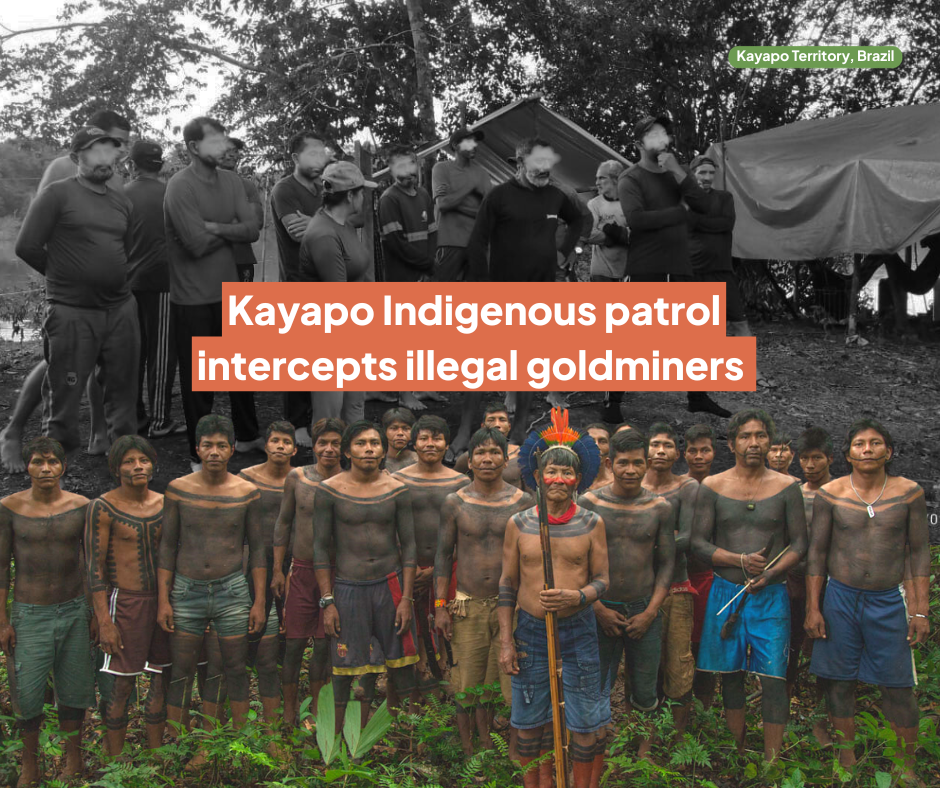
- Many in our Indigenous communities have intimate knowledge of their natural environment. Working with professional taxonomists, some could be trained as “parataxonomists” to sample and study their local insect fauna, with opportunities to become fully accredited taxonomists.
- Training parataxonomists has proven effective in lower income countries and is worthy of consideration for support from Canada.
- Eliminate barriers to foundational research. Presently the Canadian National Collection of Insects, Arachnids and Nematodes and its staff of scientists and technicians are housed, through an accident of history, with the Research Branch of Agriculture Canada in Ottawa. They are repeatedly hampered by the restricted mandates and perspectives of agricultural needs. As a result, much of the Canadian fauna is poorly sampled. British Columbia, for instance, is far behind southern Ontario. Moving the “home” of this national treasure to Museums Canada would make sense if well financed and with the right leadership and adequate staffing.
- Support under-resourced protected areas in lower-income countries, especially in the tropics. The Legacy Landscapes Fund is one good avenue for this.
- Finance: Biodiversity institutions in developing countries can be supported through international finance. A model for this existed in Costa Rica for 31 years: With support from the World Bank, Canada and a few other countries, the Instituto de Biodiversidad employed over 30 parataxonomists and built a collection of over 2 million specimens of insects and plants from all over Costa Rica.
- Suggestion for an innovative finance mechanism: Tropical countries receive many tourists who go there to be immersed in tropical nature. A $3-$5 airport tax could generate revenue to support a national biodiversity institute as well as staffing of public protected areas. We believe most tourists would be happy to contribute to saving biodiversity. Canada could promote this among fellow members of the Organization of American States.
- Programs for Indigenous people to receive training and work in restoration of our forests and waters, especially in areas impacted by development or fire.
- Funding exchange visits of Canadian First Nations with best-in-class examples of local people conserving and restoring nature. This should be run as a low-cost, high return exchange program aimed at improving Canadian projects and practices.