


Goal:
Improve the population status of at-risk migratory shorebirds and resident waterbirds by increasing protection of important shorebird sites of the Maullin coastal wetlands

Conservation Value:
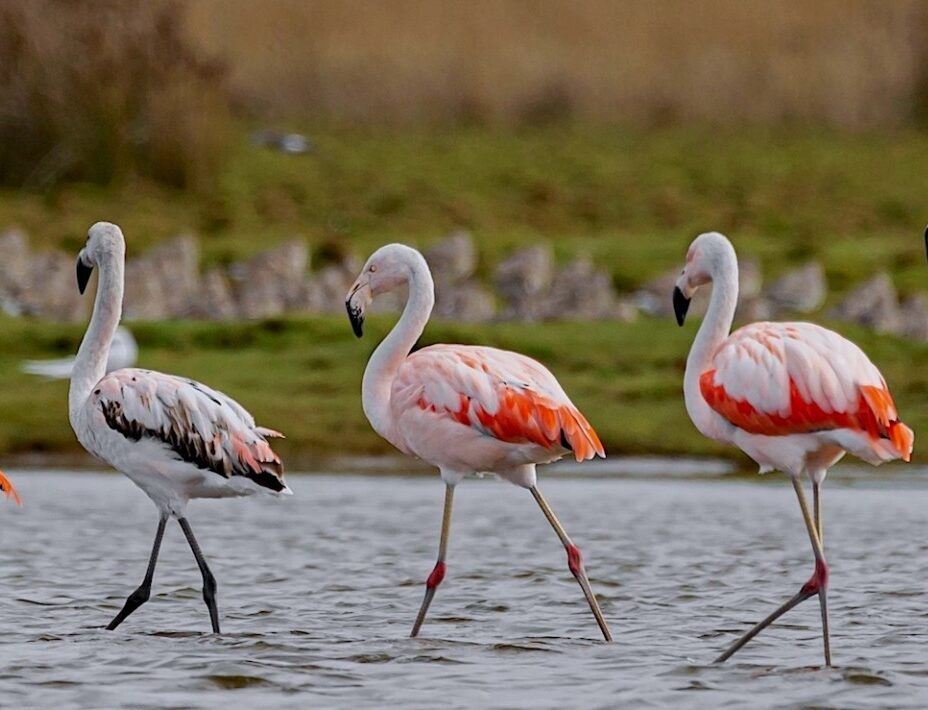
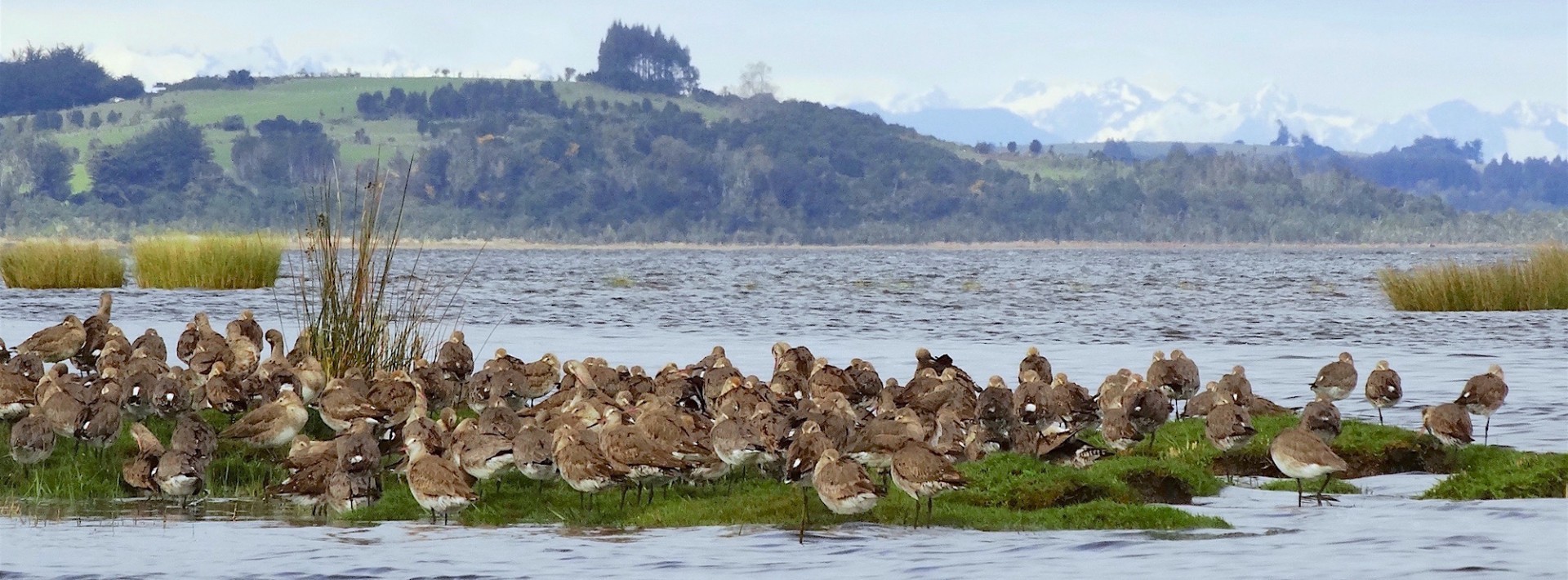
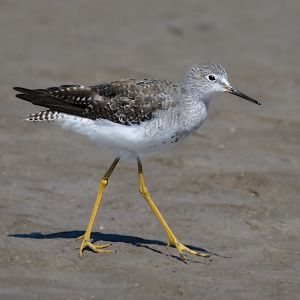
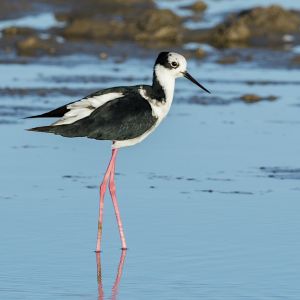
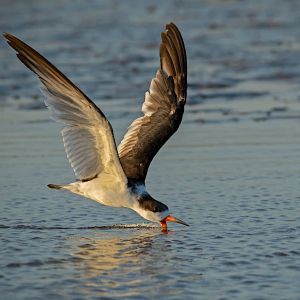
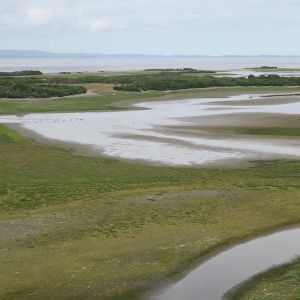
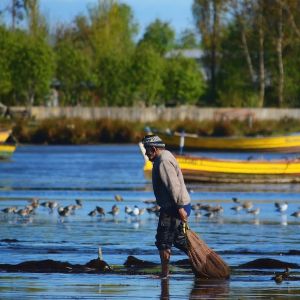
This project expanded to establish a landscape-scale habitat corridor that extends from the headwaters of the Maullin River at Llanquihue Lake, down the river’s entire length to the rich coastal wetlands and offshore island archipelago. These sites host half of the Pacific coast population of Hudsonian Godwits as well as thousands of Whimbrels, Sanderling, Yellowlegs, and other migratory shorebird species. Nearly 200 species of migratory and resident species of shorebirds and waterbirds have been recorded there.
Threats:
Over half of the identified overwintering sites in South America are currently experiencing habitat loss and degradation (Senner, 2008). In Chile, Chiloé Island and surrounding areas are increasingly affected by expansion of aquaculture, shoreline development, and disturbance from domestic dogs. Together, these pressures are contributing to a decline in the quality and integrity of intertidal mudflat habitats, which are critical for migratory shorebirds like the Hudsonian Godwit. Enter Biome partner Conservación Marina, who saw an opportunity to develop bird-oriented tourism and protect the sites for thousands of coastal birds. Threats include unregulated recreational activities, uncontrolled sheep and cattle, and roaming or feral dogs. Other potentical threats include coastal development projects, such as the siting of wind turbines.
Actions & Results:
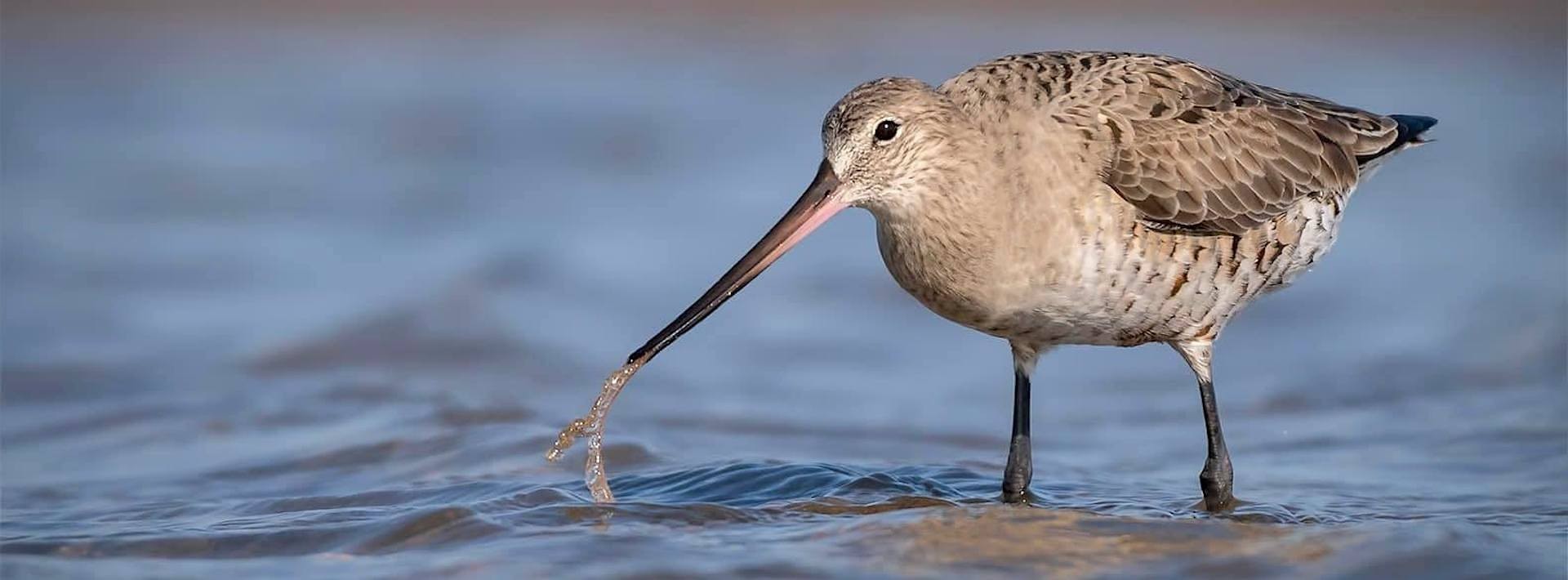
This project benefits one of the world’s “long haul” migrants—the Hudsonian godwit, which is capable of single flights of 10,000 km.
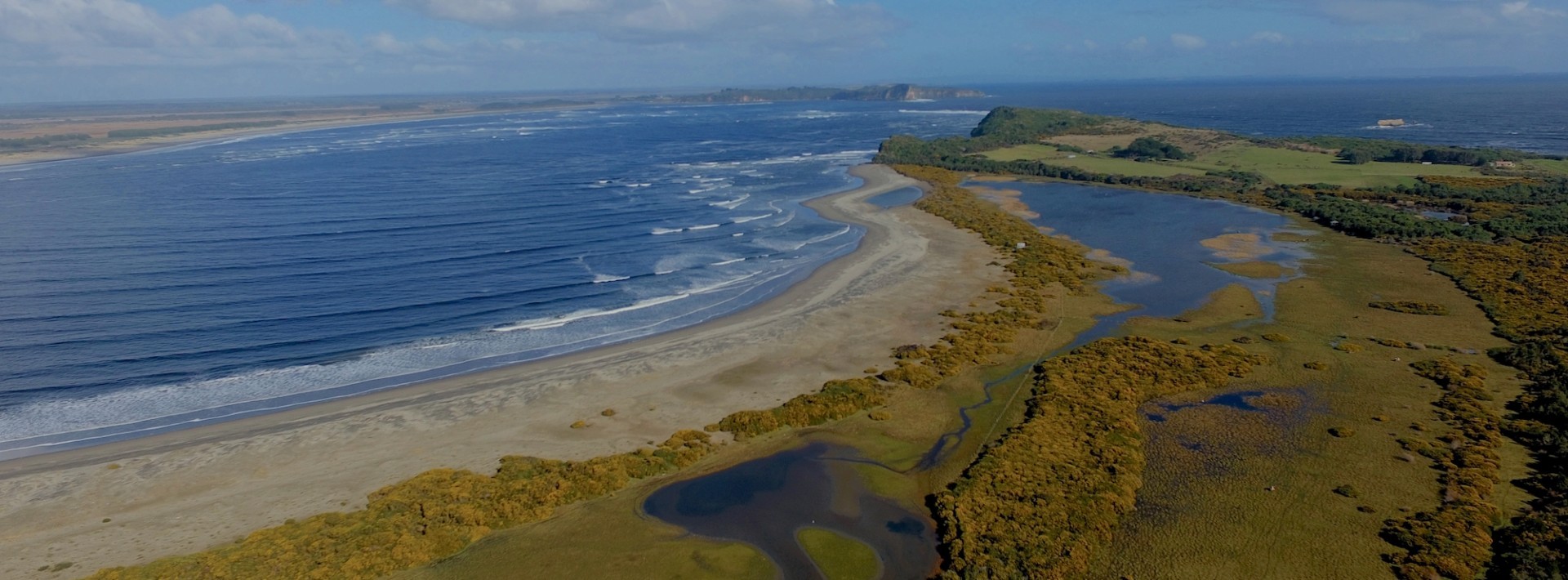
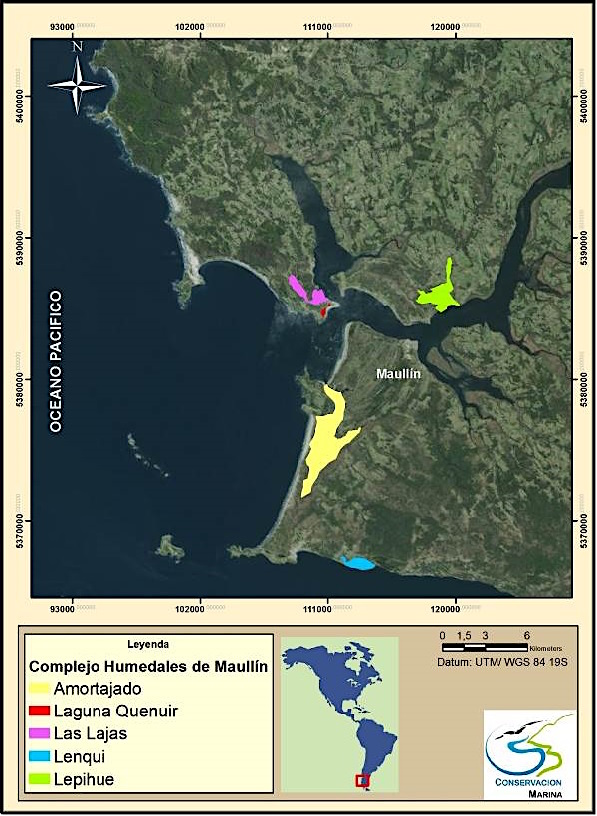
Our partnership with Fundación Conservación Marina began in 2015 with the establishment of five small, protected wetlands (918 ha) at the mouth of the Maullín River. It has since expanded down the coast to Chiloé and upriver to its mountain origins for a total area of nearly 10,000 ha.
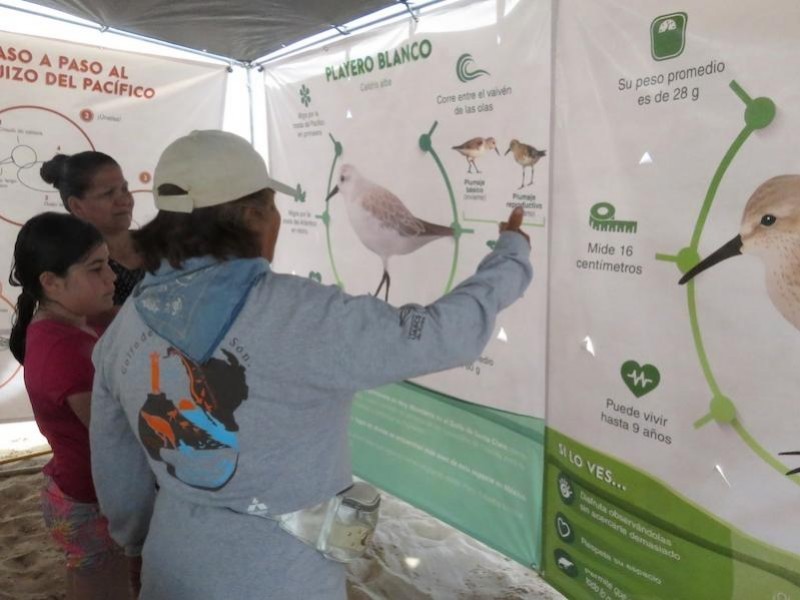
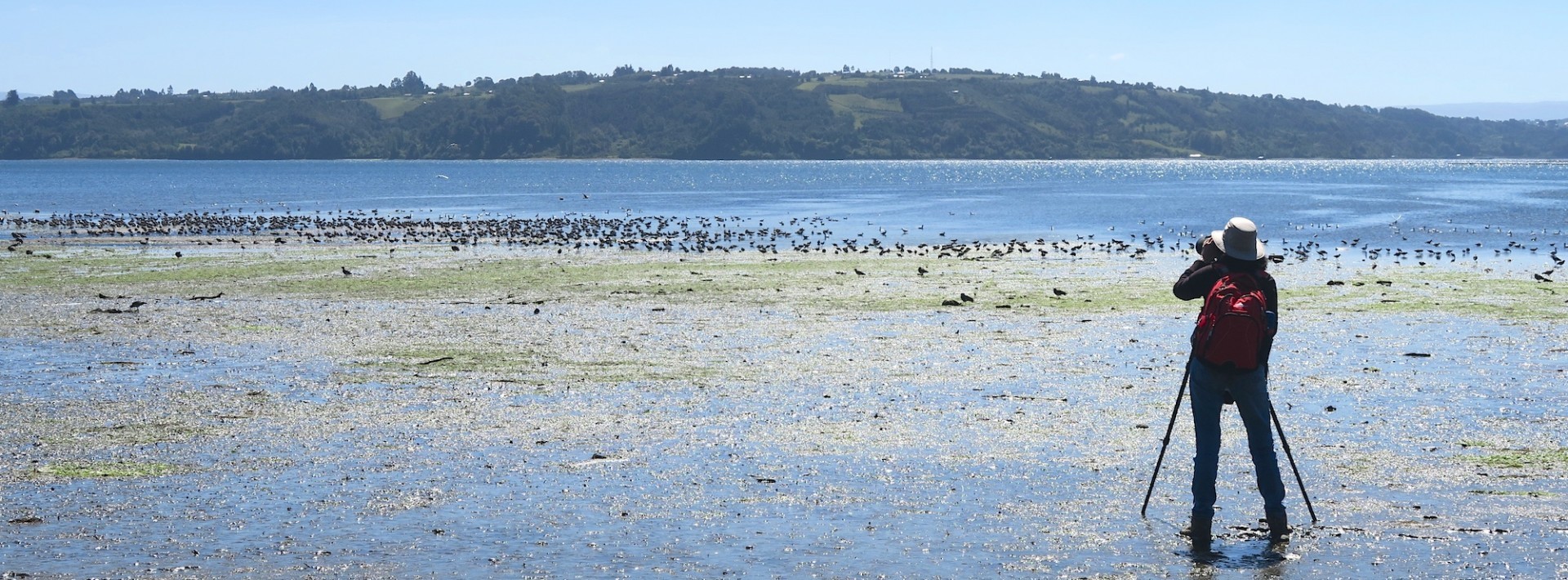
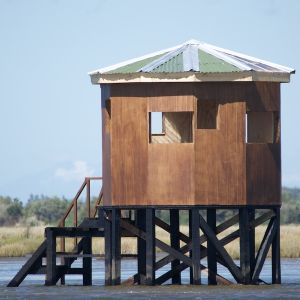
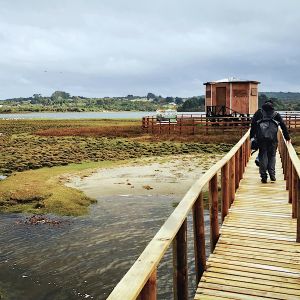
The project evolved into a year-round program that works with a growing number of local communities, including the local Mapuche Indigenous people, and all levels of government. Key to its success has been the strong focus on birding tourism, which has resulted in mapped birding trails, public bird-watching blinds, books and posters, and a daily presence.
A Reserve Network is now protected by Conservacion Marina, the city of Maullin, and the federal government of Chile. This has been done with broad local support from communities, government and the indigenous people in the region. A management plan was developed through a participatory process and laid out a five-year action plan.
Read more
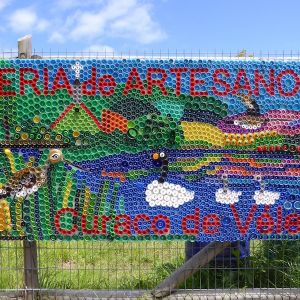
Ecotourism capacity has been developed to help attract Chilean and foreign tourists. Local ecotourism providers received training and the project developed a bird guide, a birding trail, public bird observation blinds, and interpretive panels and posters. Tourism provides financial benefits to local communities, which helps to ensure the long-term protection of coastal ecosystems. Another achievement is the designation of the Maullin wetlands as a Western Hemisphere Shorebird Reserve Network Site of Regional Importance.
In 2025, the project laid foundations for the long-term conservation of the Rio Maullín Wetlands Nature Sanctuary by strengthening local governance and institutional coordination. Sustained engagement with the Municipality of Maullín and regional environmental authorities fostered management planning and collaboration among neighbouring municipalities. These governance outcomes create the conditions necessary for effective protection and management of the sanctuary and are expected to deliver lasting conservation benefits beyond the project’s duration.
Conservation outcomes for priority species and habitats. Infrastructure improvements enhanced breeding conditions for the American Oystercatcher and strengthened a key resting habitat for the Hudsonian Godwit in Bahía Curaco de Vélez.
Local biodiversity stewardship was strengthened through capacity-building initiatives delivered by the Wetlands Conservation Management Course. Participants (n=15) increased their knowledge, skills, and engagement in local conservation efforts, helping to build a stronger network of informed and active wetland stewards. Together, these achievements have improved local capacity to support the long-term conservation and sustainable management of wetland ecosystems.
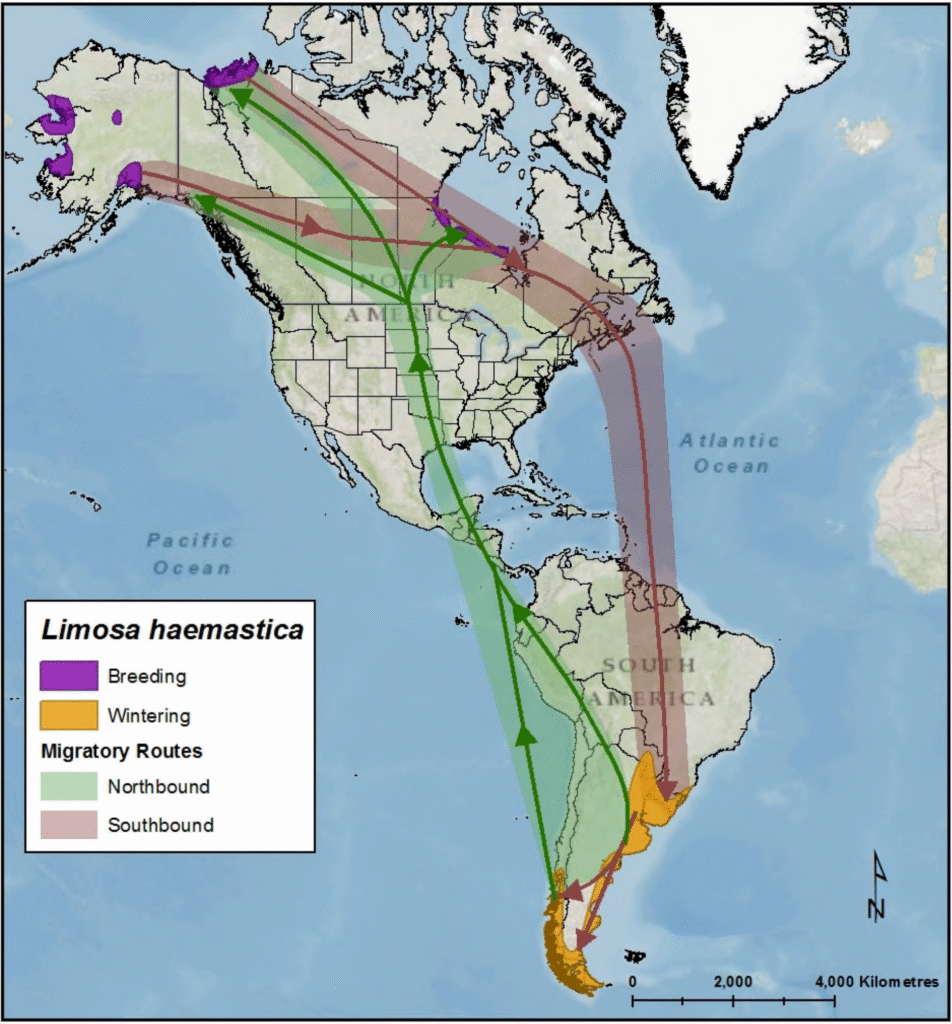
migratory map from COSEWIC. 2019. COSEWIC assessment and status report on the Hudsonian Godwit Limosa haemastica in Canada. Committee on the Status of Endangered Wildlife in Canada. Ottawa
Location:
Maullín, Los Lagos Region, southern Chile

Size of Area Involved:
The original reserve network of 918 hectares has been enlarged to 8,000 ha with a federal-level of protection as a Natural Sanctuary.
Project Field Partner:
Our Investment to Date:
Cost (2015-2025): CA$905,105
Budget in 2026: CA$106,500
Gallery


In More Depth...
Project Partners and Personnel
Our partner is the Chilean conservation organization Conservación Marina with project leader Claudio Delgado. This project received matching funds from the Neotropical Migratory Bird Conservation Act program of the US Fish & Wildlife Service in 2015-2016.
Background
The Maullín wetlands represent one of the largest coastal wetlands in continental Chile and are recognized as an Important Bird Area by BirdLife International for their importance as a feeding and resting area for Nearctic shorebird species of concern, notably Hudsonian Godwit, and for other waterbirds. Hudsonian Godwits are long-distance migrants that travel between northern Canada southernmost regions of South America (a 32,000 km round trip) annually. This bird shows high fidelity to stopover habitats during migration, such as freshwater marshes, saline lakes, flooded fields, shallow ponds, coastal wetlands and mudflats during its hemispheric migration.
This project aims to stem the loss and degradation of habitat from unregulated recreational activities (and from the lesser problem of livestock trampling) through the creation of a municipal nature reserve system. Furthermore, it assists development of birding tourism, which will enhance local support for and appreciation of the reserve network.
Map
Map of Maullin Coastal Wetlands Reserve Network

Similar Projects
Southeast Asia: Protecting the Spoon-billed Sandpiper
Find Out More